Understanding Zone Heating
Imagine it’s a chilly winter evening. You settle down in your living room, wrapped in a blanket, while the rest of the house feels like an icebox. This scenario highlights a common issue in many homes: uneven heating. Zone heating addresses this problem by allowing you to heat specific areas of your home independently. This method not only enhances comfort but also improves energy efficiency.
Zone heating is a strategy that involves dividing your home into different areas or “zones,” each with its own heating controls. Instead of heating the entire house, you focus on the rooms you use the most. This approach can be particularly beneficial for larger homes or spaces that are not frequently occupied.

YITAHOME
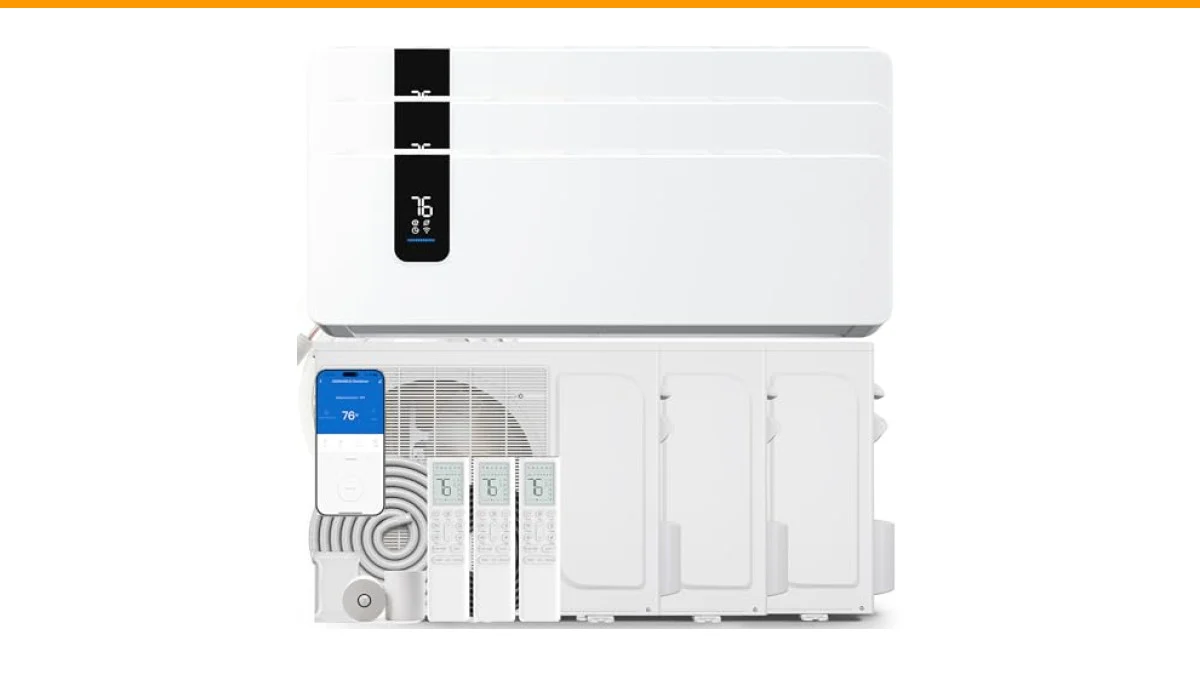
YITAHOME 36000 BTU Mini Split AC/Heating System 20 SEER2 12000 BTU*3 Set | WiFi Enabled 115V Multi Zone Ductless Air Conditioner with 3 Outdoor Units(Not Single),Enable Different Modes Simultaneously
- Multi‑Room Integrated Solution: The package consists of three indoor air handlers and three outdoor condenser. Compared with other…
- Mobile Intelligent Control: Multi zone mini split systems equipped with smart features like remote control, WiFi connectivity, thi…
- Quiet & Soothing: Suitable for both home and business use. It takes up minimal indoor space and can be mounted on the wall. It ope…
Throughout this article, you will gain a comprehensive understanding of zone heating, its benefits, and various systems available to implement it in your home. We’ll also explore a specific product, the YITAHOME 36000 BTU Mini Split AC/Heating System, which provides an effective solution for zone heating.
The YITAHOME Mini Split System offers a multi-room integrated solution, enabling you to control the temperature of each room individually. This flexibility allows for simultaneous cooling, heating, and dehumidification, catering to your specific comfort needs.
Benefits of Zone Heating
Zone heating provides several advantages over traditional heating systems:
- Improved Energy Efficiency: Heating only the rooms you use reduces energy consumption, leading to lower utility bills.
- Enhanced Comfort: You can maintain different temperatures in different areas, catering to personal preferences.
- Reduced Wear on Heating Systems: By not overworking your heating system, you can extend its lifespan.
- Environmental Impact: Using less energy contributes to a smaller carbon footprint.
Types of Zone Heating Systems
Several systems are available for implementing zone heating in your home:
- Hydronic Heating: This system uses hot water circulated through pipes to heat specific areas.
- Ductless Mini Split Systems: These systems, like the YITAHOME Mini Split, consist of indoor and outdoor units that provide heating and cooling for individual rooms.
- Smart Thermostats: These devices allow for precise control over the heating in different zones by programming temperature settings based on your schedule.
- Radiant Floor Heating: This method involves installing heating elements beneath the floor, providing even warmth without the need for bulky radiators.
Comparing Zone Heating Options
| Heating System | Energy Source | Control | Installation Cost |
|---|---|---|---|
| Hydronic Heating | Gas/Electricity | Manual/Thermostat | Moderate to High |
| Ductless Mini Split | Electricity | Remote/WiFi | Moderate |
| Smart Thermostats | Electricity | Smartphone | Low |
| Radiant Floor Heating | Electricity/Hot Water | Manual/Thermostat | High |
Common Questions About Zone Heating
1. How does zone heating save energy?
Zone heating saves energy by allowing you to heat only the rooms you occupy, rather than the entire house. This targeted approach reduces the workload on your heating system, leading to lower energy bills.
2. Can I install zone heating in an existing home?
Yes, zone heating can be retrofitted into existing homes. Options like ductless mini splits or smart thermostats can often be added without extensive renovations.
3. How do I choose the right zone heating system?
Consider factors like the size of your home, your budget, and how much control you want. Ductless mini splits are great for flexibility, while smart thermostats can enhance existing systems.
4. Are there maintenance requirements for zone heating systems?
Maintenance varies by system. Ductless mini splits require occasional cleaning of filters, while hydronic systems may need annual check-ups to ensure efficiency.
5. What is the cost of installing a zone heating system?
Installation costs depend on the type of system. Ductless mini splits typically fall in the moderate range, while radiant floor heating can be on the higher end due to labor and materials.
Final Thoughts on Zone Heating
- Zone heating enhances comfort by providing control over specific areas of your home.
- It promotes energy efficiency, potentially lowering your monthly utility bills.
- A variety of systems are available, from ductless mini splits to smart thermostats.
- Consider your budget and home layout when selecting a zone heating solution.
- Regular maintenance is necessary to keep your system running efficiently.
- The YITAHOME Mini Split System is a versatile option for those looking to implement zone heating.
- Evaluate your needs to find the best solution for your home’s heating requirements.



