Imagine coming home after a long day, looking forward to a relaxing sauna session. You’ve got two options: a 120V plugin sauna or a 240V hardwired sauna. Both can be appealing, but how do they really stack up in terms of performance and heat-up time? This article will guide you through the critical differences, helping you choose the right sauna for your needs.
You’ll learn about the heating capabilities and time efficiency of both sauna types. The insights will help you make an informed decision based on your personal preferences and lifestyle. For those considering a 240V option, the VEVOR Sauna Heater offers rapid heating, perfect for larger sauna spaces.
VEVOR
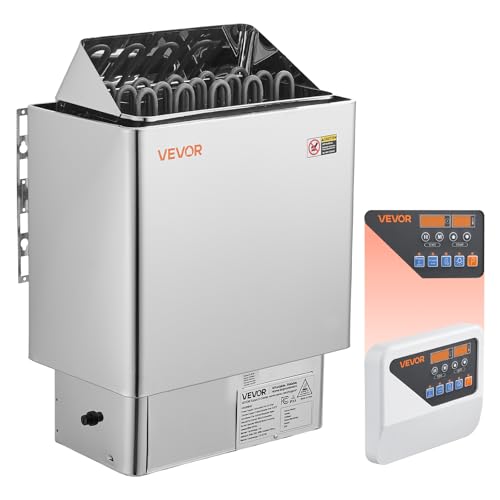
VEVOR Sauna Heater, 9KW 240V Electric Sauna Stove, Dry Steam Bath Saunas Stove with Pre-Drilled Bracket, Fit 317.8 to 459 CU.FT Saunas Rooms, Steam Bath Stoves for Home, Commercial, Leisure Venues
- Rapid Heat: This sauna stove operates at 240V, 9kW, ideal for 317.8 to 459 cu.ft / 9 to 13 m³ rooms. Note that 22 to 33 lbs/10 to…
- Durable Design: With a 304 stainless steel body, this hotel dry sauna offers high corrosion resistance in humid environments. Its…
- Convenient Control: Our electric sauna heater includes an external controller with a clear display and user-friendly interface. Ea…
Understanding Voltage: 120V vs 240V Saunas
The core difference between 120V plugin and 240V hardwired saunas lies in their electrical requirements and heating efficiency. A 120V sauna typically requires a standard household outlet, making it easy to install and relocate. However, this convenience comes with limitations in heating capacity and efficiency.
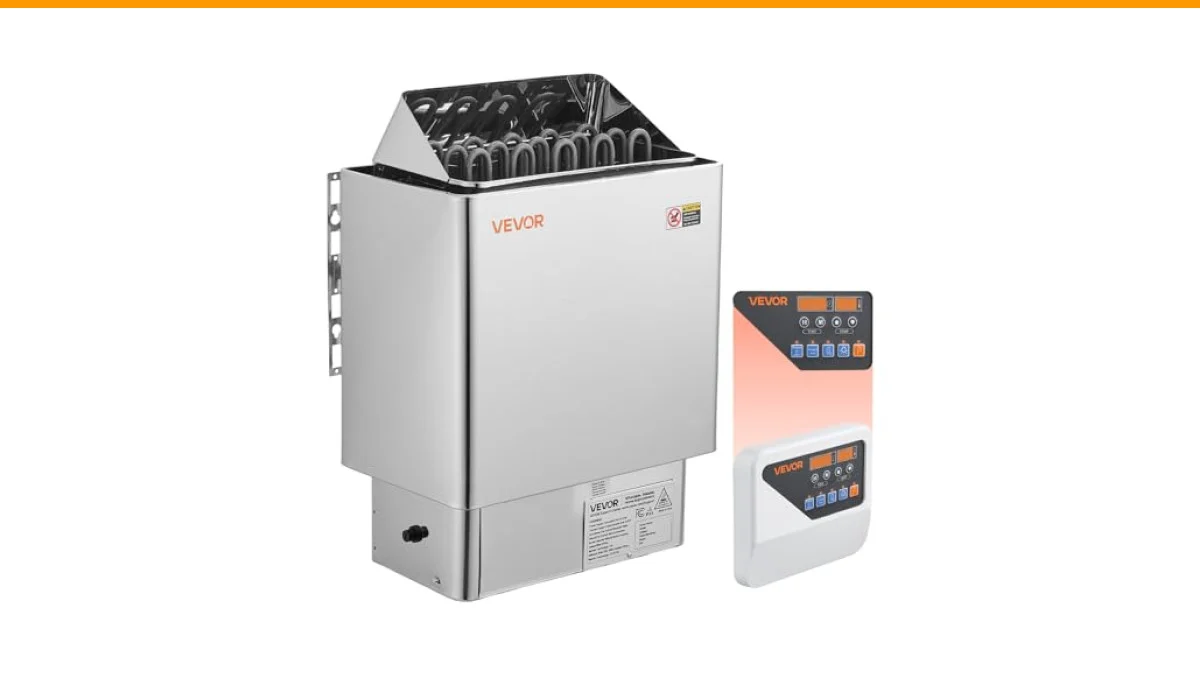
On the other hand, a 240V sauna needs a dedicated circuit, offering higher wattage options. This means faster heating times and the ability to accommodate larger sauna rooms. For example, a 240V system can effectively heat spaces up to 459 cubic feet, like the VEVOR Sauna Heater, which operates at 9kW.
Heat Up Time Comparison
Heat-up time is a critical factor for anyone eager to enjoy a sauna session without much delay. A 120V plugin sauna generally takes longer to reach the desired temperature, often ranging from 20 to 40 minutes. In contrast, a 240V hardwired sauna can heat up in as little as 10 to 20 minutes. This is largely due to the higher wattage and efficient design of the heating elements.
For instance, the VEVOR sauna heater can quickly distribute heat thanks to its 304 stainless steel body and large stone capacity. This ensures even heat distribution, making your sauna experience more pleasant.
Misconception: More Watts Equals Better Performance
Many people assume that higher wattage always means better sauna performance. However, it’s not just about wattage. While a 240V sauna can heat up faster, the effectiveness of the heat source also depends on the sauna’s insulation, design, and size. A well-insulated 120V sauna can still provide a satisfying experience, albeit at a slower pace.
Choosing between 120V and 240V should be based on your specific needs—size, usage frequency, and installation feasibility. If you want a sauna for occasional use or in a smaller space, a 120V unit might suffice. But for regular use or larger rooms, a 240V system is the better choice.
Installation Considerations
Installation varies significantly between the two types. A 120V sauna can be plugged into a standard outlet, which means you can set it up without professional help. This is ideal for renters or those who frequently move.
However, a 240V sauna requires professional installation and a dedicated circuit, which can increase initial costs and time commitment. Yet, once installed, it often provides a more robust and efficient heating experience. The VEVOR sauna heater, for instance, comes with a simple wall-mount design, ensuring it fits well in various spaces.
| Feature | 120V Plugin Sauna | 240V Hardwired Sauna |
|---|---|---|
| Installation | Easy, plug-and-play | Requires professional installation |
| Heat Up Time | 20-40 minutes | 10-20 minutes |
| Heating Capacity | Smaller rooms (up to 300 cu.ft) | Larger rooms (up to 459 cu.ft) |
| Power Source | Standard outlet | Dedicated circuit |
| Cost | Generally lower | Higher initial cost |
How long does a 240V sauna take to heat up?
A typical 240V sauna can heat up in as little as 10 to 20 minutes, depending on the size and insulation of the sauna.
Are 120V saunas less effective?
Not necessarily. While they take longer to heat up, a well-insulated 120V sauna can still provide an effective and enjoyable sauna experience.
Can you install a 240V sauna yourself?
It’s recommended to hire a professional for 240V sauna installation due to the electrical requirements and safety regulations.
What are the maintenance requirements for both types?
Both types require regular cleaning and maintenance. However, the 240V models may require more attention due to their complexity.
What’s the best sauna for home use?
The best sauna depends on your needs. For larger spaces and frequent use, a 240V sauna like the VEVOR model is ideal. For occasional use in a smaller area, a 120V sauna may suffice.
Final Thoughts
- 120V saunas are easier to install and relocate.
- 240V saunas heat up quicker, ideal for larger spaces.
- Both options can provide a satisfying sauna experience.
- Consider your space and usage frequency when choosing.
- Professional installation is recommended for 240V models.
- The VEVOR sauna heater is a solid choice for efficiency and durability.
- Check local electrical codes before installation.


