When the temperature drops, many people scramble to find the most effective way to heat their homes. A 5000 BTU heater output can be a practical solution for smaller spaces, making chilly nights much more bearable. Understanding how this output translates into actual heating capabilities is essential for making informed decisions about heating options.
This article will help you grasp the significance of a 5000 BTU heater output, how it compares to other options, and what features to consider when selecting a heater. By the end, you’ll know how to choose the right heater for your needs and how to maximize its efficiency.

DR. INFRARED HEATER
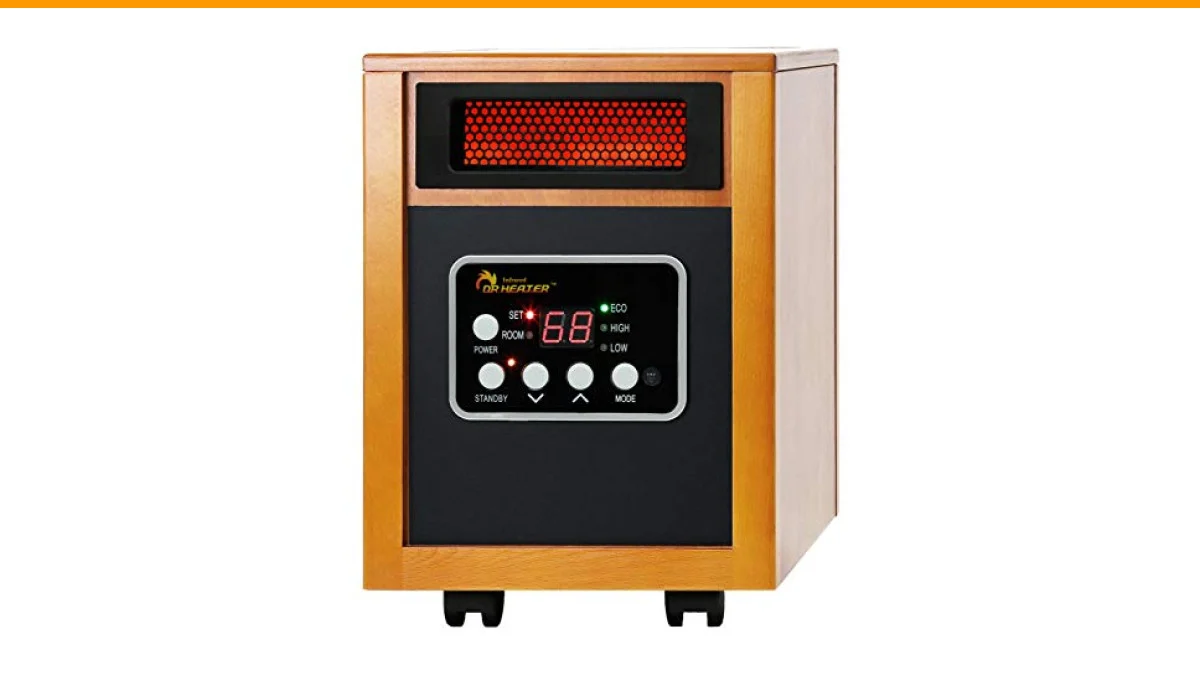
Dr Infrared Heater DR-968 Portable Space Heater, 1500-Watt, Cherry
- Can heat up a large room with Auto Energy Saving Model With High and Low Feature. Tip-over protection and Overheat protection.Heat…
- Dual Heating Systems featuring infrared quartz tube + PTC with 12-Hour automatic shut-off timer. Amperage: 12.5 Amps
- IR Remote Control, High Pressure Low Noise Blower with Noise level 39 dB super quiet. Heating can cover for a large room.
A product worth considering is the Dr Infrared Heater DR-968 Portable Space Heater. With a dual heating system and a power rating close to 5200 BTU, it effectively warms large rooms while offering energy-saving features.
What Does 5000 BTU Heater Output Mean?
BTU stands for British Thermal Unit, a measurement of heat energy. A 5000 BTU heater can produce enough heat to warm a space of approximately 150 to 250 square feet, depending on factors like insulation and ceiling height. To put it simply, the higher the BTU, the more heat it generates. This output is typically ideal for small to medium-sized rooms, making it a popular choice among homeowners.
For example, a 5000 BTU heater can maintain comfortable temperatures in bedrooms or small living rooms, particularly when the outside temperature is around 30°F. However, in poorly insulated spaces, you might need a higher BTU output to maintain the same level of comfort. This is crucial to keep in mind when selecting a heater.
Factors Influencing Heater Performance
Several factors can affect the performance of a heater with a 5000 BTU output. Understanding these can help you make a better choice.
- Room Size: The size of the room directly impacts the heater’s efficiency. A larger room may require multiple heaters or a unit with a higher BTU output.
- Insulation Quality: Well-insulated rooms retain heat better, making it easier for a 5000 BTU heater to maintain a comfortable temperature.
- Ceiling Height: Standard ceiling heights (8-9 feet) are optimal for BTU calculations. Higher ceilings may require more heating capacity.
- Climate: In colder climates, a heater may need to work harder to maintain warmth, potentially making a 5000 BTU output insufficient.
Comparative Analysis of Heater Options
Not all heaters are created equal. Here’s a comparison table of different heating options to better understand your choices:
| Heater Type | BTU Output | Ideal Room Size (sq ft) | Energy Source | Typical Features |
|---|---|---|---|---|
| Electric Heater | 5000 BTU | 150-250 | Electric | Portable, various settings |
| Gas Heater | 5000 BTU | 150-250 | Natural Gas/Propane | Faster heating, less expensive to operate |
| Infrared Heater | 5200 BTU | 150-300 | Electric | Quiet, heats objects not air |
| Oil-Filled Radiator | 5000 BTU | 150-250 | Electric | Safe, retains heat well |
Common Questions About 5000 BTU Heaters
1. How much electricity does a 5000 BTU heater use?
A 5000 BTU heater typically uses around 1500 watts of electricity. This translates to about 12.5 amps, which is important to consider for circuit capacity.
2. Can a 5000 BTU heater heat a garage?
It can, but only if the garage is well-insulated and is within the size limit of 250 square feet. Larger, uninsulated garages may require a higher output heater.
3. Is a 5000 BTU heater suitable for outdoor use?
Most 5000 BTU heaters are designed for indoor use. Outdoor heating usually requires specialized, weather-resistant units.
4. How do I maintain my 5000 BTU heater?
Regularly clean filters and check for any blockages. Inspect the heater for wear and tear, especially if it’s used frequently.
5. What safety features should I look for?
Features like tip-over protection and overheat protection are crucial for safety. Look for models with these features to prevent accidents.
Final Thoughts on Choosing a 5000 BTU Heater
- Understand your room size and insulation quality.
- Consider the climate in your area.
- Evaluate the energy source that best suits your needs.
- Look for essential safety features.
- Check the product specifications and reviews for performance insights.
- Explore models like the Dr Infrared Heater DR-968 for advanced features.
- Be prepared to adjust your heater settings based on changing temperatures and room usage.
With the right information, selecting a heater with a 5000 BTU output can lead to a cozy and warm home during the cold months.



