Imagine stepping into your workshop on a chilly winter morning. The air is crisp, and the tools are cold. You want to create, but the temperature makes it uncomfortable. How can you transform that space into a warm, welcoming environment? Understanding how many BTUs you need to heat a workshop effectively is the first step.
This article will provide you with the necessary calculations and considerations to determine the right BTU output for your workshop heating needs. Whether you’re a hobbyist or a professional, knowing how to size your heater correctly can make a significant difference in comfort and productivity.
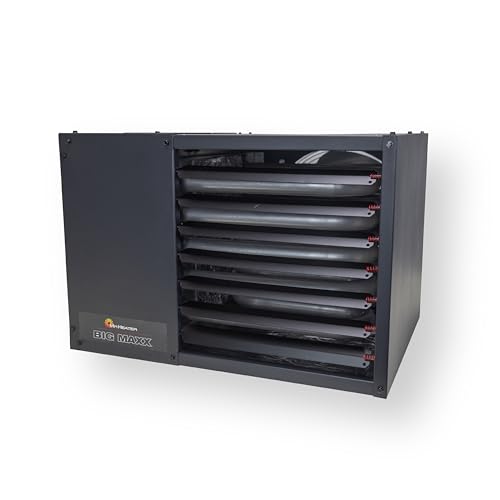
Mr. Heater
Mr. Heater 80,000 BTU Forced-Air Unit Heater (Propane or Natural Gas)
- Ceiling mounted forced air propane unit heater turns garages, barns and workshops into heated workspaces
- 80,000 BTUs heat up to 2,667 square feet
- Color may vary between grey and tan
For a reliable heating solution, consider the Mr. Heater 80,000 BTU Forced-Air Unit Heater. This unit efficiently heats spaces up to 2,667 square feet, making it a solid choice for workshops, garages, and barns.

Understanding BTUs and Their Importance
BTU stands for British Thermal Unit, a measurement used to quantify the amount of heat energy needed to raise the temperature of one pound of water by one degree Fahrenheit. When it comes to heating a workshop, BTUs indicate how much heat a heater can produce. Knowing the right BTU output ensures your space remains warm without wasting energy.
Calculating the Required BTUs for Your Workshop
Several factors influence the number of BTUs required to heat your workshop:
- Area Size: Measure the square footage of your workshop. Multiply the length and width to get the total area.
- Insulation: Well-insulated spaces retain heat better. If your workshop is poorly insulated, you’ll need more BTUs.
- Ceiling Height: Higher ceilings require more BTUs to heat the space effectively.
- Climate: Consider the local climate. Colder areas require more heating capacity.
- Windows and Doors: Large windows and frequent door openings can lead to heat loss, increasing your BTU needs.
As a general rule, you can use the following formula to estimate BTUs:
- For well-insulated workshops: 20 BTU per square foot
- For average insulation: 30 BTU per square foot
- For poorly insulated spaces: 40 BTU per square foot
For example, if your workshop measures 600 square feet with average insulation, you can calculate:
- 600 sq. ft. x 30 BTU/sq. ft. = 18,000 BTU
This calculation provides a solid starting point for determining your heating needs.
Types of Heaters and Their BTU Outputs
Different types of heaters offer varying BTU outputs. Here’s a comparison of common heating methods:
| Type of Heater | BTU Range | Best For |
|---|---|---|
| Electric Heater | 1,500 – 5,000 BTU | Small workshops, quick warmth |
| Propane Heater | 10,000 – 80,000 BTU | Large spaces, portable heating |
| Natural Gas Heater | 30,000 – 100,000 BTU | Permanent installations, large workshops |
| Wood Stove | 10,000 – 60,000 BTU | Off-grid, rustic spaces |
Choosing the right heater type depends on your workshop size, insulation, and personal preferences.
Common Questions About Heating Workshops
1. How do I know if my workshop is well-insulated?
Check for drafts around windows and doors, inspect wall and ceiling insulation, and feel for temperature differences in various areas. A thermal inspection can also be helpful.
2. Can I use a smaller heater for a larger workshop?
While a smaller heater may provide some warmth, it likely won’t heat the entire space effectively, leading to discomfort and increased energy costs.
3. What is the most efficient type of heater for a workshop?
It depends on your specific needs. Propane and natural gas heaters typically provide high BTU outputs and can be more efficient for larger spaces compared to electric heaters.
4. How do I maintain my workshop heater?
Regularly clean and inspect your heater, change filters as needed, and ensure gas lines are free of leaks. Follow the manufacturer’s maintenance guidelines for best results.
5. What other factors can affect heating efficiency?
Air leaks, poor ventilation, and the use of uninsulated ducts can significantly impact heating efficiency. Addressing these issues can improve overall performance.
Final Thoughts on BTUs and Workshop Heating
- Calculate BTUs based on square footage, insulation, and climate.
- Choose a heater type that fits your workshop’s needs.
- Regular maintenance is key to efficiency and performance.
- Consider the Mr. Heater 80,000 BTU Forced-Air Unit Heater for larger spaces.
- Be mindful of drafts and insulation quality.
- Understand local climate impacts when determining heating needs.
- Don’t hesitate to consult a professional for specific heating solutions.



