It’s 6 AM in January. You wake up to a freezing bedroom, and the thought of stepping out from under the covers feels genuinely painful. So you reach for the space heater plugged in near your desk, crank it up, and promise yourself you’ll get out of bed in five more minutes.
But then a nagging thought creeps in: Is this thing actually safe? Am I breathing in something harmful right now? It’s a fair question. There’s a lot of conflicting advice floating around about space heaters — some of it helpful, most of it exaggerated. The truth is more nuanced than a simple yes or no.

DREO
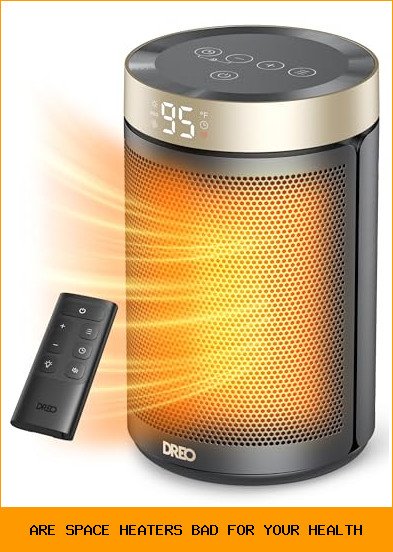
DREO Space Heater, Portable Electric Heaters for Indoor Use with Thermostat | 2026 Upgraded, 34dB Quiet, 12H Timer, 5 Mode, Remote, 1500W PTC Ceramic Fast Safety Heat for Office Bedroom Home, Gold
- Powerful heat that fits everywhere: DREO space heaters for indoor combines Hyperamics 1500W advanced PTC system with a new heat fu…
- Unbreakable safety:DREO goes beyond the unexpected to deliver peace of mind with every room heater. The innovative tilt-detection…
- Ultimate temperature control: The enhanced NTC chipset brings more precision to turn your space heater with thermostat into a smar…
Here’s what you’ll walk away knowing: the specific ways space heaters can affect your health, which risks are real and which are myths, and how to use one without turning your bedroom into a hazard zone.
If you’re in the market for a unit that addresses some of these concerns head-on, the DREO Space Heater includes a thermostat, tip-over protection, and a brushless DC motor that keeps noise down to 34 dB. It’s a solid option if you want precise temperature control without the loud fan hum that older models are known for.
Myth #1: Space Heaters ‘Burn’ the Oxygen in Your Room
This is the oldest space heater myth out there. People swear that running a heater overnight makes the room stuffy because the device is “eating” all the oxygen. That’s not how physics works.
Electric space heaters do not burn anything. They use resistive coils or ceramic elements to generate heat, then a fan pushes that warm air into the room. No combustion happens inside the unit. Oxygen levels stay exactly the same as they were before you plugged it in.
So why do you feel groggy or lightheaded after a night with a heater on? That’s usually carbon dioxide buildup — and it’s your own fault, not the heater’s. In a tightly sealed room, you’re exhaling CO2 all night. A space heater doesn’t create CO2, but it does make the room feel warmer, which makes you less likely to crack a window. The fix is simple: leave a small gap in the door or window, even in winter.
The one exception is kerosene or propane heaters. Those do burn fuel and can produce carbon monoxide. But those are portable fuel-burning devices, not the electric plug-in heaters most people own. If you’re using a fuel-burning heater indoors, you need a carbon monoxide detector in the same room, no exceptions.
Myth #2: Dry Air From Heaters Causes Sinus Infections
There’s a real phenomenon here, but the conclusion is wrong. Space heaters do dry out the air — that part is true. When you heat air, its relative humidity drops. Your nasal passages and throat can feel scratchy, and you might wake up with a dry cough.
But dry air doesn’t cause infections. It makes your mucous membranes less effective at trapping viruses and bacteria. That’s a vulnerability, not a direct cause. The distinction matters because it changes what you should do about it.
If you run a heater in your bedroom every night, you should also run a small humidifier. Keep the humidity between 40% and 50%. That range keeps your sinuses comfortable without being damp enough to grow mold. A cheap hygrometer costs about $10 and takes the guesswork out of it.
One thing to watch: if the air is so dry that your nose starts bleeding or you get persistent headaches, that’s a sign your room is too hot and too dry. Turn the thermostat down to 68°F or lower and add moisture to the air. Your heater doesn’t need to run at full blast all night.
Real Risk #1: Burns and Fire Hazards Are More Common Than You Think
Forget the exotic health concerns for a second. The most common injuries from space heaters are burns and fires.
Data from the National Fire Protection Association consistently shows that space heaters cause a large share of home heating fires. The usual culprits are placing the heater too close to bedding, curtains, or furniture. The NFPA recommends keeping at least three feet of clearance on all sides. That’s not a suggestion — that’s the difference between a warm room and a house fire.
Surface burns are also a real issue, especially with radiant heaters. The metal grille on some models can reach 200°F or more. Children and pets are the highest risk. If you have kids, look for a heater with a cool-touch exterior or one that shuts off when tipped over. The DREO Space Heater uses a tilt-detection sensor and V0 flame-retardant materials, which addresses the tip-over scenario directly.
Another overlooked risk: the extension cord. A 1500W heater draws about 12.5 amps. Most household extension cords are rated for 10 amps. Plug a heater into a cheap extension cord and you’re asking for melted plastic and a short circuit. Always plug directly into a wall outlet. If you must use an extension cord, it has to be a heavy-duty one rated for at least 15 amps.
Real Risk #2: Dust, Allergens, and Indoor Air Quality
Here’s a health concern that rarely gets discussed: space heaters are dust magnets. The fan pulls air through the unit, and dust accumulates on the heating element. When the element heats up, that dust burns off. You know that weird smell when you turn on a heater for the first time in months? That’s literally burning dust.
For most people, that smell is just unpleasant. For someone with asthma or allergies, it can trigger coughing, wheezing, or a flare-up. The fix is regular cleaning. Wipe down the intake vents and the fan blades every couple of weeks during heavy use. Vacuum the area around the heater so it’s not pulling in pet hair and debris.
There’s also the question of whether heaters produce harmful fumes. Electric heaters do not emit carbon monoxide or nitrogen dioxide. They’re clean in that sense. But if you have an older unit with a frayed cord or a cracked housing, you could be exposed to melting plastic fumes, which absolutely are harmful. Inspect your heater at the start of every season. If the cord feels hot to the touch during operation, stop using it immediately.
Comparing Heater Types: Which One Is Healthiest for You?
Not all space heaters are created equal. The technology matters for both comfort and safety. Here’s a quick comparison of the main types you’ll find on the market.
| Heater Type | How It Heats | Best For | Main Health/Safety Concern |
|---|---|---|---|
| Radiant (infrared) | Heats objects and people directly, not the air | Small rooms, spot heating near a desk | High surface temps; burn risk for kids and pets |
| Convection (oil-filled) | Warms air that rises and circulates naturally | Whole bedrooms, overnight use | Slow to heat up; can get dusty if not cleaned |
| Fan-forced (ceramic) | Pushes air over a hot ceramic element | Quick heating of small spaces | Noisy; stirs up dust and allergens |
| PTC (positive temperature coefficient) | Self-regulating ceramic element that adjusts output | Balanced heating and energy use | Generally safer; still needs 3-foot clearance |
If you have allergies, an oil-filled radiator is often the best choice because it doesn’t blow air around. It won’t stir up dust the way a fan-forced model will. The trade-off is that it takes longer to warm a room.
For most people, a PTC heater like the DREO Space Heater offers a good middle ground. It heats quickly, the fan moves air efficiently, and the self-regulating element means it doesn’t get dangerously hot to the touch. It’s not perfect — you’ll still need to dust it regularly — but it avoids the worst of the burn and fire risks.
Practical Safety Rules You Should Actually Follow
Let’s cut through the noise. Here’s what matters, in order of importance.
- Keep three feet of clearance. No exceptions for curtains, blankets, or furniture.
- Plug directly into a wall outlet. Never use a power strip or a standard extension cord.
- Use a heater with tip-over and overheat protection. These features are standard on most modern units, but check before you buy.
- Run a humidifier if the air feels dry. Target 40-50% relative humidity.
- Clean the intake vents monthly. Dust buildup is the number one cause of that burning smell.
- Turn it off when you leave the room. Modern heaters are energy-efficient enough that you don’t need to run them unattended.
One more thing: don’t rely on the heater’s thermostat alone. The built-in thermostat on cheaper models can be wildly inaccurate, swinging several degrees before kicking on or off. A separate room thermometer gives you a truer picture of what you’re actually experiencing.
Frequently Asked Questions
Can I sleep with a space heater on all night?
Yes, but with conditions. Use a model with tip-over protection and an automatic shutoff. Set the thermostat to 68°F or lower, keep it at least three feet from the bed, and leave a door cracked for ventilation. If you wake up with a dry throat, add a humidifier.
Do space heaters give off carbon monoxide?
Electric space heaters do not. They produce zero carbon monoxide. Only fuel-burning heaters (kerosene, propane, natural gas) produce CO. If you use those indoors, you need a CO detector and proper ventilation.
Are space heaters bad for your lungs?
Not directly. They don’t emit harmful gases. The indirect risk is dust and allergens being blown into the air, which can irritate sensitive airways. Regular cleaning of the unit and the surrounding area mitigates this.
Is it cheaper to run a space heater or central heating?
It depends on your situation. If you’re heating one room and the rest of the house is empty, a space heater uses less energy than running the whole furnace. But if you’re heating multiple rooms, central heating is more efficient. A 1500W heater running for 8 hours uses about 12 kWh. Check your local electricity rate to do the math.
Can space heaters cause dry eyes?
Yes. The dry air they produce can accelerate tear evaporation. If you wear contact lenses, you’ll notice this quickly. A humidifier in the same room usually solves the problem. If your eyes stay dry regardless, consider switching to a radiant heater that doesn’t blow air.
What to Remember When Shopping for a Heater
You don’t need to be paranoid about space heaters. They’re safe when used correctly, and the health risks are mostly manageable with basic precautions.
- Electric heaters don’t burn oxygen or produce carbon monoxide. That’s a myth.
- Dry air is the most common real complaint. Buy a humidifier alongside your heater.
- Burns and fires are the actual dangers. Maintain three feet of clearance and plug directly into the wall.
- Dust buildup causes that burning smell and can trigger allergies. Clean the unit regularly.
- Look for tip-over protection, overheat shutoff, and a thermostat you can actually set.
- PTC ceramic heaters offer a good balance of speed, safety, and energy use.
- Check the current price and specs on Amazon before committing — features vary by model.
If you want a heater that checks most of these boxes, the DREO Space Heater is worth a look. It has the safety certifications, a precise thermostat, and a quiet motor that won’t keep you up at night. Just remember to give it space, keep it clean, and you’ll stay warm without losing sleep over your health.



