Imagine stepping into a sauna after a long day. You enter a warm, inviting space, ready to unwind. The type of sauna you choose can significantly impact your relaxation experience, especially regarding heat retention efficiency. Barrel saunas and cabin saunas offer distinct benefits, and understanding these differences helps you make the best choice for your wellness routine.
This article will explore the heat retention efficiency of barrel saunas compared to cabin saunas. By the end, you’ll know which option works best for your needs, ensuring a comfortable and enjoyable sauna experience.

Breezestival
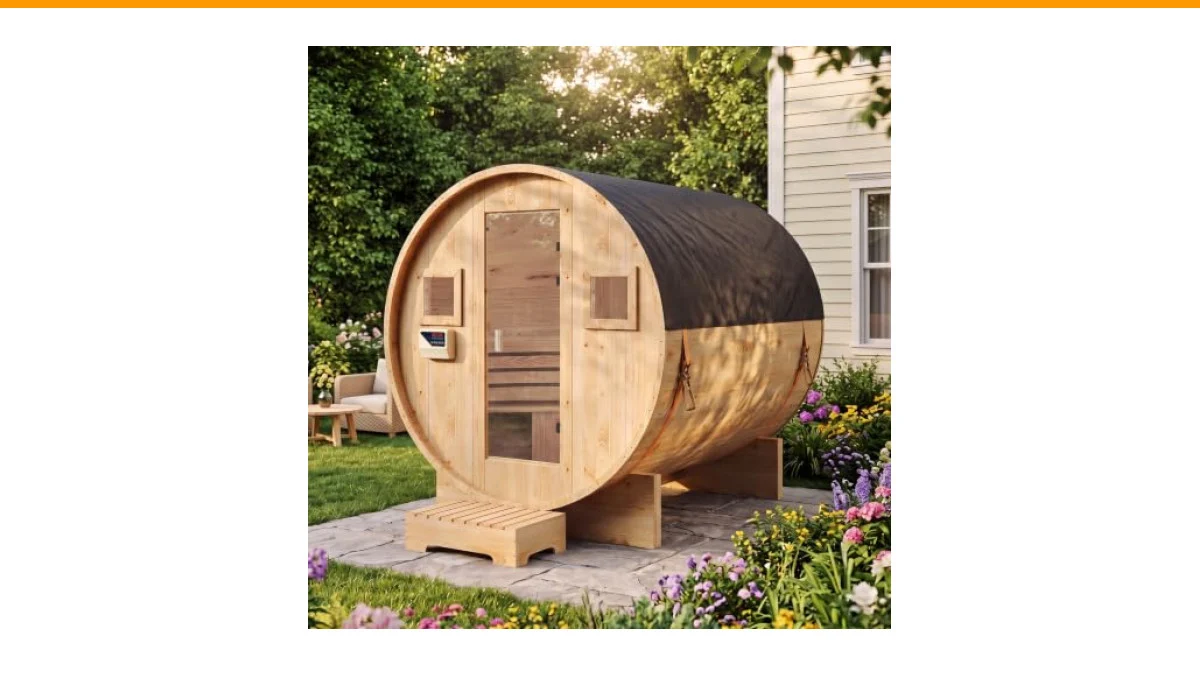
Breezestival Outdoor Barrel Sauna, 4-6 Person Tradition Wood Dry&Steam Sauna with Sauna Stone, 220V/6KW Electric Heater with Sauna Stone, Sauna Accessories, Waterproof Tarpaulin
- Spacious 4-6 Person Barrel Sauna: Designed for shared enjoyment with family and friends. The panoramic glass door and side windows…
- Premium Durable Construction: Crafted with solid wood, 8mm tempered glass, and a 6KW sauna heater for fast and efficient heating.…
- Intelligent Control System: The user-friendly controller allows you to adjust temperature and set the timer with just a few presse…
One excellent option to consider is the Breezestival Outdoor Barrel Sauna. Designed for 4-6 people, it features a durable construction and intelligent control system that optimizes heat retention. With its spacious design and dual dry/steam capabilities, it’s perfect for those looking to enjoy quality time with family and friends.
Understanding Heat Retention Efficiency
Heat retention efficiency refers to how well a sauna maintains its internal temperature once heated. Several factors influence this, including materials used, design, and overall construction. Barrel saunas typically have a rounded shape that allows heat to circulate efficiently, while cabin saunas usually feature square or rectangular designs.
In general, barrel saunas retain heat better than cabin saunas. This is primarily due to their design, which minimizes heat loss through surface area. Studies show that barrel saunas can reach and maintain temperatures of up to 190°F (88°C) more efficiently than traditional cabin saunas that may struggle to exceed 180°F (82°C) under similar conditions.
Materials Matter
The materials used in sauna construction also play a vital role in heat retention. Barrel saunas often utilize thicker wood planks, which provide better insulation. For example, a typical barrel sauna may feature 2-3 inches of solid wood, while a cabin sauna might use thinner panels.
According to thermal analysis, saunas made from high-quality cedar or spruce can retain heat more effectively. Cedar, in particular, has natural insulating properties that enhance heat retention, making it a favorite for many sauna enthusiasts.
Comparing Heating Times
How quickly a sauna heats up is another consideration. Barrel saunas generally require less time to reach optimal temperatures. For instance, a barrel sauna can heat up in about 30-40 minutes, while a cabin sauna may take 45-60 minutes. This difference results from the barrel sauna’s efficient design and superior insulation, allowing it to conserve heat more effectively.
When choosing between barrel and cabin saunas, consider how quickly you want to access your sauna experience. If time efficiency is crucial, a barrel sauna may be the better option.
Heat Retention Efficiency Comparison Table
| Feature | Barrel Sauna | Cabin Sauna |
|---|---|---|
| Shape | Round, minimizes heat loss | Square/rectangular, more heat loss |
| Material Thickness | 2-3 inches of solid wood | Often thinner panels |
| Heating Time | 30-40 minutes | 45-60 minutes |
| Temperature Maintenance | Up to 190°F (88°C) | Up to 180°F (82°C) |
| Ideal Group Size | 4-6 people | Varies, typically smaller |
What’s the best option for a small space?
A barrel sauna is usually the best option for smaller spaces due to its compact design. Its rounded shape allows it to fit into tighter areas without sacrificing heat retention efficiency.
Can I use a barrel sauna in winter?
Yes, barrel saunas are excellent for winter use. Their design and insulation capabilities allow them to maintain higher temperatures even in colder climates.
Is a cabin sauna cheaper to maintain?
Cabin saunas may have lower initial costs but can be more expensive in the long run due to higher energy consumption and longer heating times. Barrel saunas often save on heating costs due to their superior efficiency.
How often should I use my sauna for best results?
Using your sauna 2-3 times a week is generally recommended for optimal health benefits. Regular use helps with relaxation, muscle recovery, and overall wellness.
What type of heater is best for each sauna?
For barrel saunas, electric heaters like the one in the Breezestival Outdoor Barrel Sauna are effective and efficient. Cabin saunas can work well with both electric and wood-burning heaters, depending on personal preference.
Final Thoughts on Barrel Sauna vs Cabin Sauna Heat Retention Efficiency
- Barrel saunas generally have better heat retention than cabin saunas.
- Thicker materials contribute to improved insulation and efficiency.
- Heating times are shorter for barrel saunas.
- Consider your space and heating preferences when choosing.
- Regular sauna use can enhance relaxation and wellness benefits.
- Explore options like the Breezestival barrel sauna for a quality experience.
- Evaluate your budget not just for purchase but also for long-term maintenance costs.