Understanding Baseboard Heaters
Imagine a chilly evening at home. You’re wrapped in a blanket, but the cold air seeps through your windows and floors. You need warmth, yet traditional heating solutions seem bulky or inefficient. This scenario highlights the importance of effective heating systems, especially baseboard heaters. These compact units provide consistent warmth and can fit seamlessly into various spaces, making them a popular choice for many homeowners.
This article aims to provide a comprehensive overview of baseboard heaters, including how they work, the different types available, and essential maintenance tips. You’ll walk away with a solid understanding of these heating systems and practical advice on choosing and maintaining them.

Bvlikorr
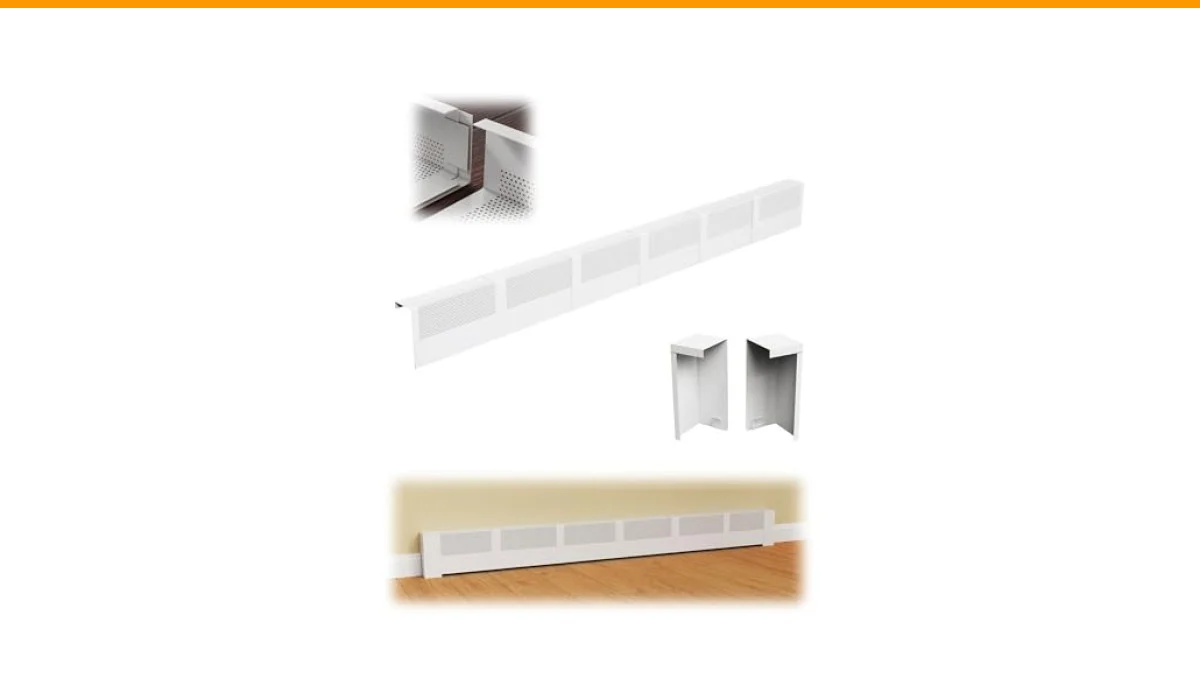
6FT Baseboard Heater Cover, Adjustable Size with Endcap for Radiator, White | DIY Slip-On Replacement for Old Hydronic Hot-Water Baseboard Radiator Covers, Rust-Proof, for Home Heating System Upgrade
- 【1-6 ft DIY Sizes】No cutting or customization required—Our adjustable baseboard covers for heaters fits most standard pipes and ra…
- 【Premium Rust-Resistant Material】White baseboard heat cover features quality powder-coated surface resists rust, corrosion, and de…
- 【Tool-Free Installation】Snap-on design with end caps—metal baseboard radiator covers no drilling, demolition, or professional help…
For those looking to improve their baseboard heater setup, consider the 6FT Baseboard Heater Cover by Bvlikorr. This adjustable cover fits most standard sizes without the need for cutting, offering a stylish solution for your home improvement projects.
How Baseboard Heaters Work
Baseboard heaters operate by using convection to heat a room. As cold air enters the heater unit, it heats up through either electric coils or hot water circulating through pipes. The warm air then rises, creating a natural circulation that helps maintain an even temperature throughout the space.
There are two main types of baseboard heaters: electric and hydronic. Electric baseboard heaters use electric coils to generate heat, while hydronic systems circulate hot water from a boiler or water heater. Both types have their advantages and specific applications. For instance, electric heaters can be more straightforward to install, while hydronic systems tend to be more energy-efficient in larger spaces.
Choosing the Right Baseboard Heater
When selecting a baseboard heater, consider the following factors:
- Size of the Room: Calculate the BTU (British Thermal Unit) requirement based on the room’s dimensions. Generally, a room needs about 20 BTUs per square foot.
- Type of Heater: Decide between electric and hydronic based on your installation preferences and energy costs.
- Energy Efficiency: Look for models with high energy efficiency ratings to reduce long-term costs.
For example, a 150-square-foot room would typically require a heater that offers 3,000 BTUs of output. This calculation can guide you in selecting a unit that adequately heats your space without unnecessary energy consumption.
Maintenance Tips for Baseboard Heaters
Keeping your baseboard heaters in good working condition ensures they operate efficiently. Here are some essential maintenance tips:
- Regular Cleaning: Dust and debris can accumulate on heaters. Clean them at least once a season to ensure optimal airflow.
- Check for Leaks: For hydronic systems, inspect for leaks in the pipes and fittings. Address any leaks immediately to prevent water damage.
- Inspect Thermostats: Ensure thermostats are functioning correctly to maintain desired temperatures. Replace or recalibrate if necessary.
Implementing these maintenance practices can extend the life of your heating system and improve its overall efficiency.
Comparative Overview of Baseboard Heater Types
| Type | Heating Method | Installation | Cost of Operation | Best For |
|---|---|---|---|---|
| Electric | Electric coils | Easy, no plumbing required | Higher electricity costs | Small spaces, quick heat |
| Hydronic | Hot water | Requires plumbing, more complex | Lower energy costs, more efficient | Larger areas, consistent heat |
Common Questions About Baseboard Heaters
How long do baseboard heaters last?
With proper maintenance, electric baseboard heaters can last 20 years or more. Hydronic systems can last even longer, often exceeding 30 years, depending on water quality and maintenance.
Can I paint my baseboard heater?
Yes, you can paint your baseboard heater cover. Use high-temperature paint to ensure it withstands heat without peeling. However, avoid painting the heating element itself.
Are baseboard heaters safe?
Baseboard heaters are generally safe when installed correctly. Modern units often have safety features such as rounded edges and child-proof designs to minimize hazards.
Can I use a baseboard heater as a primary heating source?
Yes, many homeowners use baseboard heaters as primary heating sources, especially in smaller homes or apartments. Ensure you select units with adequate BTU output for the space.
How do I improve the efficiency of my baseboard heater?
Improving efficiency can be done by regularly cleaning the units, using insulated covers, and ensuring proper thermostat settings. Additionally, using the right heater covers can help maintain heat and reduce energy consumption.
Final Thoughts
- Baseboard heaters provide efficient, space-saving heating solutions.
- Consider room size and BTU requirements when selecting a unit.
- Regular maintenance can extend the lifespan of your heaters.
- Electric and hydronic options cater to different needs and preferences.
- Proper installation and safety measures are crucial for effective operation.
- Explore stylish covers, like the 6FT Baseboard Heater Cover by Bvlikorr, to enhance your home’s aesthetic.
- Stay informed about energy efficiency to save on heating costs.



