Winter evenings can be chilling, especially when your home lacks a reliable heating source. Picture yourself bundled up on the couch, wishing for a warm spot to relax. When traditional heating systems fall short, wall-mounted heaters can be a practical and efficient solution. This article will break down what wall-mounted heaters are, how they work, their advantages, and essential considerations to keep in mind when choosing one.
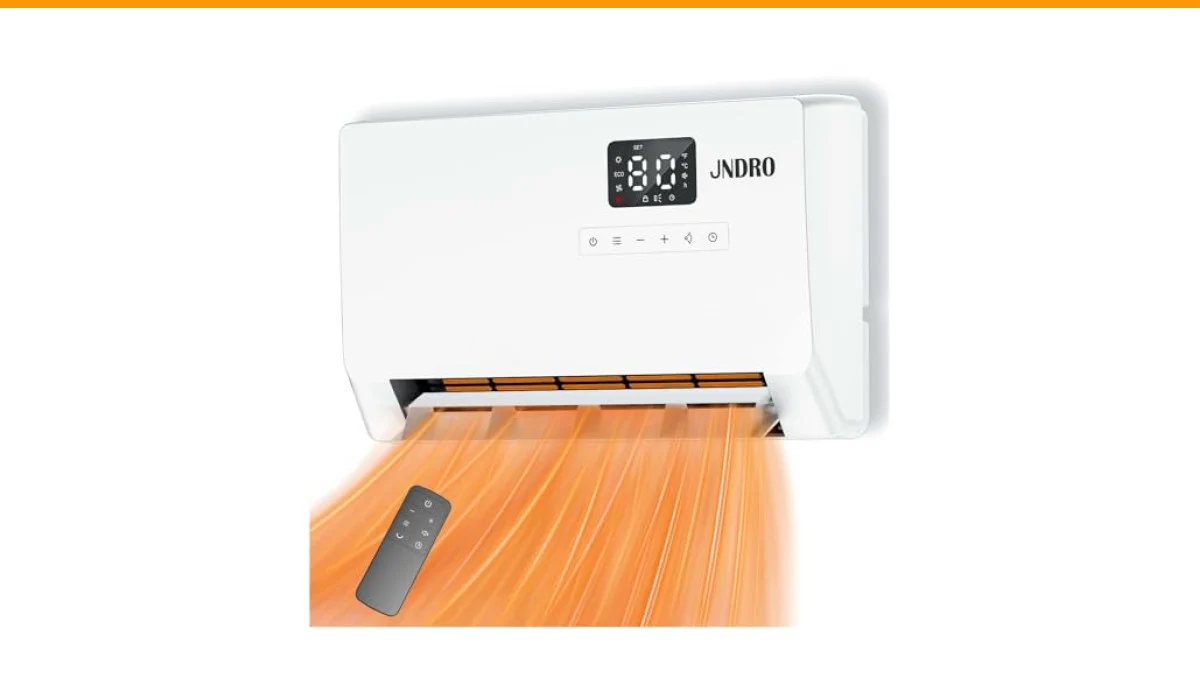
One product worth considering is the JNDRO Wall-Mounted Space Heater with Thermostat and Remote Control. This model features an ECO energy-saving mode, a user-friendly remote, and multiple oscillation angles. With such features, it represents a solid choice for those looking to efficiently warm their spaces.
Understanding Wall-Mounted Heaters
Wall-mounted heaters are compact heating units that attach directly to a wall. They can operate using electricity, gas, or even water, depending on the model. These heaters are designed to provide warmth in specific areas, making them ideal for rooms that need supplemental heating. Because they are mounted on the wall, they save floor space, which is especially beneficial in smaller homes.
Types of Wall-Mounted Heaters
There are several types of wall-mounted heaters, each with unique features and benefits:
- Electric Wall Heaters: These are the most common type. They convert electricity into heat, making them easy to install and operate. Models like the JNDRO heater include smart thermostats for energy efficiency.
- Gas Wall Heaters: These heaters use natural gas or propane. They can be more cost-effective for large spaces but require proper ventilation.
- Hydronic Wall Heaters: These units use heated water to generate warmth. They are often more efficient but can be more complex to install.
Benefits of Wall-Mounted Heaters
Wall-mounted heaters offer several advantages:
- Space-Saving: They free up floor space, making them ideal for small rooms.
- Targeted Heating: You can install them in rooms that need extra warmth without heating the entire house.
- Easy Installation: Most models can be installed quickly, often requiring only basic tools.
- Energy Efficiency: Many modern models, like the JNDRO heater, have energy-saving modes and thermostats that adjust based on room temperature.
Considerations When Choosing a Wall-Mounted Heater
Selecting the right wall-mounted heater involves several factors:
- Heating Capacity: Measured in BTUs (British Thermal Units), ensure the heater can adequately warm the room size. A typical small room (about 150 sq. ft.) needs around 4,000 BTUs.
- Power Source: Consider whether you prefer electric, gas, or hydronic options based on your energy availability and costs.
- Safety Features: Look for models equipped with safety features like child locks and overheat protection, which the JNDRO heater provides.
- Control Options: Features like remote control and programmable settings can enhance convenience.
| Feature | Electric | Gas | Hydronic |
|---|---|---|---|
| Installation Cost | Low | Medium | High |
| Efficiency | High (especially with smart features) | Medium | High |
| Space Usage | Wall-mounted, saves floor space | Wall-mounted, saves floor space | Wall-mounted, saves floor space |
| Heating Speed | Quick | Quick | Moderate |
| Maintenance | Low | Medium | Medium to High |
Frequently Asked Questions
1. How do wall-mounted heaters work?
Wall-mounted heaters work by converting energy into heat. Electric models use resistance heating, while gas models burn fuel to create warmth. Hydronic models circulate hot water through pipes.
2. Are wall-mounted heaters safe?
Yes, most modern wall-mounted heaters come with safety features such as automatic shut-off switches and overheat protection. However, always follow the manufacturer’s instructions for safe installation and operation.
3. Can I install a wall-mounted heater myself?
Many wall-mounted heaters are designed for easy installation. However, if you’re not comfortable with electrical or gas connections, hiring a professional is recommended.
4. How much does it cost to run a wall-mounted heater?
The operating cost depends on the heater’s power and your local energy rates. Electric models typically cost about $0.10 to $0.30 per hour, while gas models generally range from $0.05 to $0.15 per hour.
5. Can wall-mounted heaters be used in bathrooms?
Yes, but ensure you choose a model specifically rated for bathroom use. These models are designed to withstand moisture and reduce the risk of electrical hazards.
Final Thoughts
- Wall-mounted heaters are efficient space-saving solutions for targeted heating.
- Consider your room’s size and insulation when choosing a heater.
- Electric models are generally easier to install and maintain.
- Look for features like remote control and smart thermostats for added convenience.
- Always prioritize safety features, especially in homes with children.
- Evaluate running costs to find a model that fits your budget.
- Research products like the JNDRO heater which combine efficiency with user-friendly features.



