Introduction to Heating Options
As winter approaches, the need for effective heating becomes a priority for many households. You might find yourself standing in a chilly room, wishing for a warm, cozy space. Choosing the right heating solution can significantly influence both comfort and energy bills. This article compares baseboard heaters and wall heaters, two popular options that homeowners often consider.
By the end of this read, you’ll clearly understand the differences between baseboard and wall heaters, including their efficiency, installation costs, and suitability for different spaces. Whether you want to heat a small bedroom or a larger living area, this guide will help you make a well-informed decision.

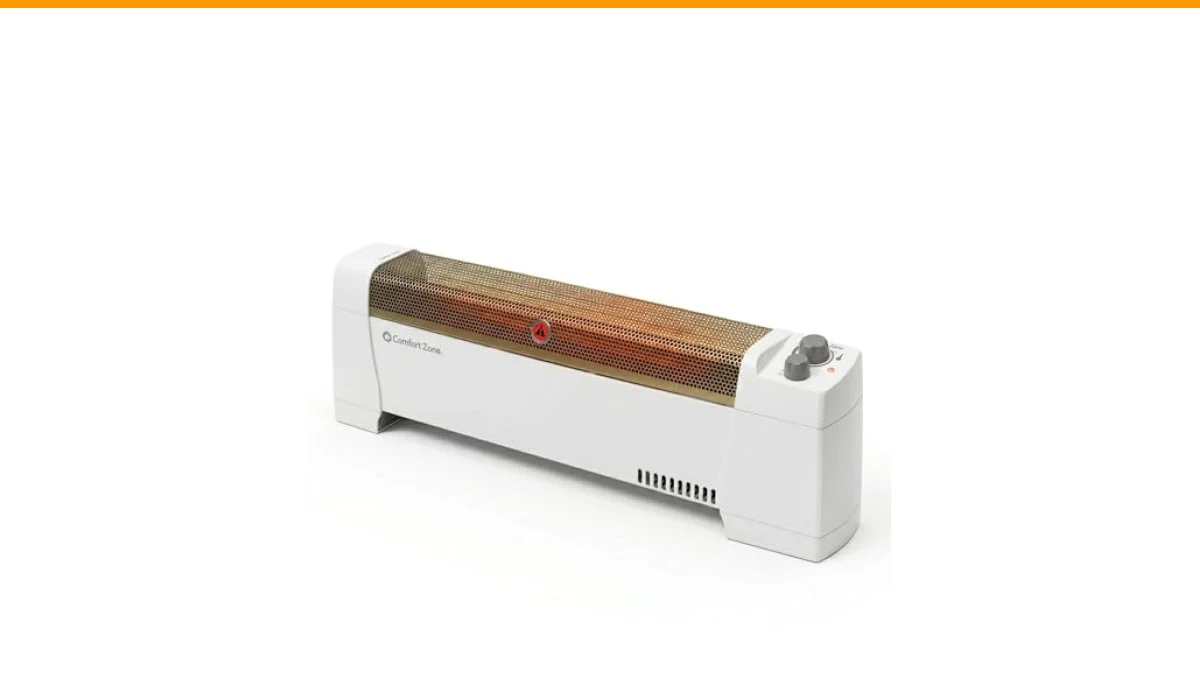
COMFORT ZONE
COMFORT ZONE Convection Baseboard Space Heater with Manual Thermostat | Convection baseboard heater with 2 heat settings and a manual adjustable thermostat knob for easy temperature control.
- EFFICIENT AND VERSATILE HEATING: Designed for medium-sized rooms, this 1500 Watt convection baseboard heater delivers powerful per…
- SAFETY AT ITS BEST: Rest easy knowing that this heater prioritizes your safety. It is equipped with an advanced safety system, inc…
- WHISPER-QUIET OPERATION: Experience undisturbed tranquility in your space with this electric baseboard heater's silent operation.…
If you’re leaning towards baseboard heating, the Comfort Zone Electric Baseboard Space Heater is a noteworthy option. With adjustable thermostat settings and safety features, it’s designed to efficiently heat medium-sized rooms while keeping safety a top priority.
How Wall Heaters and Baseboard Heaters Work
To understand the differences, it’s essential to know how each type works. Baseboard heaters typically use convection heating. They draw in cool air from the floor, heat it, and then release warm air at the top. This method circulates air throughout the room, providing consistent warmth.
Wall heaters, on the other hand, often use radiant or convection heating methods. Radiant heaters warm objects in the room directly, while convection wall heaters operate similarly to baseboards but are mounted higher on the wall. This positioning can be beneficial in rooms with limited floor space.
Energy Efficiency: A Detailed Comparison
Energy efficiency is a major consideration when choosing between baseboard and wall heaters. Baseboard heaters are generally more efficient in terms of heat distribution. They warm the entire room evenly and maintain a comfortable temperature without significant fluctuations.
Wall heaters can vary in efficiency based on their design. Some models offer advanced features like programmable thermostats, which can optimize energy use by adjusting the temperature according to your schedule. Here’s a quick look at typical energy efficiency ratings:
| Heater Type | Energy Efficiency Rating |
|---|---|
| Baseboard Heater | Up to 95% |
| Wall Heater | 70% – 90% |
While both options can be effective, baseboard heaters typically edge out wall heaters in terms of overall efficiency.
Installation Costs and Requirements
Installation costs can significantly impact your decision. Baseboard heaters usually require professional installation, especially when they are hardwired into the electrical system. Expect to pay around $300 to $500 for installation, depending on your home’s electrical setup.
Wall heaters, particularly portable electric models, often come with much lower installation costs, sometimes just requiring a simple plug-in setup. Hardwired wall heaters, however, can incur similar installation costs to baseboard heaters if they need to be integrated into the electrical system.
Maintenance Needs and Long-Term Costs
Maintenance is crucial for long-term efficiency. Baseboard heaters require minimal maintenance. Regular cleaning is typically sufficient, as dust can accumulate on the fins. Most models have a lifespan of 20 years or more.
Wall heaters may demand more attention, especially if they’re used frequently. Dust buildup can affect performance, and electrical components may need more frequent checks. Expect to replace wall heaters after about 15 years, depending on usage and maintenance.
Safety Features and Considerations
Safety is paramount in any heating system. Baseboard heaters typically have built-in safety features, such as overheat protection and tip-over switches. The Comfort Zone Electric Baseboard Heater exemplifies this with its overheat protection and tip-over switch, ensuring safe operation.
Wall heaters also come with safety features, but their installation height means they can be more prone to accidental contact. Models with grilles that remain cool to the touch and those that automatically shut off when tipped can enhance safety.
Suitability for Different Room Types
Choosing the right heater often depends on the room’s size and layout. Baseboard heaters are excellent for larger spaces where consistent heat is required. Their low-profile design allows for unobtrusive installation along walls.
Wall heaters are ideal for smaller rooms or spaces with limited floor area. They can be installed higher up, freeing up floor space for furniture. However, they may not distribute heat as evenly as baseboard heaters.
Aesthetic Integration in Home Design
Aesthetics play a role in your heating choice. Baseboard heaters are discreet and can blend seamlessly into various home decors. They come in different colors and styles, making them versatile.
Wall heaters can also be stylish, especially modern models designed to fit contemporary decor. However, their visible installation can sometimes disrupt room aesthetics, particularly in more traditional spaces.
User Experiences: Real-Life Comparisons
User testimonials often provide valuable insights. Many users of baseboard heaters appreciate their efficiency and quiet operation. They report consistent, comfortable heating throughout their homes.
Conversely, wall heater users often enjoy the flexibility of placement. However, some note that they can struggle with uneven heating in larger rooms. In smaller spaces, though, they provide effective warmth and can be a more affordable option overall.
Frequently Asked Questions
1. Which is more energy-efficient: baseboard or wall heaters?
Baseboard heaters generally have higher energy efficiency ratings compared to wall heaters, especially in larger spaces where even heat distribution is essential.
2. What are the installation requirements for wall heaters?
Wall heaters can be either plug-in portable models or hardwired units. Hardwired models require professional installation, while portable models can be easily set up by the user.
3. How often do I need to maintain my heating system?
Baseboard heaters need minimal maintenance, typically just regular dusting. Wall heaters may require more frequent checks, especially for electrical components.
4. Are baseboard heaters safe for children and pets?
Yes, baseboard heaters are generally safe, especially models with safety features like overheat protection and tip-over switches. However, supervision is always recommended.
5. Can I use both heating systems together?
Yes, using both systems can help optimize heating in a home. For example, baseboard heaters can provide consistent warmth in larger areas, while wall heaters can supplement heating in smaller rooms.
Final Thoughts on Your Heating Choices
- Assess your room size and layout before choosing a heater.
- Consider energy efficiency ratings for long-term cost savings.
- Evaluate installation costs and potential maintenance needs.
- Prioritize safety features, especially in homes with children or pets.
- Think about aesthetic integration with your home design.
- Read user testimonials to learn about real-world performance.
- Explore products like the Comfort Zone Electric Baseboard Heater for reliable heating solutions.