Introduction to Heating Options
Imagine a chilly winter evening. You’re curled up on the couch, a blanket wrapped around you, but the house feels just a bit too cold. You need an effective heating solution to make your home cozy. Two popular options are baseboard heaters and wall-mounted heaters. Both have distinct advantages and disadvantages, affecting comfort, energy efficiency, and even aesthetic appeal.
This article will guide you through the essential differences between baseboard and wall heaters. By the end, you’ll have a clear understanding of which heating solution might best suit your needs.

COMFORT ZONE
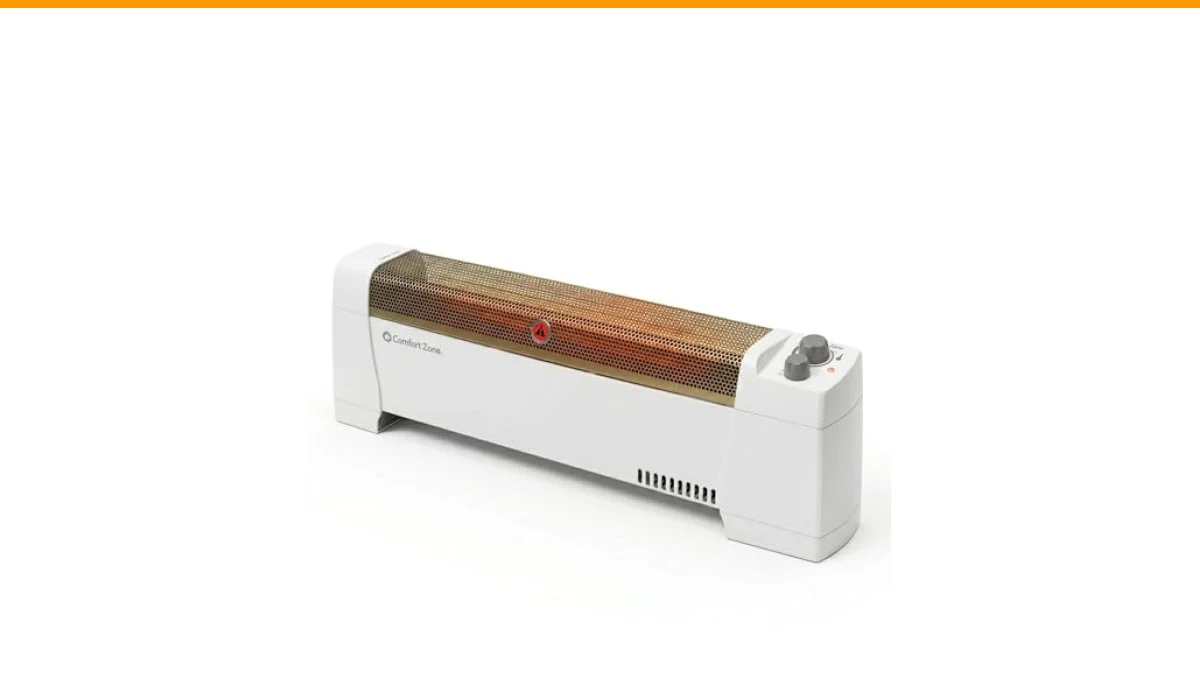
COMFORT ZONE Convection Baseboard Space Heater with Manual Thermostat | Convection baseboard heater with 2 heat settings and a manual adjustable thermostat knob for easy temperature control.
- EFFICIENT AND VERSATILE HEATING: Designed for medium-sized rooms, this 1500 Watt convection baseboard heater delivers powerful per…
- SAFETY AT ITS BEST: Rest easy knowing that this heater prioritizes your safety. It is equipped with an advanced safety system, inc…
- WHISPER-QUIET OPERATION: Experience undisturbed tranquility in your space with this electric baseboard heater's silent operation.…
For those considering a baseboard heater, the Comfort Zone Electric Baseboard Space Heater offers efficient heating with adjustable thermostat control, making it a great choice for targeted warmth in smaller spaces.
How Wall Heaters and Baseboard Heaters Work
Baseboard heaters operate by heating air through convection. When the heater warms the air, it rises, causing cooler air to flow in from the bottom, creating a continuous cycle. These are usually electric or hydronic systems that circulate hot water through pipes. They work best in areas with sufficient wall space, as they run along the perimeter of a room.
Wall heaters, on the other hand, are typically mounted higher up, allowing them to distribute heat more evenly across the room. They can be convection heaters or radiant heaters, and some models even include fans to help distribute heat quickly. Wall heaters are versatile and can be installed in various locations, making them suitable for smaller rooms or unique layouts.
Energy Efficiency: A Detailed Comparison
Energy efficiency is a crucial factor when choosing between baseboard and wall heaters. Baseboard heaters generally have a lower upfront cost and can be more energy-efficient for heating specific rooms. For example, electric baseboard heaters have an efficiency rating close to 100%, meaning nearly all the energy they consume is converted into heat.
Wall heaters can vary significantly in efficiency. Some models have energy-saving features like programmable thermostats or timers, which help reduce energy consumption. According to the U.S. Department of Energy, electric wall heaters can consume a lot of energy if not managed properly, especially when used to heat larger areas or left running continuously.
Here’s a summary of their energy efficiency:
- Baseboard Heaters: Typically 100% efficient; suitable for medium-sized rooms.
- Wall Heaters: Efficiency varies; may include energy-saving features.
Installation Costs and Requirements
Installation costs can significantly influence your decision. Baseboard heaters are relatively easy to install, especially if you choose electric models. Expect to pay between $200 to $500 per unit, depending on the size and features.
Wall heaters, however, may require more complex installation, particularly if they are hardwired into your home’s electrical system. The installation cost can range from $300 to $700, depending on the unit and the existing electrical setup.
Both types require access to electrical outlets, and if you’re installing multiple units, consider the total load on your electrical system. Additionally, wall heaters often need to be placed away from furniture and drapes to ensure proper airflow and safety.
Maintenance Needs and Long-Term Costs
Maintenance is another important aspect to consider. Baseboard heaters generally require minimal upkeep. Regular dusting and occasional checks for leaks or corrosion are usually sufficient. Hydronic systems may need periodic flushing to remove sediment buildup.
Wall heaters can demand more attention, especially if they have fans. Dust and debris can accumulate in the fan and heating elements, potentially affecting performance. Cleaning should occur at least once a year to maintain efficiency.
Long-term costs for both options depend on usage patterns. Baseboard heaters might cost less to operate in the long run, especially if used selectively in rooms you occupy most. Wall heaters can lead to higher energy bills if they’re not managed carefully.
Safety Features and Considerations
Safety is paramount when selecting any heating system. Baseboard heaters generally have built-in safety features, like overheat protection and cool-touch surfaces. This reduces burn risks, especially in homes with pets or children.
Wall heaters also come with safety features but can vary based on the model. Some include tip-over switches and automatic shut-off functions. Ensure any wall heater you consider complies with safety standards, especially if it’s installed in a high-traffic area.
Suitability for Different Room Types
Choosing the right heater depends on the room type. Baseboard heaters work well in living rooms and bedrooms where you want consistent, comfortable heating. They’re excellent for medium-sized spaces with adequate wall length.
Wall heaters shine in smaller rooms or areas with limited wall space. Their compact design allows for installation in tighter spots, such as bathrooms or small bedrooms. If you’re heating areas with specific layout challenges, wall units could be the better option.
Aesthetic Integration in Home Design
The visual aspect of heating solutions shouldn’t be overlooked. Baseboard heaters can blend into a room’s decor, especially if painted to match the wall color. They maintain a low profile and aren’t likely to interfere with furniture placement.
Wall heaters can add a modern touch but may require more consideration in terms of placement. Consider how the heater will fit into the overall design of the room. If aesthetics are important, look for sleek designs that complement your décor.
User Experiences: Real-Life Comparisons
Gathering feedback from users can provide insights into the effectiveness of baseboard vs. wall heaters. Many users appreciate the steady heat from baseboard heaters, especially in larger spaces. For instance, one homeowner mentioned that their electric baseboard heater effectively maintained warmth in a 200-square-foot room during winter.
Conversely, wall heater users often cite quick heating as their main advantage. A user in a small apartment stated that their wall heater efficiently warmed the living space within minutes, making it ideal for quick heating when arriving home. These testimonials highlight the strengths of each option and can help guide your decision.
| Feature | Baseboard Heaters | Wall Heaters |
|---|---|---|
| Energy Efficiency | Close to 100% | Varies; may include energy-saving features |
| Installation Cost | $200 – $500 | $300 – $700 |
| Maintenance | Minimal; dusting and checks | Regular cleaning required |
| Safety Features | Built-in overheat protection | Varies; check for compliance |
| Room Suitability | Medium-sized rooms | Smaller rooms or unique layouts |
| Aesthetic Integration | Low profile; customizable | Modern designs available |
Frequently Asked Questions
What’s the average lifespan of baseboard and wall heaters?
Baseboard heaters typically last 20-30 years with proper maintenance. Wall heaters have a similar lifespan but may require more frequent repairs due to their moving parts.
Are baseboard heaters more efficient than wall heaters?
Generally, yes. Baseboard heaters have a higher efficiency rating, often close to 100%. Wall heaters can vary, and their efficiency often depends on usage patterns and settings.
Can I install these heaters myself?
While it’s possible for DIY enthusiasts to install electric baseboard heaters, wall heaters may require professional installation, especially if they are hardwired. Always check local codes and regulations.
How do I manage heating costs effectively?
Consider using programmable thermostats or timers for both heater types. Focus on heating only the rooms you occupy regularly to reduce energy consumption.
What are the environmental impacts of these heaters?
Electric heaters, whether baseboard or wall-mounted, rely on electricity production methods. Their environmental impact largely depends on how the electricity is generated in your area. Lowering usage during peak hours can help mitigate environmental effects.
Final Considerations
- Baseboard heaters offer high efficiency and are suitable for medium-sized rooms.
- Wall heaters provide quick heat and are effective in smaller spaces.
- Installation costs vary; baseboard may be cheaper overall.
- Maintenance is generally minimal for baseboard heaters, while wall heaters require more attention.
- Choose a heater with appropriate safety features for your household.
- Consider the aesthetic fit of the heater in your home design.
- Consult user reviews to understand real-world performance and satisfaction.