You catch a faint rotten egg smell near the utility closet. Your first thought is the water heater, but you aren’t sure. It could be the drain pan, or maybe the gas line. That uncertainty is normal, but it’s also dangerous. Natural gas leaks cause roughly 4,200 house fires every year in the US, according to fire department data. Most of those incidents start with a small leak that went unnoticed for days.
This article walks you through the specific ways a water heater can leak gas, how to tell the difference between a water leak and a gas leak, and what to do the moment you suspect trouble. You’ll also learn how to test your connections yourself with a portable gas sniffer, which costs less than a single service call.
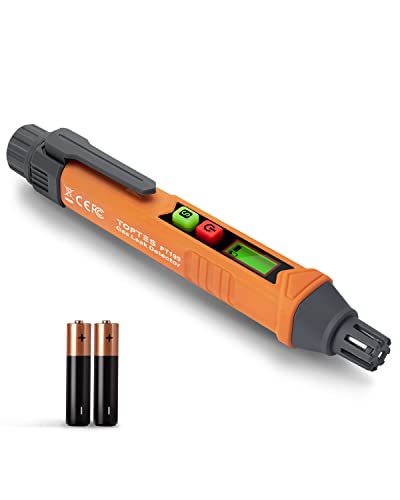
TOPTES
PT199 Natural Gas Leak Detector with Audible & Visual Alarm, Portable Gas Sniffer to Locate Combustible Sources Like Methane, Propane for Home(Includes Battery x2)-Orange
- Combustible Gas Leak Detector: The TopTes PT199 detects natural gas, methane, propane, butane, LPG, and more, pinpointing leaks to…
- Visual and Audio Gas Alarm: Visual and audio alarms trigger within 0.5 seconds of gas detection. The alarm intensifies with gas co…
- Batteries Included and Easy to Use: The TopTes PT199 includes 2x AAA batteries and is ready after a 30-second warm-up. The low bat…
Gas water heaters are safe when installed correctly. But they have several failure points that develop over time. Knowing where those points are gives you a head start on preventing a dangerous situation.
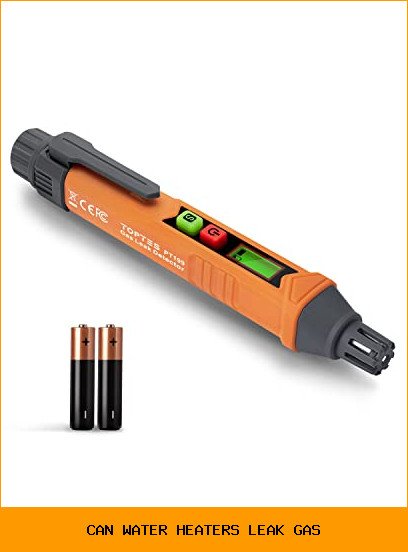
A simple tool like the TopTes PT199 Natural Gas Leak Detector takes the guesswork out of this. It runs on two included AAA batteries, warms up in 30 seconds, and beeps faster as the gas concentration climbs. The LCD screen even turns red at high levels. You can sweep it along the gas line and around the burner access panel to locate the exact source in minutes. It’s the kind of thing you buy once and use every time you smell something odd near an appliance.
Where Gas Leaks Actually Happen on a Water Heater
A water heater itself doesn’t generate gas. It burns gas that flows through a supply line. The leak points are almost always at the connections or the internal gas valve assembly, not the tank body itself. Here are the five most common spots.
The Gas Supply Line Connection
The black iron pipe or flexible corrugated stainless steel tubing connects to the gas control valve on the side of the tank. That joint gets tightened with pipe thread compound or Teflon tape during installation. Over time, vibration from the burner cycling can loosen it slightly. Temperature changes cause metal to expand and contract, which also stresses the threads. A leak here is easy to miss because it sits behind the access panel.
The Gas Control Valve Body
The gas control valve is the box with the temperature dial and the pilot light button. It contains a thermocouple or electronic igniter, a gas regulator, and several internal seals. These valves fail after 8 to 12 years of service. The internal diaphragm can crack, allowing gas to seep past the valve even when the burner is off. You won’t hear it and you won’t see it. You’ll only smell it.
The Burner Orifice and Manifold Tube
Inside the burner chamber, a small brass orifice meters the gas flow. The tube that carries gas from the control valve to the orifice can develop hairline cracks from repeated heating and cooling cycles. Dust and debris can also clog the orifice, causing incomplete combustion. That creates carbon monoxide, which is a different but equally serious hazard. A gas sniffer will detect raw gas escaping from a cracked manifold tube.
The Pilot Light Assembly
The pilot light tube is a thin copper line that runs from the control valve to the burner. It’s fragile. Bumping it while cleaning or moving the unit can crack it. The thermocouple sits next to the pilot flame, and the fitting where it screws into the control valve can leak as well. These small leaks produce just enough gas to smell but not enough to trigger most whole-house alarms.
The Pressure Relief Valve (Not Gas, But Confusing)
This valve releases water, not gas. But a leaking T&P valve often smells like gas because the water in the tank contains dissolved sulfur compounds. If you see water pooling under the tank and smell rotten eggs, check the T&P valve first. It might not be a gas leak at all.
Odor, Sound, and Physical Signs of a Gas Leak
Gas companies add mercaptan to natural gas so you can smell it. That’s the rotten egg or sulfur odor. But the smell alone doesn’t tell you where the leak is or how big it is. You need to look for other clues.
- Dead plants or grass near an outdoor water heater or along the gas line path. Gas displaces oxygen in the soil and kills vegetation.
- A hissing sound near the gas valve or the supply line. You’ll hear it best when the house is quiet, like early morning.
- Bubbles on pipe joints if you apply soapy water. This is the classic DIY test. Mix dish soap with water, brush it on the joints, and watch for bubbles.
- Dizziness, headaches, or nausea at home that goes away when you leave. Low-level gas exposure causes these symptoms.
- Higher gas bills without more usage. A small leak adds up over months.
The smell threshold for natural gas is about 1 part per million. Your nose is actually quite good at detecting it. The problem is that your nose adapts after a few minutes of exposure, and you stop noticing the smell. That’s why relying on smell alone is a bad strategy.
Testing for a Gas Leak: Soapy Water vs. Electronic Sniffer
You have two practical options for confirming a leak. Both are valid, but they serve different purposes.
| Method | What It Detects | Cost | Best Use Case |
|---|---|---|---|
| Soapy water solution | Active leaks at threaded joints and fittings | Pennies | Quick check on visible connections during installation or annual maintenance |
| Electronic gas sniffer | Any combustible gas in the air, including leaks from cracks and internal valve seals | $20 to $50 | Finding hidden leaks, checking the burner chamber, verifying repairs |
Soapy water works only on exposed joints you can see. It won’t detect a cracked manifold tube inside the burner chamber or a failing internal seal in the gas valve. An electronic sniffer like the TopTes PT199 picks those up because it samples the air directly. You hold the sensor tip about a half inch from the suspected area and move it slowly. The alarm rate increases as you get closer to the source.
One limitation worth noting: electronic sniffers can give false positives if you hold them too close to the burner while it’s running, because combustion byproducts can trigger the sensor. Always test with the burner off and the pilot lit, then re-test with the burner running to compare readings.
What to Do Immediately If You Suspect a Gas Leak
Your actions in the first few minutes matter more than anything else. Follow this sequence exactly.
- Stop what you’re doing. Don’t flip any light switches, don’t use a phone, don’t start the car, and don’t strike a match. Any spark can ignite gas that has accumulated.
- Open doors and windows to ventilate the space. This disperses the gas and reduces the risk of ignition.
- Turn off the gas supply valve if you can reach it safely. The valve is usually on the gas line near the water heater. Turn it a quarter turn so the handle is perpendicular to the pipe.
- Get everyone outside and call your gas company or the fire department from a neighbor’s house or your cell phone a safe distance away.
- Do not turn the gas back on yourself. A qualified technician needs to inspect the system, find the leak, and re-light the pilot.
If you have a sniffer and the leak is small, you can locate it before calling a professional. That information helps the technician fix the problem faster, which saves you money on diagnostic time. But if the smell is strong or you feel dizzy, skip the investigation and evacuate.
Prevention: How to Avoid Gas Leaks in the First Place
Most gas leaks on water heaters are preventable with basic maintenance. Here’s what actually makes a difference.
Check the gas connections every six months. A quick soapy water test on the supply line and the control valve fittings takes five minutes. Do it when you change the clock for daylight saving time, so you don’t forget.
Replace the gas control valve if your water heater is over 10 years old and you notice the burner flame is yellow or lazy instead of blue. A blue flame means complete combustion. A yellow flame means the air-to-fuel ratio is off, which often indicates a partially blocked orifice or a failing regulator.
Keep the area around the water heater clear. Dust and lint can get drawn into the burner chamber and clog the orifice. If your water heater sits in a laundry room, clean around it every few months. Also, never store gasoline, paint thinner, or other flammable liquids near the water heater. The pilot flame can ignite fumes from those products.
And get a carbon monoxide detector if you don’t already have one. A gas leak that doesn’t ignite can still produce carbon monoxide when the burner runs inefficiently. That’s a silent, odorless threat. Carbon monoxide detectors cost about $25 and last five years. Put one within 10 feet of the water heater and one in the hallway near the bedrooms.
Frequently Asked Questions
Can a water heater leak gas when it’s turned off?
Yes. The gas control valve has an internal safety shutoff, but it can fail over time. If the valve’s diaphragm cracks or the seat wears out, gas seeps past even when the thermostat isn’t calling for heat. That’s why you can smell gas near a water heater that hasn’t run in hours. A failing control valve must be replaced, not repaired.
Is the rotten egg smell definitely a gas leak?
Not always. The smell could come from sulfur-reducing bacteria in your water supply, which produces hydrogen sulfide gas. This often happens with well water or after a water softener is installed. The smell is strongest in hot water, so run the tap and see if the odor follows the water. If the smell stays near the water heater but not at the faucets, it’s more likely a gas leak.
How much does it cost to fix a gas leak on a water heater?
A simple leak at a threaded connection costs $100 to $200 for a plumber to tighten and re-seal. A new gas control valve costs $150 to $300 for the part, plus labor, so expect $300 to $500 total. If the entire water heater is over 12 years old and the tank is leaking as well, replacement runs $800 to $1,500 installed. A $30 sniffer can help you avoid paying for a full diagnostic visit.
Can I use a soapy water test on the gas valve itself?
You can, but it’s not very effective. The soapy water test works on threaded fittings where gas escapes as a steady stream. Internal valve leaks are often intermittent and tiny, so they don’t produce visible bubbles. The valve body is also a sealed unit, so there’s no joint to test. An electronic sniffer is the right tool for this job.
Should I turn off the water heater if I smell gas?
Yes, turn off the gas supply valve first, not the water heater itself. The gas valve is on the pipe feeding the unit. Turning it off stops the fuel flow. Do not touch the thermostat knob or the pilot button, as those controls can create a spark. Once the gas is off, call your utility company or a licensed plumber.
What to Remember When You Smell Gas Near Your Water Heater
- Trust your nose. If it smells like rotten eggs, treat it as a gas leak until you prove otherwise.
- Ventilate the area and get people out before you start investigating.
- Check the T&P valve and the water itself first, because water issues can mimic gas smells.
- Use soapy water on visible threaded joints for a quick check.
- Keep a portable gas sniffer like the TopTes PT199 handy for testing the burner chamber and control valve where soapy water can’t reach.
- Replace the gas control valve if your unit is over 10 years old and the burner flame looks yellow.
- Install a carbon monoxide detector near the water heater and check its batteries twice a year.
Gas leaks on water heaters are rare but real. The failure points are predictable, and the detection methods are straightforward. A few minutes of preventive maintenance each year is all it takes to keep your family safe.


