You wake up to a cold shower. Your first thought is that the heating element burned out. You’ve replaced elements in electric water heaters before, so you grab your tools. But when you open the access panel on your gas unit, you find nothing but insulation and a thin wire. That’s because gas water heaters don’t work like electric ones.
This article clears up the confusion. You’ll learn what actually heats the water in a gas unit, which parts fail most often, and how to tell if your problem is the burner, the thermocouple, or something else entirely. We’ll also cover the difference in maintenance costs so you know what to expect when a plumber gives you the news.

A. O. Smith
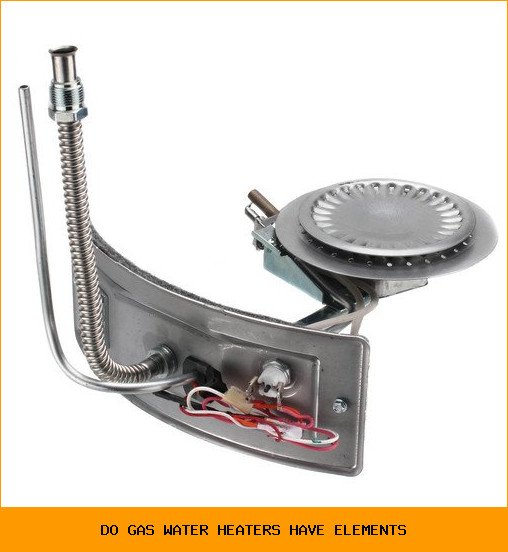
AO Smith 100112342 - K,FINAL BURNER ASSY,NAT,16",#37 ORIFICE
- K,FINAL BURNER ASSY,NAT,16",#37 ORIFICE
By the end, you’ll stop looking for elements that don’t exist and start diagnosing the real culprit.
If your gas water heater is older and the burner assembly is rusted or clogged, you might be looking at a full replacement part. The AO Smith 100112342 – K,FINAL BURNER ASSY,NAT,16″,#37 ORIFICE is a complete burner assembly for natural gas units. It includes the burner tube and the correct #37 orifice, so you don’t have to hunt down separate pieces. It’s a direct fix for a burner that won’t light or burns with a weak yellow flame.
The Short Answer: No, Gas Water Heaters Don’t Have Elements
Electric water heaters use metal heating elements that stick into the tank. These elements get red hot when electricity passes through them. The water absorbs that heat directly.
Gas water heaters use a completely different system. They burn natural gas or propane at the bottom of the tank. The hot exhaust gases rise up through a flue pipe that runs through the center of the tank. That pipe transfers heat to the water surrounding it.
So if you’re searching for a heating element on a gas unit, you’re wasting time. The part you’re actually looking for is the burner assembly. It sits in a combustion chamber below the tank, hidden behind a small access door at the bottom.
Myth #1: The Pilot Light Is the Main Heat Source
This is one of the most common misunderstandings. The pilot light is a small, continuous flame that stays lit all the time. It’s roughly the size of a candle flame.
The pilot’s only job is to ignite the main burner when the thermostat calls for heat. It does almost nothing to heat the water itself.
When you take a long shower, the water in the tank cools down. The thermostat senses this drop and opens the gas valve. Gas flows to the main burner, and the pilot ignites it. That main burner produces a flame that’s several inches tall and very hot. This is what actually heats your water.
If your pilot light goes out, you’ll still have hot water for a while. The tank is insulated, so the water stays warm for hours. But once it cools, you’ll get nothing but cold showers until you relight it.
Myth #2: A Gas Water Heater With No Hot Water Needs a New Tank
When the hot water stops working, most people assume the tank is done. That’s rarely the case. The tank itself is just a metal cylinder with insulation. It rarely fails suddenly.
The usual culprits are simpler:
- The pilot light went out
- The thermocouple is bad (it’s a safety device that shuts off gas if the pilot dies)
- The gas valve is faulty
- The burner is clogged with dust or corrosion
- The thermostat is miscalibrated
Each of these is repairable. A thermocouple costs about $10 and takes 20 minutes to replace. A gas valve is more expensive, but still cheaper than a new tank.
Before you call for a replacement, check the pilot. If it’s lit, look at the flame. A healthy burner flame should be blue with a small yellow tip. If it’s mostly yellow and lazy, the burner orifices are likely clogged. You can clean them with a wire brush or replace the burner assembly entirely.
That AO Smith assembly we mentioned earlier is a drop-in replacement for many models. It comes with the orifice pre-installed, so you don’t have to fiddle with tiny parts.
How the Burner Assembly Works (and Why It Fails)
The burner assembly is a metal tube with small holes or slits along its length. Gas flows through the orifice into the tube, then out through those holes. The pilot flame ignites the gas, and you get a row of small blue flames.
Over time, dust and debris get drawn into the combustion chamber. The air that feeds the burner carries tiny particles. These accumulate on the burner surface and block the holes. When that happens, the flame pattern becomes uneven. Some holes produce no flame at all, while others produce a weak yellow flame.
Yellow flame is a problem. It means incomplete combustion, which produces carbon monoxide. It also means the burner is wasting gas because it’s not transferring heat efficiently.
The orifice can also clog. It’s a tiny brass fitting with a precision-drilled hole that meters the gas flow. If that hole gets blocked, the burner gets too little gas and won’t produce enough heat. If it’s corroded, the flame might be too large and dangerous.
Most burner assemblies last 10 to 15 years. If your unit is older and the burner looks rusted or flaky, replacement is the right move. Cleaning might work temporarily, but the metal is likely corroded from years of moisture and heat.
Comparing Repair vs. Replacement Options
When your gas water heater stops working, you have a few paths. Here’s a practical comparison based on the actual failure mode.
| Problem | Typical Part | DIY Difficulty | Cost Range | Time to Fix |
|---|---|---|---|---|
| Pilot won’t stay lit | Thermocouple | Easy | $10 – $20 | 20 minutes |
| No gas to burner | Gas control valve | Hard (needs plumbing) | $150 – $300 | 1 – 2 hours |
| Weak yellow flame | Burner assembly | Moderate | $80 – $200 | 30 – 45 minutes |
| Water not hot enough | Thermostat adjustment | Easy | $0 | 5 minutes |
| Rusty tank, leaking | Whole unit | Professional | $800 – $1,500 | Half day |
Notice that most fixes are cheap and straightforward. The only time you need a new tank is when it’s physically leaking or the tank is rusted through. A leaking tank is obvious — you’ll see water pooling at the base. There’s no repair for that. The tank has corroded from the inside out.
Why the Burner Assembly Is Worth Replacing Instead of Cleaning
Some DIY guides tell you to clean the burner with a wire brush. That works if the burner is just dusty. But after a decade of heating cycles, the metal gets brittle. The holes wear out and become misshapen. You can brush it, but it won’t burn as cleanly as it should.
A new burner assembly gives you a fresh, properly sized orifice. That matters because the orifice diameter is matched to the BTU rating of your unit. If you clean the old one with a drill bit, you’ll enlarge the hole and mess up the gas-to-air ratio. The flame will be wrong, and you’ll waste gas or produce carbon monoxide.
That AO Smith part is a complete assembly, so you replace the entire burner tube and the orifice in one shot. It’s a safer bet than trying to resurrect a corroded part.
Common Questions People Ask About Gas Water Heater Elements
Can I convert my gas water heater to electric?
No, not practically. The tank is designed differently. An electric unit has openings for heating elements and a different thermostat system. Converting would require replacing the tank, which defeats the purpose. Buy the type you need.
Why does my gas water heater make a popping noise?
That’s sediment. Hard water deposits build up on the bottom of the tank. When the burner heats the tank, moisture trapped in the sediment boils and pops. It’s not harmful immediately, but it reduces efficiency. Drain a few gallons from the tank every six months to flush out the sediment.
How long does a gas water heater last?
Most last 8 to 12 years with regular maintenance. The tank eventually corrodes from the inside because the glass lining wears away. The burner and gas valve usually outlast the tank. If you replace the anode rod every few years, you can extend the life to 15 years or more.
Is it safe to replace a burner assembly myself?
If you’re comfortable working with gas lines and follow the manufacturer’s instructions, yes. The key is to turn off the gas supply and verify there are no leaks before you relight the pilot. Use a soapy water solution on the connections and look for bubbles. If you’re not confident, a plumber can do it in under an hour.
Why does my pilot light keep going out?
It’s almost always a bad thermocouple. This small copper tube sits in the pilot flame and generates a tiny electrical current. That current keeps the gas valve open. When the thermocouple wears out, it stops generating current, and the valve closes. Replacing it is the standard fix. It’s a cheap part and a simple swap.
What You Actually Need to Remember
- Gas water heaters have no heating elements. They use a burner and a flue pipe.
- The pilot light is just an igniter, not the main heat source.
- Cold water usually means a failed thermocouple, not a dead tank.
- Yellow flame means the burner is clogged and needs cleaning or replacement.
- Replacing a burner assembly is a DIY job if you can handle basic gas connections.
- Drain your tank twice a year to prevent sediment buildup and extend its life.
- If the tank is leaking, stop troubleshooting and start shopping for a new unit.


