Introduction
Imagine stepping into a bathroom on a cold winter morning. The chill in the air makes the experience less than pleasant. You wish for a warm, inviting space to ease into your day. For many homeowners, this scenario is all too familiar, especially in rooms with high ceilings where heating can be a challenge.
The ceiling height heating factor plays a crucial role in determining how effectively a space can be heated. This article will help you understand how ceiling height impacts heating efficiency and offer practical solutions to maintain comfortable temperatures in your home. You’ll also discover how products like the Bathroom Ceiling Heater can serve as efficient supplemental heating solutions.

jjxeqo
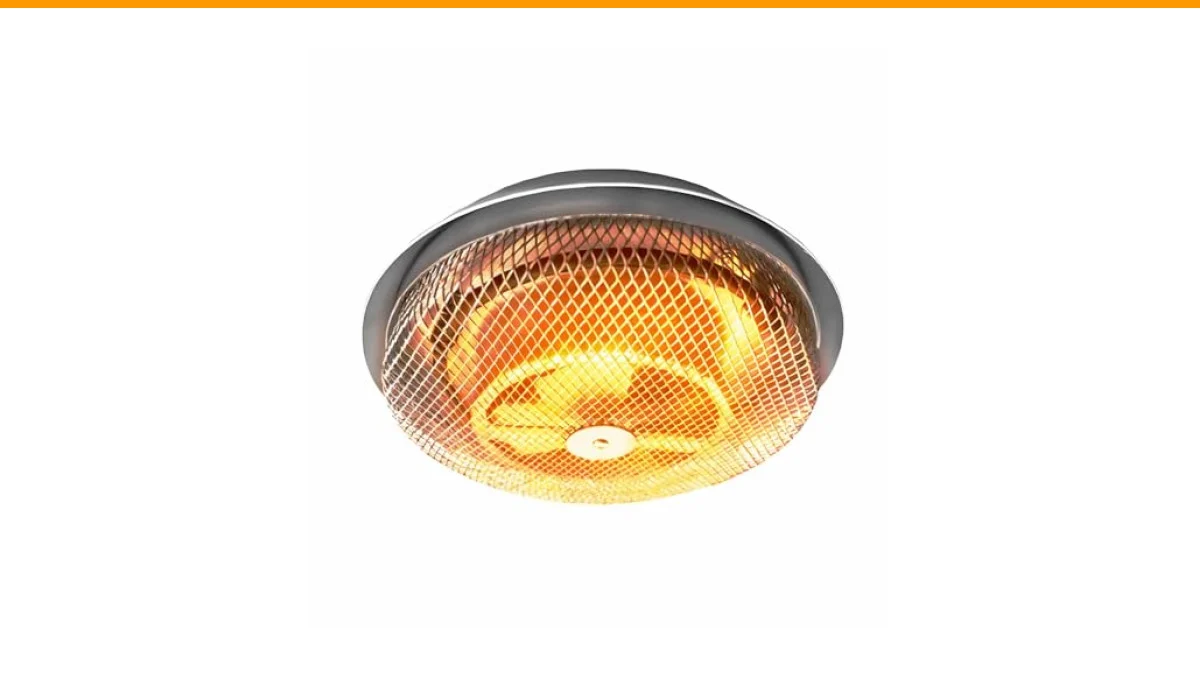
Bathroom Ceiling Heater,Replacement for Broan-NuTone 157 Low-Profile Fan Ceiling Heater, with Overheat Protection,1134W Rapid Heating, for Bathrooms, Kitchens, And Bedrooms, 5-Year Warranty
- 【Rapid Bathroom Warming】157 Bathroom Ceiling Heater utilizes advanced PTC ceramic heating elements to deliver 1134W heating power,…
- 【Safe Bathroom Ceiling Heater】157 Bathroom Ceiling Heater incorporates an advanced overheat protection system and a new high-tempe…
- 【Quick Installation】157 Bathroom Ceiling Heater features a newly upgraded built-in mounting hook (installation takes just 5 minute…
The Bathroom Ceiling Heater is designed specifically for areas like bathrooms and kitchens. With its rapid heating capability of 1134W, it quickly warms up spaces, ensuring comfort without the lengthy wait. Its advanced safety features and easy installation make it a practical choice for those looking to improve their indoor climate.
The Impact of Ceiling Height on Heating Efficiency
Ceiling height directly influences how heat circulates within a room. Higher ceilings can lead to more significant heat loss, as warm air rises above the zone where most occupants reside. For example, in a room with an 8-foot ceiling, the heating factor is typically more manageable than in a room with a 12-foot ceiling.
To quantify this impact, consider that for every foot of additional ceiling height, the volume of air needing to be heated increases significantly. A standard 10×10 room with an 8-foot ceiling has a volume of 800 cubic feet. If you raise the ceiling to 12 feet, that volume expands to 1,200 cubic feet, making it 50% more air to heat. This increase can lead to higher energy bills and less comfort.
In practical terms, this means that if you have high ceilings, you may need more powerful heating solutions or supplemental heat sources to maintain a comfortable environment.
Choosing the Right Heating Solution
When selecting a heating solution for a space with high ceilings, consider the following:
- Heating Capacity: Look for heaters with higher wattage ratings. For example, the 1134W capacity of the Bathroom Ceiling Heater is well-suited for medium-sized spaces.
- Type of Heater: Ceiling-mounted heaters can be particularly effective. They provide direct heat where it’s most needed while keeping floor space clear.
- Supplemental Heating: Using a supplemental heater, like the Bathroom Ceiling Heater, allows you to target specific areas that may need extra warmth without overworking your central heating system.
As a pro tip, consider using a ceiling fan in reverse mode during winter to help distribute warm air that gathers near the ceiling. This can enhance the overall efficiency of your heating system.
Comparative Options for Heating Solutions
| Heating Type | Heating Capacity (W) | Installation Difficulty | Best Used In |
|---|---|---|---|
| Baseboard Heater | 750-1500 | Moderate | Living Rooms, Bedrooms |
| Wall-Mounted Heater | 1000-2026 | Easy | Bathrooms, Kitchens |
| Ceiling Heater | 1134 | Easy | Bathrooms, High Ceilings |
| Portable Heater | 1500 | Very Easy | Small Spaces, Offices |
FAQs About Ceiling Height Heating Factors
1. How does ceiling height affect heating costs?
Higher ceilings lead to more air volume that needs heating, which can increase energy costs. The larger space requires more powerful heating solutions to maintain comfort.
2. Are ceiling heaters effective for tall rooms?
Yes, ceiling heaters are designed to provide direct heat to areas where people spend time. They can effectively warm high-ceiling spaces when used appropriately.
3. Can I use a standard heater in a room with a high ceiling?
While standard heaters can be used, they may not be as efficient. Consider powerful or supplemental heating options for better results.
4. What is the best placement for ceiling heaters?
Ceiling heaters should be installed in the center of the room or above areas where people frequently gather for optimal heat distribution.
5. How can I improve heating efficiency in a room with high ceilings?
Use a combination of ceiling fans to circulate warm air, choose effective heating units like the Bathroom Ceiling Heater, and ensure proper insulation to minimize heat loss.
Practical Tips for Homeowners
- Measure your room’s height and volume to determine heating needs.
- Choose heaters with adjustable settings for better temperature control.
- Consider installing multiple heating sources in larger rooms.
- Regularly maintain heating systems for optimal performance.
- Invest in energy-efficient models to save on utility bills.
- Use rugs and curtains to help retain warmth in the room.
- Consult with a heating specialist for tailored solutions.



