As winter settles in, many homeowners seek ways to maximize comfort and efficiency in their living spaces. One often overlooked method is reversing a ceiling fan’s direction. This simple adjustment can help distribute warm air collected near the ceiling, making your home feel cozier and reducing heating costs. In this article, you’ll learn the benefits of reversing your ceiling fan in winter, the steps to do it, and how a compatible remote control can make the process easier.
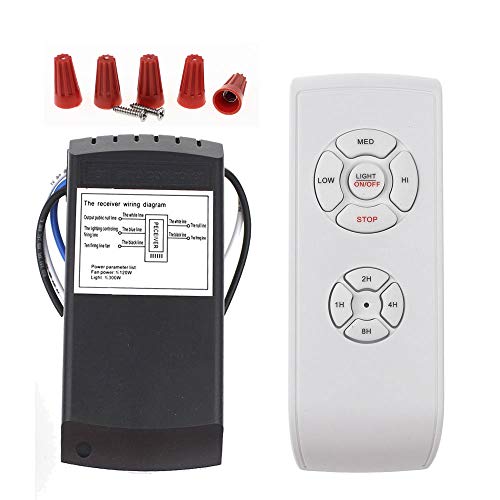
For those concerned about the hassle of adjusting their ceiling fan, the LPHUMEX Universal Ceiling Fan Remote Control Kit offers a convenient solution. This remote control kit allows you to change fan speeds and light settings without climbing a ladder or pulling chains, making it an excellent addition to any ceiling fan.
LPHUMEX
LPHUMEX Universal Ceiling Fan Remote Control Kit, 3-in-1 AC Motor Ceiling Fan Light Timing & Speed Remote, for Hunter/Harbor Breeze/Westinghouse/Honeywell/Other Ceiling Fan lamp
- ☞Easy Installation - Installation of the Universal Ceiling Fan Remote Controls Kit is a breeze, and the looks of the remote are se…
- 🛑 STRICT COMPATIBILITY CHECK — AC MOTORS ONLY! DO NOT BUY if your ceiling fan has a DC motor! This universal kit is designed stric…
- 📏 MEASURE BEFORE BUYING — RECEIVER SIZE 4.53"x1.97"x1.06" CRITICAL: Please measure your ceiling fan canopy (top base) space before…

Understanding the Benefits of Reversing a Ceiling Fan in Winter
Reversing a ceiling fan in winter can provide several advantages:
- Improved Warmth: Hot air rises, causing warm air to gather near the ceiling. Reversing the fan’s direction pushes this warm air down, creating a more even temperature throughout the room.
- Energy Efficiency: By redistributing warm air, you may find that you can lower your thermostat by a few degrees, leading to energy savings on your heating bill.
- Enhanced Comfort: A more consistent temperature reduces cold spots in the room, making it more comfortable for everyone.
How to Reverse a Ceiling Fan: Step-by-Step Guide
Reversing your ceiling fan is typically a straightforward process. Here’s how to do it:
- Turn Off the Fan: Always start by switching off the fan at the wall or using the remote control.
- Locate the Direction Switch: Most ceiling fans have a small switch on the motor housing. This switch toggles the fan’s direction.
- Change the Direction: Slide the switch to the opposite position. If your fan is set to turn clockwise, switch it to counterclockwise (or vice versa).
- Turn the Fan Back On: Finally, turn the fan back on and set it to a low speed. This will help circulate the warm air without creating a chilly breeze.
Note: If your fan uses a remote control, the process may vary. The LPHUMEX Universal Ceiling Fan Remote Control Kit allows you to change the fan’s direction easily via the remote, removing the need to access the fan directly.
Comparing Different Methods to Reverse a Ceiling Fan
| Method | Ease of Use | Compatibility | Cost |
|---|---|---|---|
| Manual Switch | Moderate | All standard fans | Free |
| Remote Control | Easy | Compatible with AC motors only | Check current price on Amazon |
| Smart Home Integration | Very Easy | Smart fans only | Varies by system |
Frequently Asked Questions
1. Can I reverse my ceiling fan in winter if it has a remote control?
Yes, many modern ceiling fans with remote controls allow you to reverse the direction easily. Just check your remote for a reverse button or use a compatible remote kit like the LPHUMEX Universal Ceiling Fan Remote Control Kit.
2. What direction should my ceiling fan go in winter?
In winter, your ceiling fan should rotate clockwise when viewed from below. This direction pushes warm air down into the living space.
3. Is it worth reversing my ceiling fan in winter?
Yes, reversing your ceiling fan can improve comfort and reduce heating costs. It helps distribute warm air evenly, making your home feel warmer without overworking your heating system.
4. How often should I reverse my ceiling fan?
It’s best to reverse your ceiling fan at the beginning of each season. In winter, set it to clockwise, and in summer, switch to counterclockwise to create a cooling breeze.
5. Will all ceiling fans reverse direction?
Most ceiling fans have a reverse function, but it’s crucial to check your specific model. If your fan is older or has a DC motor, the reverse feature may not be available.
Final Thoughts on Reversing a Ceiling Fan in Winter
- Reversing your ceiling fan can improve warmth and comfort during winter months.
- Use the fan on a low speed to effectively circulate warm air.
- A compatible remote control, like the LPHUMEX kit, can simplify the process.
- Regularly check your fan’s direction with the changing seasons.
- Ensure that your fan is compatible with any remote control kit you consider purchasing.
- Reversing the fan may lead to energy savings on heating costs.
- Keep your living spaces cozy and inviting by maintaining an even temperature throughout the room.



