Imagine it’s the first chilly evening of fall. You pull out your ceramic heater, eager to warm up your space. You plug it in, and a few minutes later, an unexpected burning dust smell fills the air. This scenario is common, especially for those using ceramic heaters for the first time. While it might raise alarm bells, understanding why this happens can help ease concerns and ensure a safe and comfortable heating experience.
In this article, we’ll explore the reasons behind the burning dust smell when using a ceramic heater for the first time. You’ll also learn how to minimize or avoid it in the future. Additionally, we will introduce a reliable option, the Amazon Basics Ceramic Space Heater, which provides efficient heating with safety features.

Amazon Basics
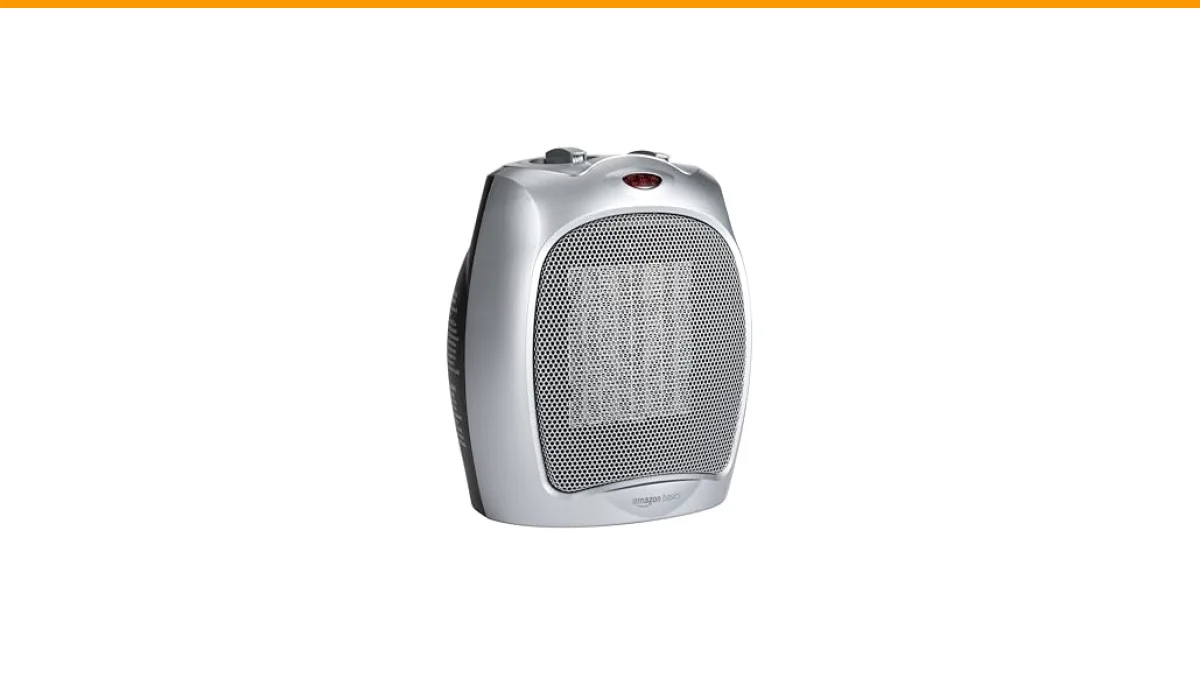
Amazon Basics Ceramic Space Heater, Portable Indoor Heating Solution, With Overheat and Tip-Over Protection, Thermostat, Non-Oscillating, 1500W, Fast Heating, 7.52"D x 6.34"W x 9.45"H, Silver
- CUSTOMIZABLE HEATING OPTIONS: Choose from three settings to suit your needs - High (1500W), Low (900W), or Fan Only for air circul…
- COMPACT & PORTABLE: Weighing just 3 lbs and sized at 7.5“L x 6.3”W x 9.5“H, this space heater is easy to move and perfect for your…
- Built-in Tip-Over Protection, Overheat Protection, and a Power Indicator Light for safe operation.
When you first use a ceramic heater, you may notice a burning smell. This is typically due to dust particles that have settled on the heating elements inside the heater. When the heater is turned on, these particles burn off, leading to that distinct odor. While it can be alarming, this is a normal occurrence for many electric heaters, especially if they are newly manufactured or stored without adequate cleaning.
 Why does my baseboard heater smell like it’s burning?Watch on YouTube
Understanding the Burning Dust Smell
The burning dust smell comes from a few key factors:
- Manufacturing Residues: New ceramic heaters often have manufacturing oils or residues, which can burn off during initial use.
- Dust Accumulation: If the heater has been stored for a while, dust can accumulate on the heating elements. When heated, this dust will burn and create an odor.
- Heating Elements: Ceramic heaters work by converting electricity into heat through ceramic plates. The initial heat can cause any residual dust or particles to burn off, leading to that smell.
Typically, this smell should dissipate after a few uses. If the odor persists or intensifies, it may indicate an underlying issue, such as an electrical problem or a malfunctioning component, which should be investigated.
How to Minimize the Smell
To reduce the chance of experiencing a burning dust smell during the first use of your ceramic heater, consider these tips:
- Clean the Heater: Before first use, wipe down the exterior and the air intake vents. Use a dry cloth to remove any dust buildup.
- Run it in a Well-Ventilated Area: Place the heater near an open window or in a well-ventilated space during its first operation. This will help disperse any initial odors more quickly.
- Allow Initial Heating Time: Let the heater run for about 30 minutes on a low setting. This allows any manufacturing residues or dust to burn off without overwhelming your indoor air quality.
Choosing a Reliable Ceramic Heater
The Amazon Basics Ceramic Space Heater is a solid choice for those in search of portable indoor heating solutions. It has customizable heating options, including high (1500W) and low (900W) settings, making it versatile for different environments. It also features built-in overheat and tip-over protection, ensuring safe operation—an essential aspect when using any heater.
Comparison Table of Ceramic Heaters
| Model | Power Settings | Safety Features | Noise Level |
|---|---|---|---|
| Amazon Basics Ceramic Space Heater | High (1500W), Low (900W), Fan Only | Overheat Protection, Tip-Over Protection | 43 dB |
| XYZ Ceramic Heater | High (1500W), Low (750W) | Overheat Protection | 50 dB |
| ABC Portable Ceramic Heater | High (1500W), Low (900W), Eco Mode | Tip-Over Protection | 40 dB |
Frequently Asked Questions
Why does my ceramic heater smell like burning plastic?
The burning plastic smell may stem from manufacturing residues or from plastic components heating up. This should dissipate after a few uses. If it persists, check for any visible damage.
Is the smell harmful?
Generally, the burning dust smell is not harmful and is a normal part of the heating process for new appliances. However, if you notice thick smoke or a persistent odor, it’s best to turn off the heater and consult the manufacturer.
How long does the burning smell last?
For most ceramic heaters, the burning dust smell should fade within a few hours of use. If the smell continues for more than a day, it may indicate a different issue.
Can I leave the heater unattended?
It’s advisable not to leave any heater unattended, especially during its first use. Always monitor your heater to ensure it operates safely.
What if the smell doesn’t go away?
If the smell persists beyond the initial uses, check for any visible signs of damage or malfunction. Consider consulting a professional or contacting the manufacturer for further guidance.
Final Thoughts
- The burning dust smell from ceramic heaters is common during first use, often due to dust or manufacturing residues.
- Clean your heater before first use to minimize odors.
- Run the heater in a well-ventilated area initially.
- The Amazon Basics Ceramic Space Heater offers safety features and efficiency for home or office use.
- Monitor your heater during first use to ensure safe operation.
- If the smell continues, consult with the manufacturer.
- Enjoy the warmth and comfort that a ceramic heater can provide, knowing how to manage its initial quirks.