When the temperature drops, many people turn to ceramic heaters for warmth. These compact and portable devices offer quick heat, making them a popular choice for homes and offices. However, encountering a burning smell from a ceramic heater can be alarming. Understanding the causes of this odor and how to address it is essential for safe and effective heating.
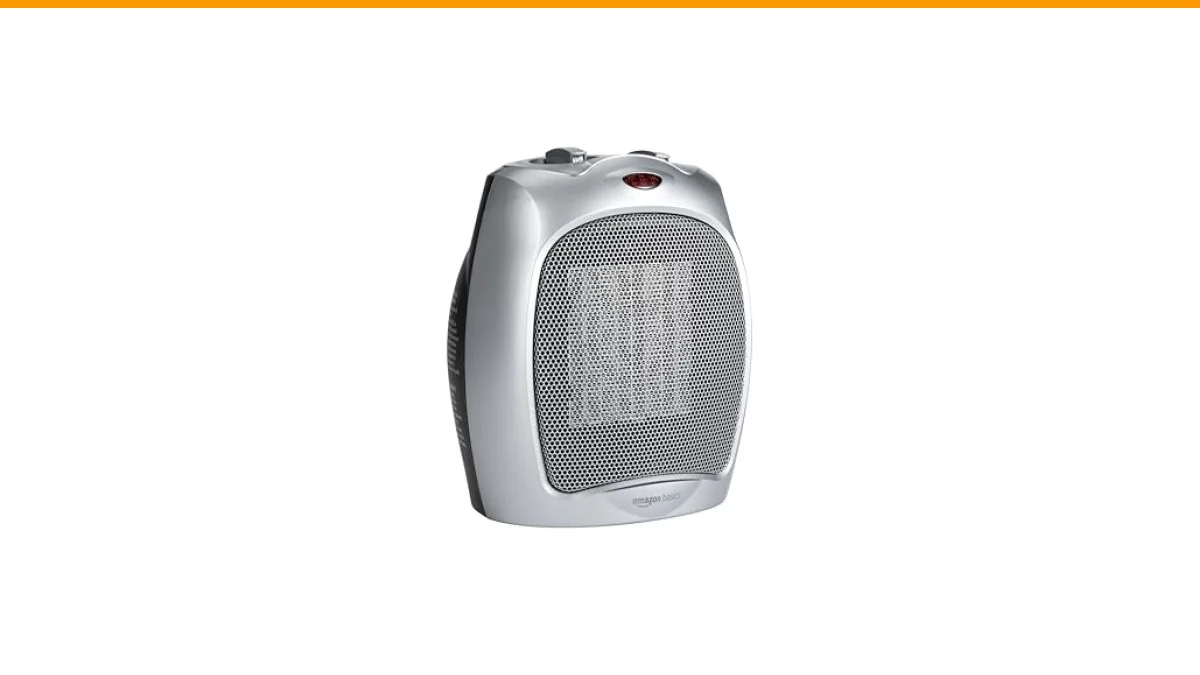
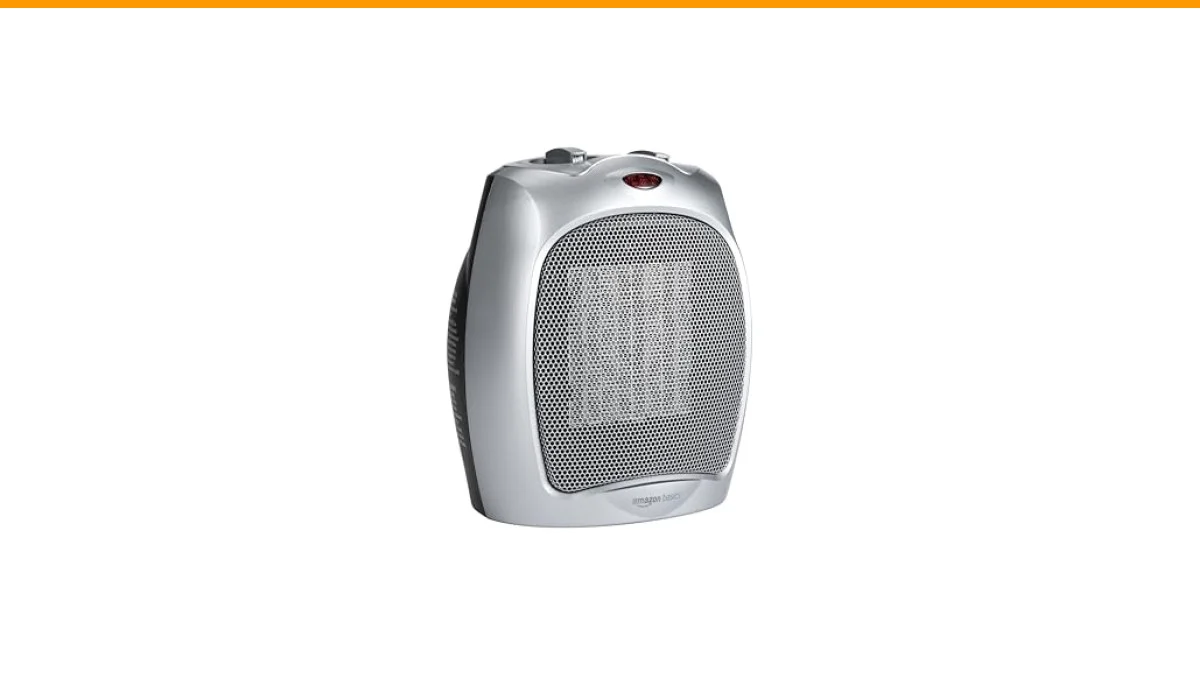
This article will guide you through the potential reasons your ceramic heater smells like burning, how to troubleshoot the issue, and when to seek professional help. You’ll also learn about a reliable product that can help keep your space warm without the worry of strange odors: the Amazon Basics Ceramic Space Heater. This heater features customizable heating options, safety mechanisms, and rapid heating technology, making it an excellent choice for indoor heating.

Amazon Basics
Amazon Basics Ceramic Space Heater, Portable Indoor Heating Solution, With Overheat and Tip-Over Protection, Thermostat, Non-Oscillating, 1500W, Fast Heating, 7.52"D x 6.34"W x 9.45"H, Silver
- CUSTOMIZABLE HEATING OPTIONS: Choose from three settings to suit your needs - High (1500W), Low (900W), or Fan Only for air circul…
- COMPACT & PORTABLE: Weighing just 3 lbs and sized at 7.5“L x 6.3”W x 9.5“H, this space heater is easy to move and perfect for your…
- Built-in Tip-Over Protection, Overheat Protection, and a Power Indicator Light for safe operation.
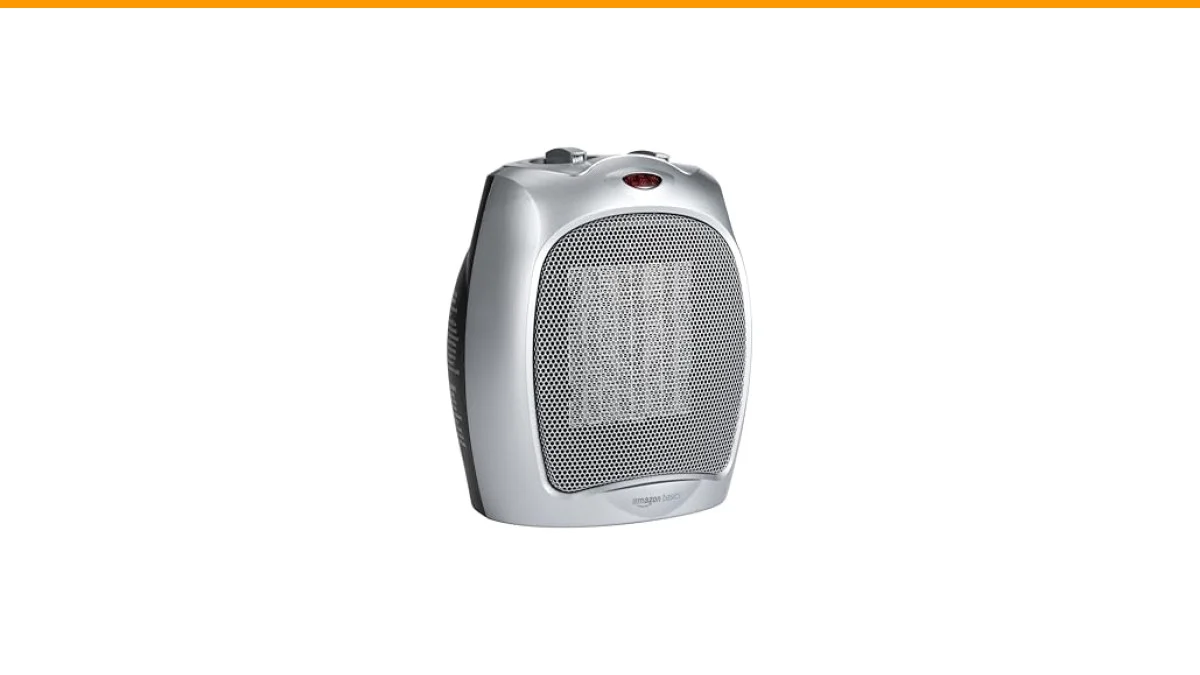
 Burning Smell? Clean The Ceramic Space HeaterWatch on YouTube
Common Causes of a Burning Smell
Several factors can contribute to a burning smell emanating from your ceramic heater:
- Dust Accumulation: Dust can accumulate on the heating elements and inside the unit. When the heater is turned on, this dust burns off, resulting in a temporary burning smell. Regular cleaning can help mitigate this.
- Overheating: If your heater is running continuously, it may overheat, which can cause a burning odor. Most modern heaters come with built-in overheat protection, but it’s still critical to monitor their usage.
- Electrical Issues: Damaged wiring or components can produce a burning smell. If you hear unusual noises or notice flickering lights, turn off the heater immediately and consult a professional.
- New Heater Odors: If the heater is new, it may emit a burning smell as manufacturing residues burn off. This usually dissipates within the first few uses.
When to Worry
While a burning smell can often be harmless, certain signs indicate a more serious issue. If the smell persists beyond the initial use, or if you notice smoke or an unusual noise, it’s essential to take action.
Here are some signs that suggest you should stop using the heater:
- Persistent burning smell after initial use
- Visible smoke or flames
- Frequent tripping of circuit breakers
- Burning smell accompanied by electrical buzzing noise
In these cases, turn off the heater immediately and unplug it. Contact a qualified electrician or technician for further assessment.
Maintenance Tips for Your Ceramic Heater
Regular maintenance can prolong the life of your ceramic heater and minimize unpleasant odors. Here are some practical tips:
- Dust Regularly: Clean the exterior and interior of the heater to prevent dust build-up. Use a soft cloth and a vacuum with a brush attachment for hard-to-reach areas.
- Check the Wiring: Periodically inspect the power cord and plug for any signs of damage. If you spot fraying or exposed wires, discontinue use immediately.
- Use in a Well-Ventilated Area: Ensure that the space where you place your heater allows for airflow. This can help prevent overheating.
- Follow Manufacturer Guidelines: Adhere to the usage and maintenance instructions provided in the user manual. This will help ensure safe and efficient operation.
Comparison of Ceramic Heater Options
| Model | Power (W) | Features | Safety Features |
|---|---|---|---|
| Amazon Basics Ceramic Space Heater | 1500W / 900W | Compact, Portable, Thermostat | Overheat Protection, Tip-Over Protection |
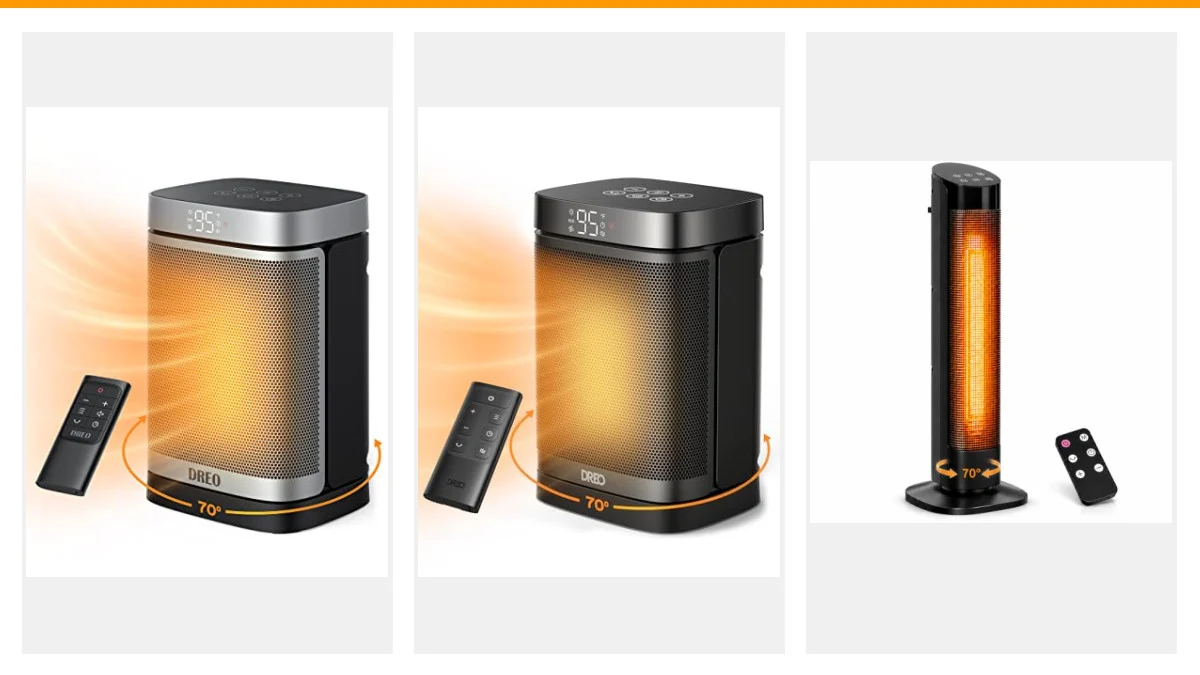
| Dreo Ceramic Heater | 1500W | Oscillation, Remote Control | Overheat Protection, Tip-Over Protection |
| Honeywell Ceramic Heater | 1500W | Adjustable Thermostat | Overheat Protection, Tip-Over Protection |
What should I do if my ceramic heater smells like burning?
If your ceramic heater smells like burning, first turn it off and unplug it. Allow it to cool down and inspect for any visible dust or debris. If the smell persists after cleaning, consider consulting a professional.
Is a burning smell from a ceramic heater normal?
A slight burning smell may be normal for new heaters as manufacturing residues burn off. However, if the smell continues beyond initial use, it could indicate a problem.
Can I use my ceramic heater in a humid environment?
Using a ceramic heater in humid areas like bathrooms or laundry rooms is not recommended. Moisture can cause electrical components to malfunction.
How often should I clean my ceramic heater?
Clean your ceramic heater at least once a month, or more frequently during heavy use. Regular maintenance prevents dust build-up and improves efficiency.
What safety features should I look for in a ceramic heater?
Look for heaters with overheat protection, tip-over protection, and a power indicator light. These features enhance safety during operation.
Final Thoughts on Ceramic Heaters
- Dust accumulation can cause temporary burning smells, so clean regularly.
- Monitor for signs of overheating or electrical issues.
- Follow manufacturer guidelines for safe operation.
- Use in well-ventilated areas to prevent overheating.
- The Amazon Basics Ceramic Space Heater is a reliable option with essential safety features.
- Consider consulting a professional if issues persist.
- Regular maintenance enhances efficiency and safety.