As the chill of winter sets in, many of us turn to space heaters to keep warm. Among the various types available, ceramic heaters have gained popularity for their efficiency and safety features. Imagine coming home after a long day, stepping into a cozy room that feels like a warm embrace. This article breaks down the materials used in ceramic heaters, helping you understand their benefits and how they work.
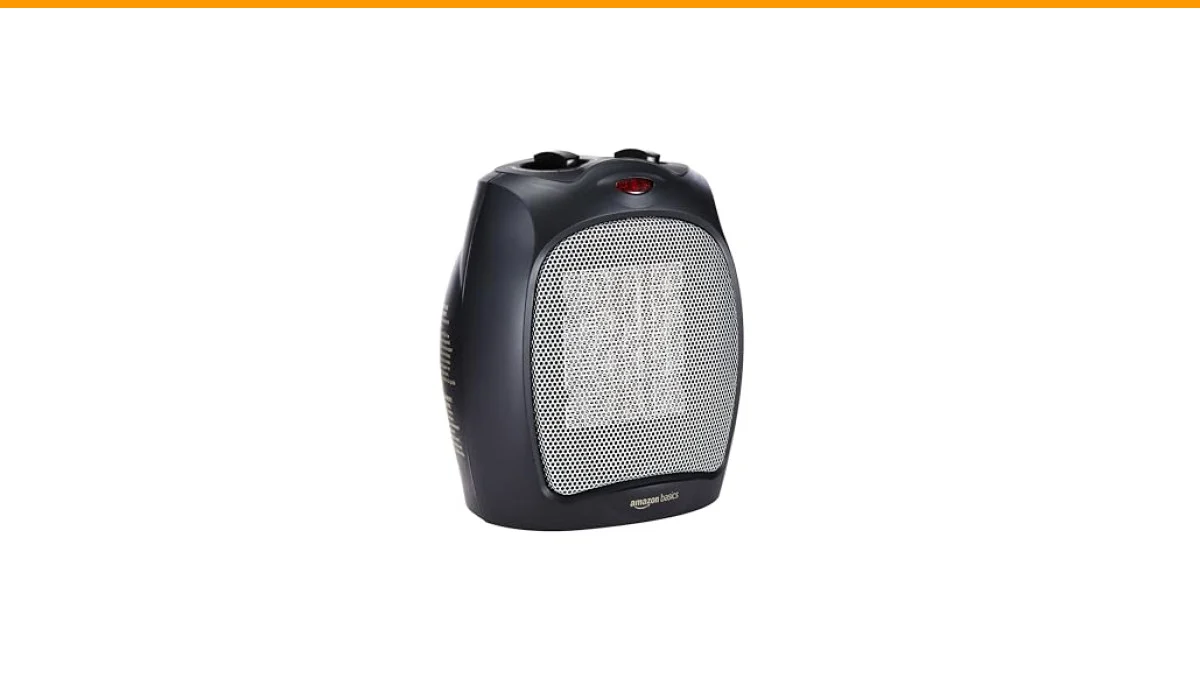
By the end of this article, you’ll have a solid grasp of ceramic heater materials and how they contribute to effective heating solutions. You’ll also find out how products like the Amazon Basics Ceramic Space Heater fit into this landscape, offering customizable heating options for your home or office.

Amazon Basics
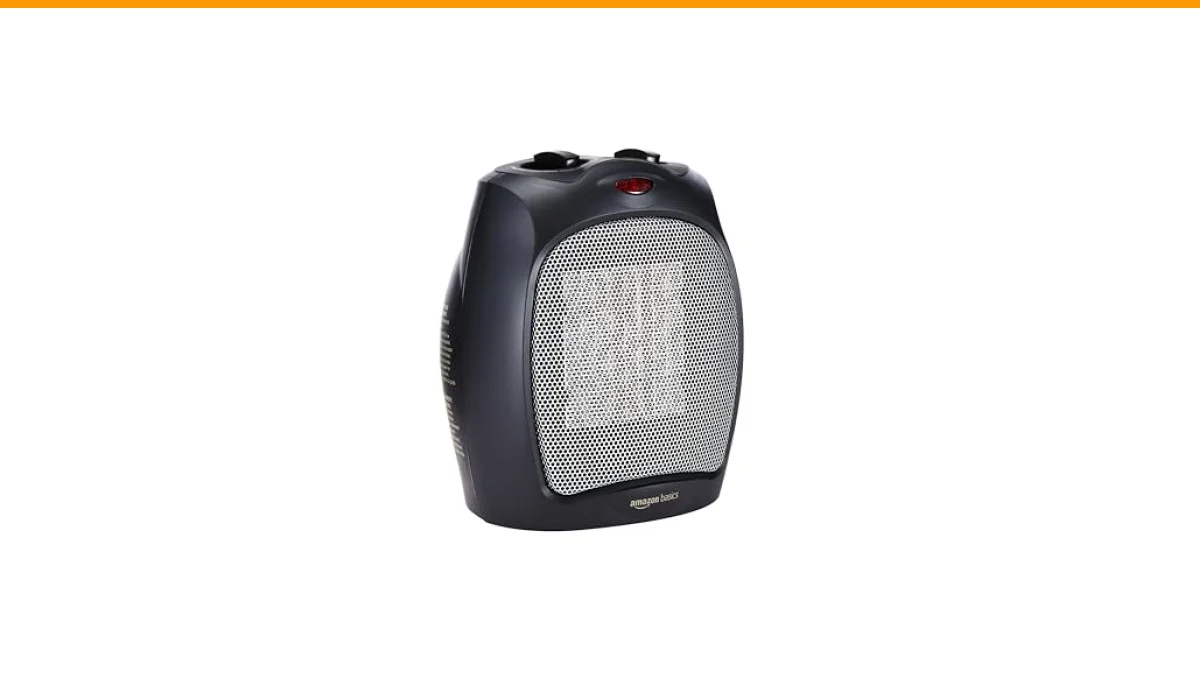
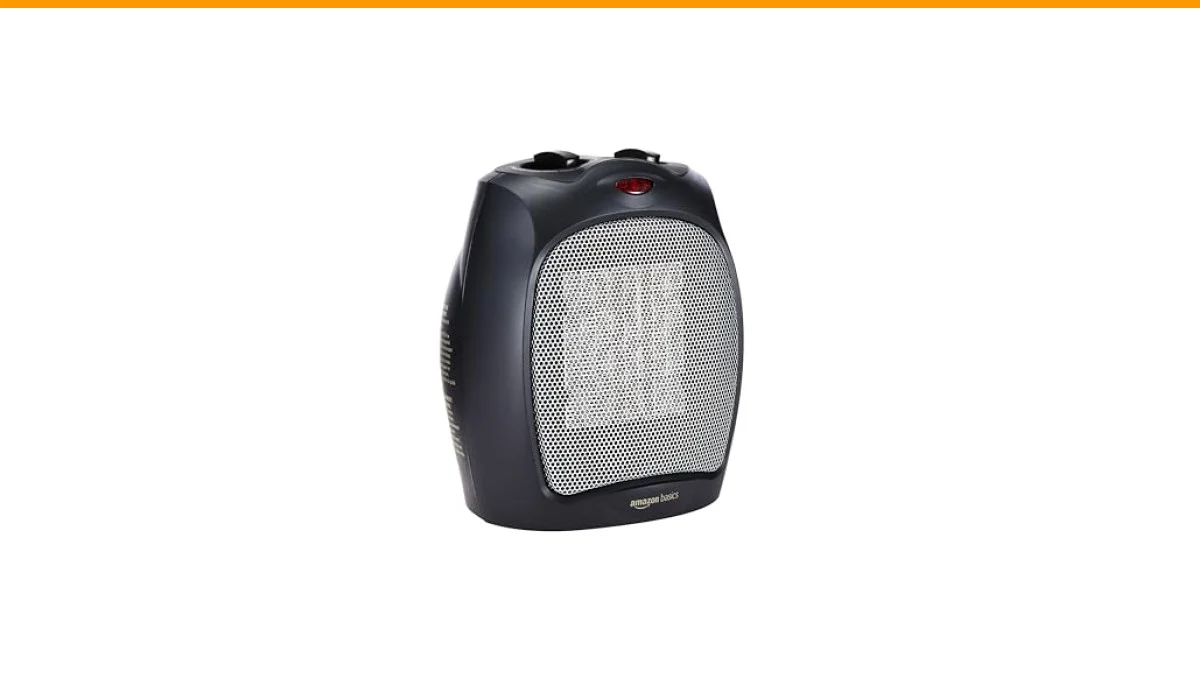
Amazon Basics Ceramic Space Heater, Portable Indoor Heating Solution, With Overheat and Tip-Over Protection, Thermostat, Non-Oscillating, 1500W, 7.52"D x 6.34"W x 9.45"H, Black
- CUSTOMIZABLE HEATING OPTIONS: Choose from three settings to suit your needs - High (1500W), Low (900W), or Fan Only for air circul…
- COMPACT & PORTABLE: Weighing just 3 lbs and sized at 7.5“L x 6.3”W x 9.5“H, this space heater is easy to move and perfect for your…
- Built-in Tip-Over Protection, Overheat Protection, and a Power Indicator Light for safe operation.
Ceramic Heater Materials Explained
Ceramic heaters utilize two main materials: ceramic and metal. The combination of these materials allows for rapid heating and energy efficiency, making them ideal for indoor use.
 Ceramic Heaters: The Complete GuideWatch on YouTube
Understanding Ceramic Material
Ceramic is a non-metallic, inorganic solid made from a combination of clay, earthen minerals, and other compounds. These materials are subjected to high temperatures during the manufacturing process, resulting in a strong, durable substance. In ceramic heaters, the ceramic element serves as a heating surface when electricity flows through it.
One of the most significant advantages of ceramic materials is their ability to retain and radiate heat. This property enables ceramic heaters to warm up quickly and maintain a consistent temperature, which is vital for energy efficiency. For instance, ceramic heaters can reach their optimal temperature in just a few minutes, making them suitable for quick warmth in various settings.
The Role of Metal Components
While ceramic is the primary heating element, metal components play a crucial role in ceramic heaters as well. Metals like aluminum or copper are often used in the construction of the heating element. These metals are excellent conductors of electricity, ensuring efficient heating and quick transfer of warmth to the ceramic material.
Additionally, metal components contribute to the overall durability of the heater. They can withstand higher temperatures and are less likely to warp or corrode over time. However, the combination of metal and ceramic also requires careful design to prevent overheating and ensure safety.
Safety Features in Ceramic Heaters
Safety is a primary concern for any heating device, and ceramic heaters often come equipped with features that enhance user safety. Many models, including the Amazon Basics Ceramic Space Heater, feature:
- Tip-Over Protection: Automatically shuts off the heater if it’s knocked over.
- Overheat Protection: Prevents the unit from overheating by shutting off if it reaches a dangerous temperature.
- Thermostat Control: Allows users to set their preferred temperature, helping maintain comfort without excessive energy use.
These safety features are vital for use in households with children or pets, ensuring peace of mind while enjoying the warmth.
Comparison of Ceramic Heater Materials
| Material | Advantages | Disadvantages |
|---|---|---|
| Ceramic | Retains heat well, heats quickly, durable | Can be heavier, may take longer to cool down |
| Metal (Aluminum/Copper) | Excellent conductor, lightweight, durable | Can get too hot, requires careful design to prevent overheating |
What is a ceramic heater made of?
A ceramic heater is primarily made of ceramic material combined with metal components to enhance conductivity and durability.
Are ceramic heaters energy efficient?
Yes, ceramic heaters are generally energy efficient, heating up quickly and providing consistent warmth with minimal energy consumption.
Can ceramic heaters be used in bathrooms?
Most ceramic heaters, including the Amazon Basics model, should not be used in high-moisture areas like bathrooms due to safety concerns.
How do ceramic heaters compare to other types?
Ceramic heaters heat up faster and maintain temperature better than many other types, such as oil-filled radiators, which take longer to warm up.
What safety features should I look for?
Look for tip-over protection, overheat protection, and thermostat control to ensure safe operation of your ceramic heater.
Takeaways for Choosing a Ceramic Heater
- Choose ceramic heaters for quick and efficient heating.
- Look for models with essential safety features.
- Consider the size and portability for your space.
- Understand the materials used for durability and performance.
- Always follow manufacturer guidelines for safe use.
- Explore related options for specific heating needs, such as portable space heaters.