 Ceramic VS Infrared (What Is The BEST Room Heater in 2025)Watch on YouTube
Understanding Ceramic Heaters
Ceramic heaters are popular for providing efficient, targeted warmth in various settings. They’re often used as supplemental heating solutions in homes and offices. With their compact designs and rapid heating capabilities, they can quickly make a cold room feel cozy.
When considering how many watts to heat a room with a ceramic heater, it’s crucial to understand that wattage directly influences heating capacity. Generally, the higher the wattage, the larger the space a heater can effectively warm. This article will guide you through calculating the wattage needed for your specific room size and conditions.

Amazon Basics
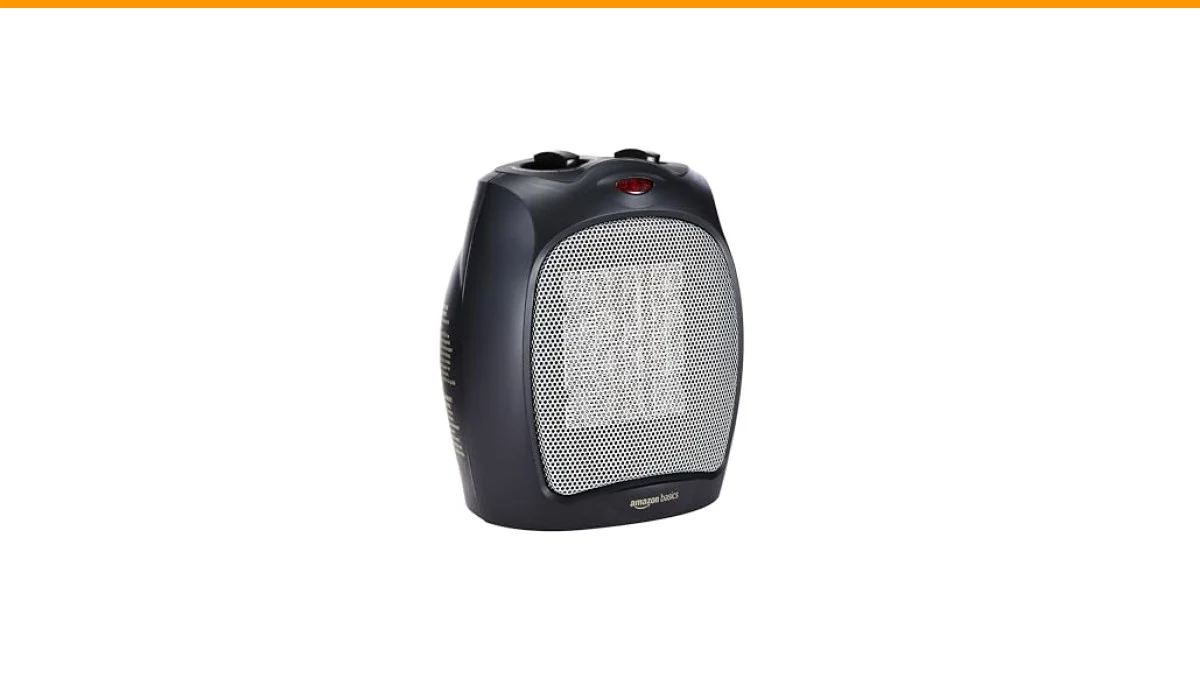
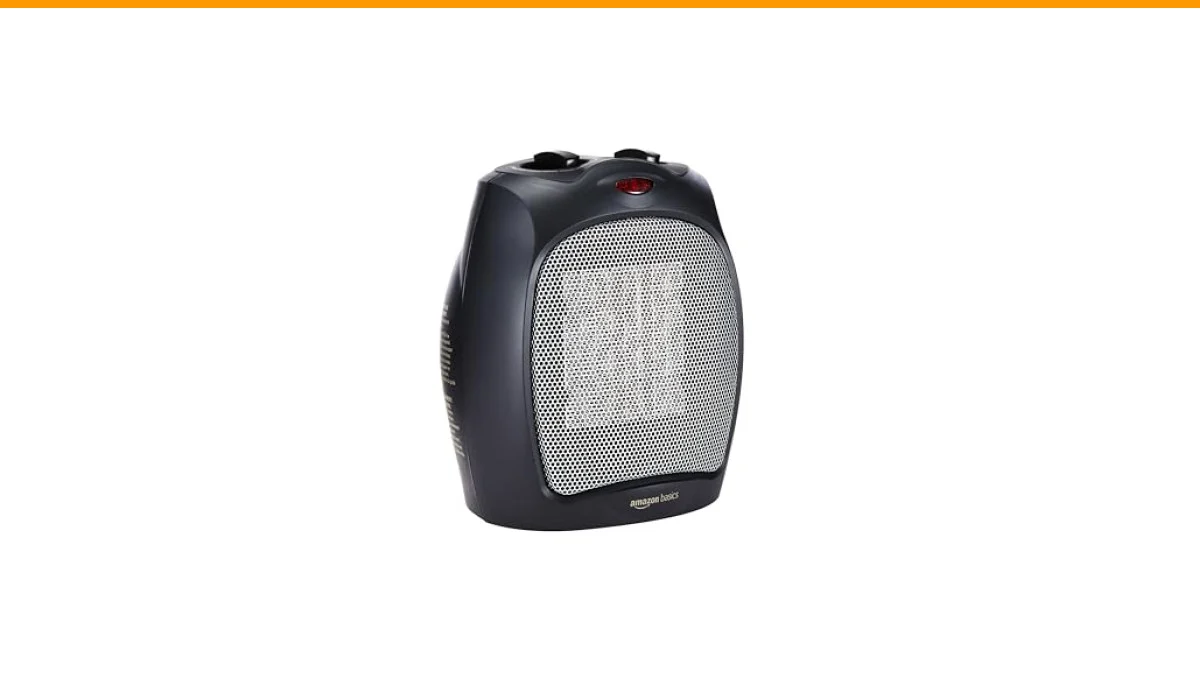
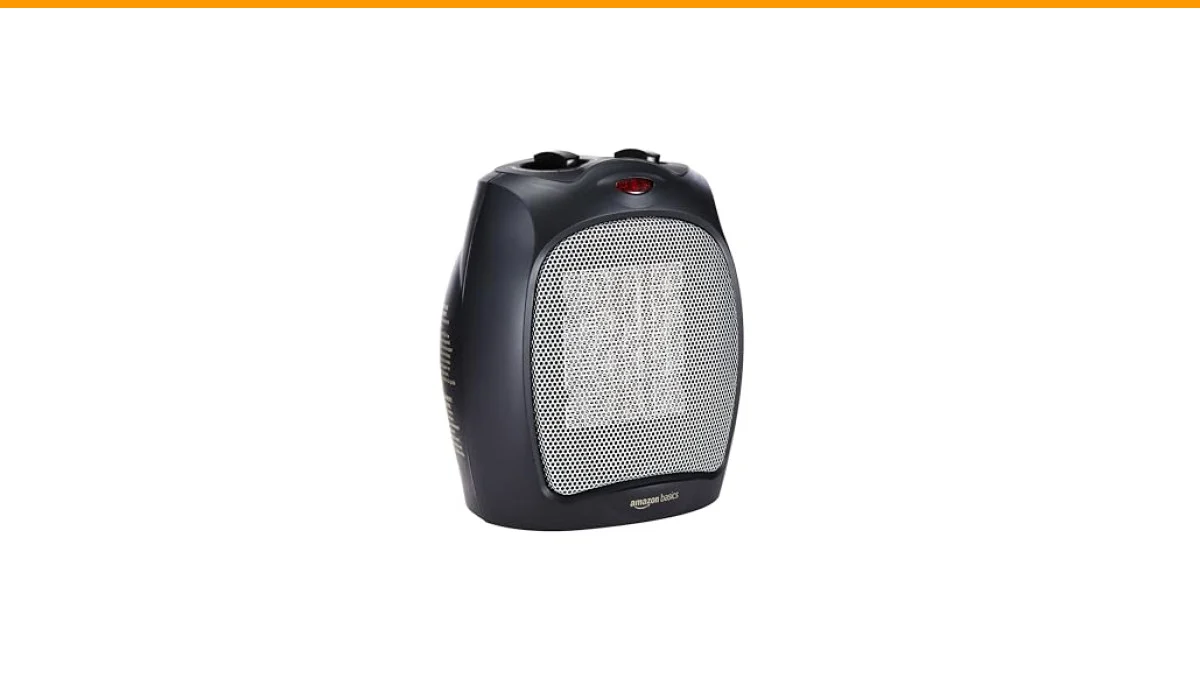
Amazon Basics Ceramic Space Heater, Portable Indoor Heating Solution, With Overheat and Tip-Over Protection, Thermostat, Non-Oscillating, 1500W, 7.52"D x 6.34"W x 9.45"H, Black
- CUSTOMIZABLE HEATING OPTIONS: Choose from three settings to suit your needs - High (1500W), Low (900W), or Fan Only for air circul…
- COMPACT & PORTABLE: Weighing just 3 lbs and sized at 7.5“L x 6.3”W x 9.5“H, this space heater is easy to move and perfect for your…
- Built-in Tip-Over Protection, Overheat Protection, and a Power Indicator Light for safe operation.
The Amazon Basics Ceramic Space Heater is a great example, offering three customizable settings: High (1500W), Low (900W), and Fan Only for air circulation. Its portable design makes it easy to move to different rooms as needed.
How to Calculate Required Wattage for Your Room
Calculating how many watts to heat a room with a ceramic heater involves a few key factors, such as room size, insulation quality, and local climate conditions. A common rule of thumb is to allocate about 10 watts per square foot of space:
- A 100-square-foot room would require approximately 1,000 watts.
- A 200-square-foot room would need around 2,000 watts.
This simple calculation provides a good starting point, but adjustments may be necessary based on insulation and other factors. For instance, a well-insulated room may require less wattage, while a poorly insulated space may need more.
Factors Influencing Heating Efficiency
Several factors affect the efficiency of ceramic heaters:
- Room Size: Larger rooms need more wattage to heat effectively.
- Insulation Quality: Good insulation retains heat, reducing the wattage needed.
- Ceiling Height: Higher ceilings may require more power for even heating.
- Climate: Colder climates will necessitate higher wattage settings.
For example, in a drafty room, consider using a heater with higher wattage or a model with better insulation features. If you’re unsure, try starting with a heater like the Amazon Basics model, which has settings to adjust based on your comfort level.
Comparing Ceramic Heaters with Other Heating Options
Ceramic heaters have distinct advantages compared to other heating options such as traditional radiators or electric baseboard heaters. Here’s a quick comparison:
| Feature | Ceramic Heaters | Traditional Radiators | Electric Baseboard Heaters |
|---|---|---|---|
| Heating Speed | Fast heating | Slower to warm up | Moderate |
| Portability | Highly portable | Fixed location | Fixed location |
| Energy Efficiency | High | Varies | Moderate |
| Initial Cost | Low | Higher | Moderate |
Ceramic heaters are typically more energy-efficient and portable than traditional options. If you frequently move between rooms, a ceramic heater is likely the best choice.
Safety Features and Best Practices
Safety is paramount when using ceramic heaters. The Amazon Basics model includes built-in tip-over and overheat protection, which are crucial for preventing accidents. Here are some best practices:
- Always place the heater on a flat surface.
- Keep flammable materials at least three feet away.
- Turn it off when leaving the room.
These safety features help ensure peace of mind while enjoying the warmth of a ceramic heater.
Cost Analysis of Operating Ceramic Heaters
Understanding the operating costs of ceramic heaters is essential for budget-conscious consumers. A 1500-watt heater running for 5 hours would consume 7.5 kWh. If your electricity rate is $0.12 per kWh, the cost would be:
7.5 kWh x $0.12 = $0.90 per day.
This cost can vary based on usage patterns and local electricity rates. Using a lower wattage setting when possible can also help reduce costs.
Maintenance and Care for Longevity
Taking care of your ceramic heater will extend its lifespan. Regular cleaning is essential for optimal performance. Dust and debris can accumulate on heating elements, reducing efficiency. Here are a few maintenance tips:
- Unplug and clean the exterior regularly.
- Check for dust buildup on the air intake.
- Store it properly during the off-season.
Following these simple steps can help maintain your heater’s efficiency and safety.
User Experiences and Case Studies
User testimonials reveal the effectiveness of ceramic heaters. Many users appreciate the rapid heating capabilities and portability. One user noted that the Amazon Basics heater effectively warmed their 12×12 office space in under 15 minutes, making it perfect for winter months.
Another user highlighted the low noise level (43 dB) as a significant advantage, allowing them to work without distractions. These real-world experiences demonstrate the practical benefits of investing in a quality ceramic heater.
Frequently Asked Questions
1. How many watts do I need to heat a room?
A general guideline is to use about 10 watts per square foot of room size. For example, a 150 square-foot room would require approximately 1,500 watts.
2. Are ceramic heaters energy-efficient?
Yes, ceramic heaters are considered energy-efficient due to their rapid heating capabilities and targeted warmth, often using less power compared to traditional heaters.
3. Can I leave a ceramic heater on overnight?
It’s generally advised to turn off the heater when you leave the room or while sleeping, unless it has a reliable safety shut-off feature.
4. How do I maintain my ceramic heater?
Regular cleaning, checking air intake for dust, and proper storage are essential for maintaining your ceramic heater.
5. Can I use a ceramic heater in a bathroom?
No, it’s not recommended to use ceramic heaters in high-moisture areas like bathrooms, as this can pose safety risks.
Practical Tips for Effective Heating
- Calculate wattage based on room size.
- Consider insulation quality when determining wattage needs.
- Choose a portable model for flexibility.
- Utilize safety features for peace of mind.
- Maintain your heater for optimal performance.
- Monitor electricity usage to manage costs.
- Adjust settings based on room conditions.