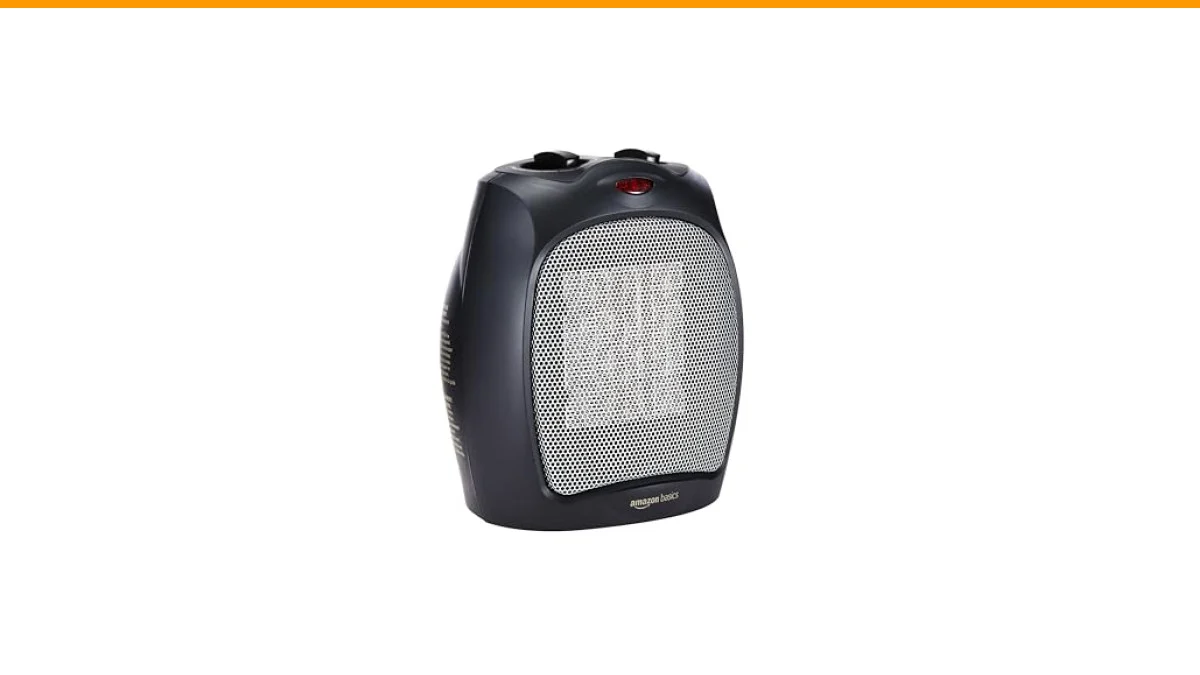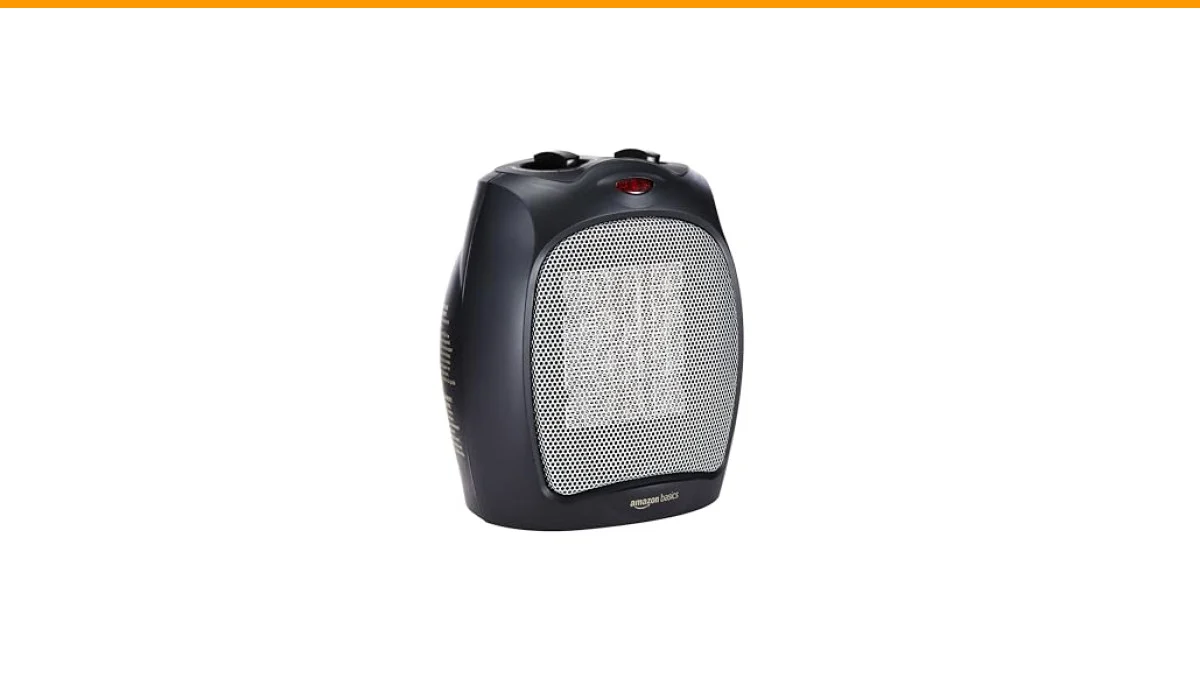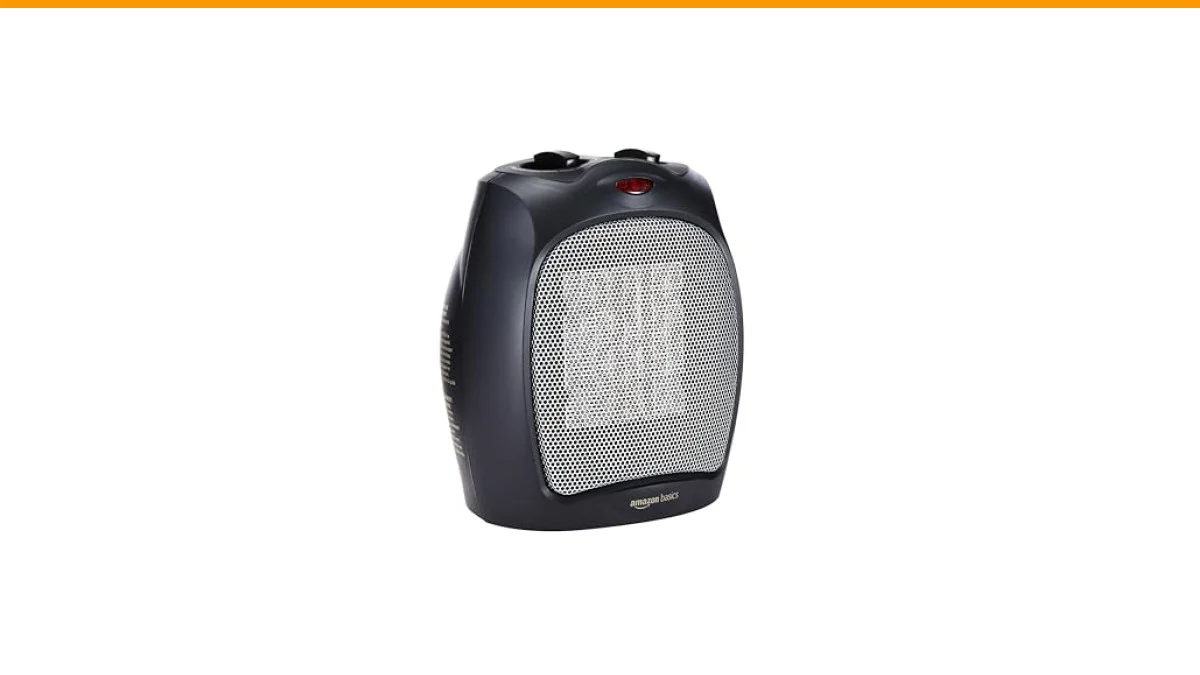
 KopBeau 1500W Ceramic Tower Space Heater ReviewWatch on YouTube
Understanding Heater Sizes and Measurements
Choosing the right heater size is crucial for effective heating. A heater that’s too small will struggle to warm a room, while one that’s too large may lead to wasted energy and excessive heating costs. Ceramic heaters are popular for their quick heating capabilities and energy efficiency. Understanding how to size them properly can ensure comfort and efficiency.
Heater sizes are often measured in BTUs (British Thermal Units) or watts. While BTUs refer to the amount of heat produced, watts measure the electrical power consumed. For most residential heating applications, focusing on watts is sufficient, especially for ceramic heaters.
How to Calculate the Right Heater Size for Your Room
Calculating the optimal heater size involves several steps:
- **Measure the Room**: Determine the length and width of the room in feet. Multiply these numbers to find the square footage.
- **Consider Ceiling Height**: If your room has higher ceilings, multiply the square footage by the height in feet to get the cubic footage.
- **Determine BTUs Needed**: Use the following formula: n n [ BTUs = Square Footage times 20 ] n n This assumes standard insulation. Adjust upwards for poorly insulated rooms.
For example, a room measuring 15 feet by 20 feet (300 square feet) would require approximately 6,000 BTUs for adequate heating.
Factors Affecting Heater Size Selection
Several factors influence the heater size needed for a room:
- **Insulation Quality**: Well-insulated rooms retain heat, while poorly insulated spaces lose it quickly. Increase your heater size by 10-20% for rooms with inadequate insulation.
- **Room Use**: High-traffic areas or rooms used frequently may need more heating power compared to rarely used spaces.
- **Window Size and Type**: Large or single-pane windows can lead to heat loss. Consider this when sizing your heater.
- **Climate**: In colder climates, you may need a more powerful heater than in milder areas to maintain comfort.
BTU and Wattage: What You Need to Know
Understanding the relationship between BTUs and watts is key. One watt equals approximately 3.41 BTUs. Most ceramic heaters, like the Amazon Basics Ceramic Space Heater, provide effective heating options across various wattages. Here’s a quick reference:
| Wattage | BTUs |
|---|---|
| 750W | 2,500 BTUs |
| 1500W | 5,100 BTUs |
| 2000W | 6,800 BTUs |
As you can see, higher wattage results in more BTUs, making it essential to match your heater’s wattage to the room size for effective heating.
Choosing the Right Heater for Different Room Types
Different rooms have different heating needs. Here are guidelines for selecting heaters based on specific room types:
- **Bedrooms**: Typically require 10-15 BTUs per square foot. A 1500W heater works well for most standard bedrooms.
- **Living Rooms**: Larger spaces may need 20 BTUs per square foot. Consider a heater with at least 2000W for ample heating.
- **Kitchens**: Often retain warmth from appliances. A smaller 750W model may suffice.
- **Basements**: These are generally colder and may require 30 BTUs per square foot. A robust heater between 1500W and 2000W is advisable.
Energy Efficiency Considerations for Heaters
Energy efficiency plays a significant role in selecting a heater. Look for models with adjustable thermostats, like the Amazon Basics Ceramic Space Heater, which helps maintain the desired temperature without excessive energy use. Additionally:
- **Consider Energy Star Ratings**: Heaters with Energy Star certification are designed to save energy.
- **Use a Programmable Thermostat**: This feature allows you to set heating schedules and reduce energy consumption when the room is unoccupied.
Common Mistakes to Avoid When Sizing Heaters
Many people make mistakes when sizing heaters. Here are common pitfalls:
- **Ignoring Room Size**: Always calculate the room dimensions before selecting a heater.
- **Assuming More Watts Equals More Heat**: While higher wattage often means more heat, it doesn’t always equate to efficiency. A properly sized heater will perform better.
- **Neglecting Insulation Needs**: Always consider insulation quality when determining heater size.
- **Failing to Factor in Climate**: Adjust your heater size based on your local climate.
FAQs
What size heater do I need for a 300 square foot room?
A room that’s 300 square feet typically requires around 6,000 BTUs, which can be achieved with a heater around 1500W.
How do I know if my heater is too small?
If you find the heater struggles to maintain a comfortable temperature or runs continuously, it may be undersized for the room.
Can I use multiple heaters in one room?
Yes, using multiple heaters can help achieve the desired temperature, but be cautious about overloading circuits.
How do insulation types affect heater sizing?
Poor insulation increases heat loss, requiring a larger heater to compensate. Well-insulated rooms retain heat better and can use smaller heaters.
Are ceramic heaters energy efficient?
Yes, ceramic heaters are generally energy-efficient, especially models with adjustable settings, helping to reduce power consumption.
Final Thoughts for Heater Selection
- Calculate room size accurately for proper heater sizing.
- Adjust BTU needs based on insulation quality and climate.
- Choose a heater with appropriate wattage for your specific room type.
- Consider energy efficiency features to save on electricity bills.
- Avoid common mistakes to ensure optimal heating performance.