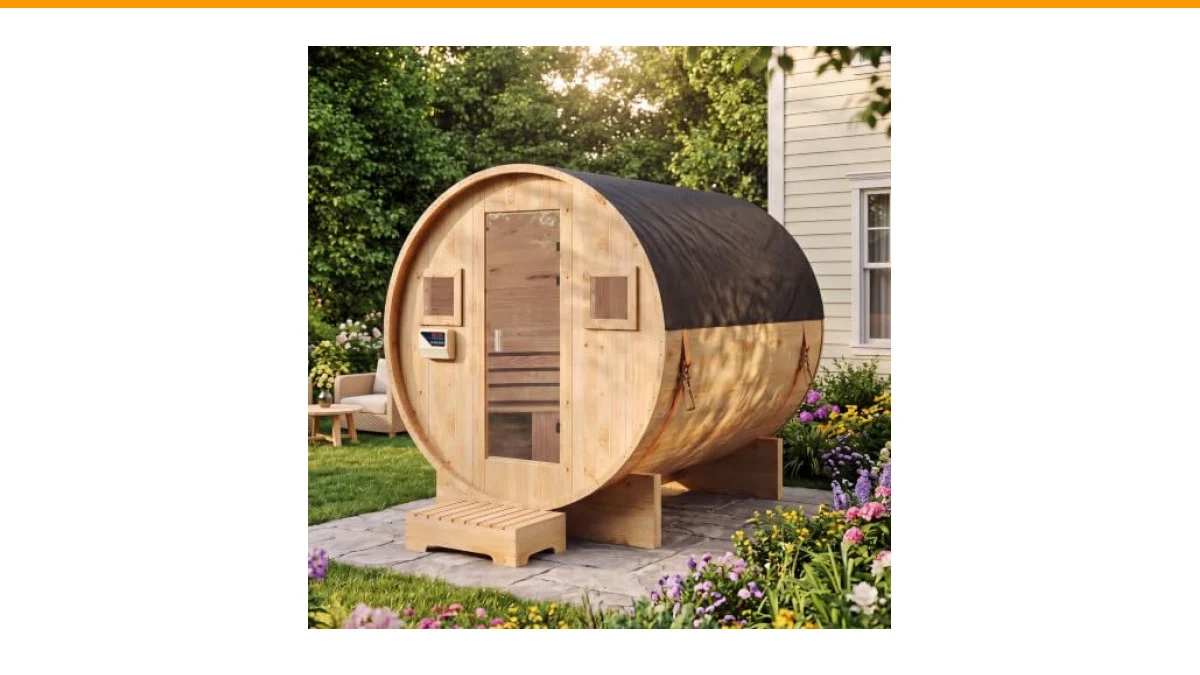
Imagine stepping into your sauna after a long day, the heat enveloping you like a warm blanket. The soothing steam rises, creating a perfect environment for relaxation. Now, picture this moment being interrupted by the crackling sound of rocks breaking apart or a sudden burst of steam that isn’t pleasant. This scenario can happen if you’ve made the mistake of using river rocks in your sauna heater. While it may seem like a good idea to source materials from nature, the reality is far different.
In this article, you’ll learn why river rocks are not suitable for sauna heaters and what alternatives you should consider. By the end, you’ll be equipped with the knowledge to maintain a safe and effective sauna experience. The information provided will not only enhance your understanding of sauna functionality but also help you make informed choices about the materials you use in your sauna.

bayisam
bayisam 19 LBS Sauna Rocks, Natural Gray Rough-Cut Sauna Stones | Heat Retaining Stones with uniform size, ideal for electric and wood-fired sauna heaters and Sauna Stoves
- PREMIUM A+ GRADE NATURAL DIABASE MATERIAL: Bayisam sauna rocks are carefully selected from authentic natural diabase raw rocks and…
- SUPERIOR HEAT RETENTION & EVEN STEAM DISTRIBUTION: Adopting a natural rough-cut design, each stone is covered with dense tiny pore…
- HIGH TEMPERATURE RESISTANT & DURABLE: These sauna stones boast outstanding long-term high-temperature resistance. They withstand r…
If you’re in the market for quality sauna stones, consider the bayisam 19 LBS Sauna Rocks. Made from premium A+ grade natural diabase material, these stones offer excellent heat retention and durability, ensuring a safe and enjoyable sauna environment.

 Sauna Rocks - How to Place ThemWatch on YouTube
Understanding the Risks of Using River Rocks
Using river rocks in a sauna heater presents several risks. Unlike specifically designed sauna stones, river rocks have not been subjected to the same rigorous quality control processes. Here are some key reasons why you should avoid them:
- Inconsistent Heating: River rocks vary greatly in composition and density. This inconsistency can lead to unpredictable heating patterns. Some rocks may heat up quickly, while others lag behind, causing uneven temperatures in your sauna.
- Cracking and Breaking: River rocks are not engineered to withstand extreme heat and sudden temperature changes. Under the high heat of a sauna, these rocks can crack or break apart, creating safety hazards.
- Impurities: Natural river rocks may contain minerals and impurities that can release harmful gases when heated. This can lead to unpleasant odors or even health risks for users.
- Weight Issues: River rocks can vary in weight, leading to difficulties in loading and maintaining the correct stone mass in your sauna heater. This can affect how your sauna functions.
What Makes Sauna Stones Ideal?
Sauna stones, like those from bayisam, are designed specifically for sauna use. Here’s what sets them apart:
- Material Composition: Premium sauna stones, such as diabase, are selected for their ability to withstand high temperatures. They resist cracking, ensuring a long service life.
- Heat Distribution: The natural rough-cut design of sauna stones allows for better heat retention and even steam distribution. This results in a more consistent sauna experience.
- Durability: High-quality sauna stones can endure repeated heating and cooling cycles without deterioration. You won’t need to replace them frequently, making them a cost-effective choice in the long run.
- Compatibility: Quality sauna stones are designed to fit most sauna heater models, whether indoor or outdoor. This versatility ensures you can find the right stones for your setup.
Comparing River Rocks and Quality Sauna Stones
| Feature | River Rocks | Quality Sauna Stones |
|---|---|---|
| Material Quality | Variable, often low | Premium A+ grade diabase |
| Heat Resistance | Poor, prone to cracking | Excellent, withstands high temperatures |
| Steam Distribution | Uneven and unpredictable | Even and stable |
| Durability | Short lifespan, frequently replaced | Long lifespan, reduced replacement frequency |
| Health Risks | Potentially harmful gases | Safe and tested for use |
Common Questions About Sauna Stones
Can I use any type of rock in my sauna heater?
No, you should not use just any type of rock in your sauna heater. Only stones specifically designed for sauna use, like diabase, are safe and effective.
What happens if I use river rocks in my sauna?
Using river rocks can lead to inconsistent heating, cracking, and even the release of harmful gases. It can also create safety hazards due to their unpredictable nature.
How often should I replace sauna stones?
Quality sauna stones can last a long time, often several years, depending on usage. However, inspect them regularly for signs of wear and replace them as needed.
What should I look for when buying sauna stones?
Look for stones made from high-grade materials, such as diabase. Ensure they have good heat retention properties and are designed for sauna use.
Are there any other materials I should avoid in sauna heaters?
Avoid synthetic materials, river rocks, and soft stones that can break easily. Stick with natural stones specifically designed for sauna environments.
Final Thoughts on Sauna Stone Selection
- Always use stones designed for sauna heaters.
- Invest in high-quality materials for safety and performance.
- Regularly inspect your sauna stones for wear and tear.
- Ensure proper loading of stones in your sauna heater.
- Consider the benefits of stones like the bayisam sauna rocks for optimal performance.
- Be cautious of using natural rocks; they may not be safe.
- Understand the importance of even steam distribution for an enjoyable sauna experience.