As the cold weather rolls in, many people find themselves reaching for space heaters to keep their homes warm. Among the various options available, ceramic heaters have gained popularity due to their effective heating capabilities and compact designs. But how energy efficient are these devices? Understanding their energy use can help you make informed choices about heating your home while managing your electricity bills.
This article will explore the energy efficiency of ceramic heaters, focusing on how they operate, specific examples of their energy usage, and how they compare to other heating methods. You’ll also learn whether investing in a ceramic heater, like the Amazon Basics Ceramic Space Heater, is the right choice for your home.

Amazon Basics
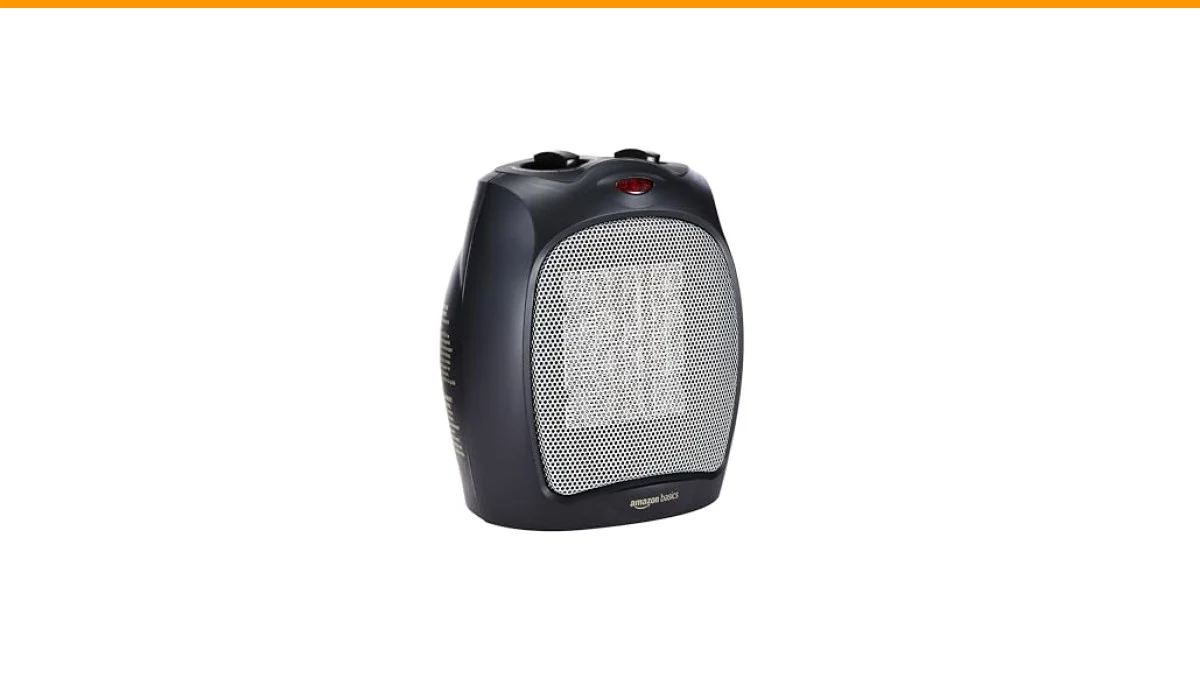
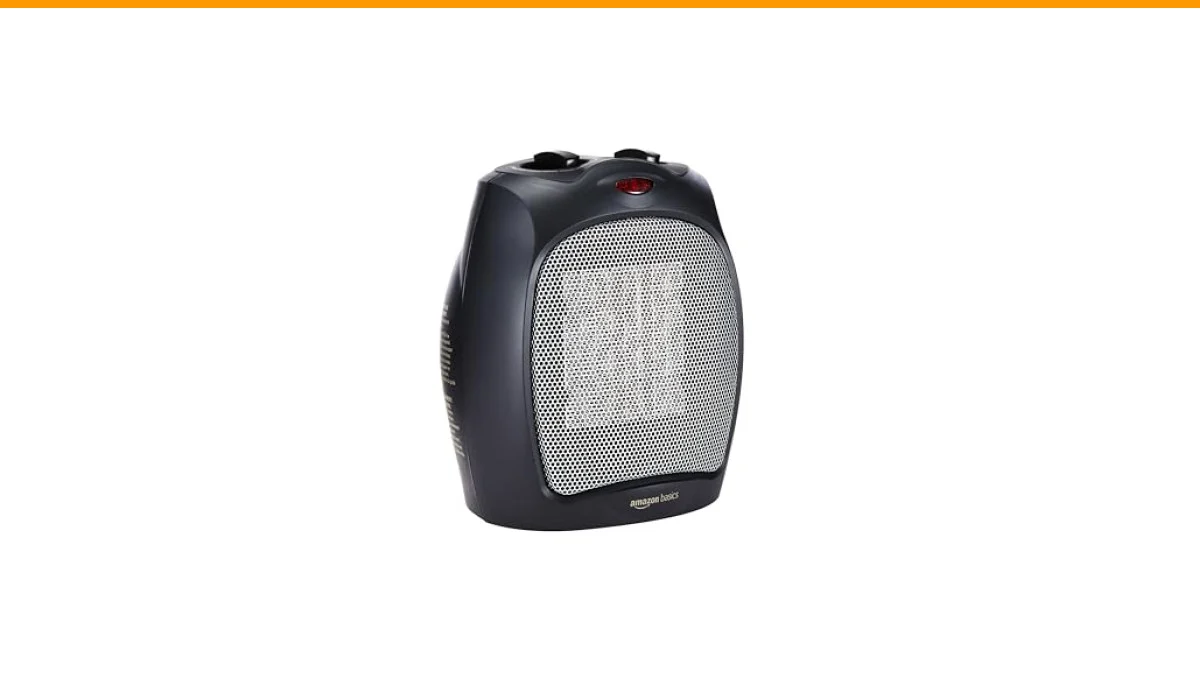
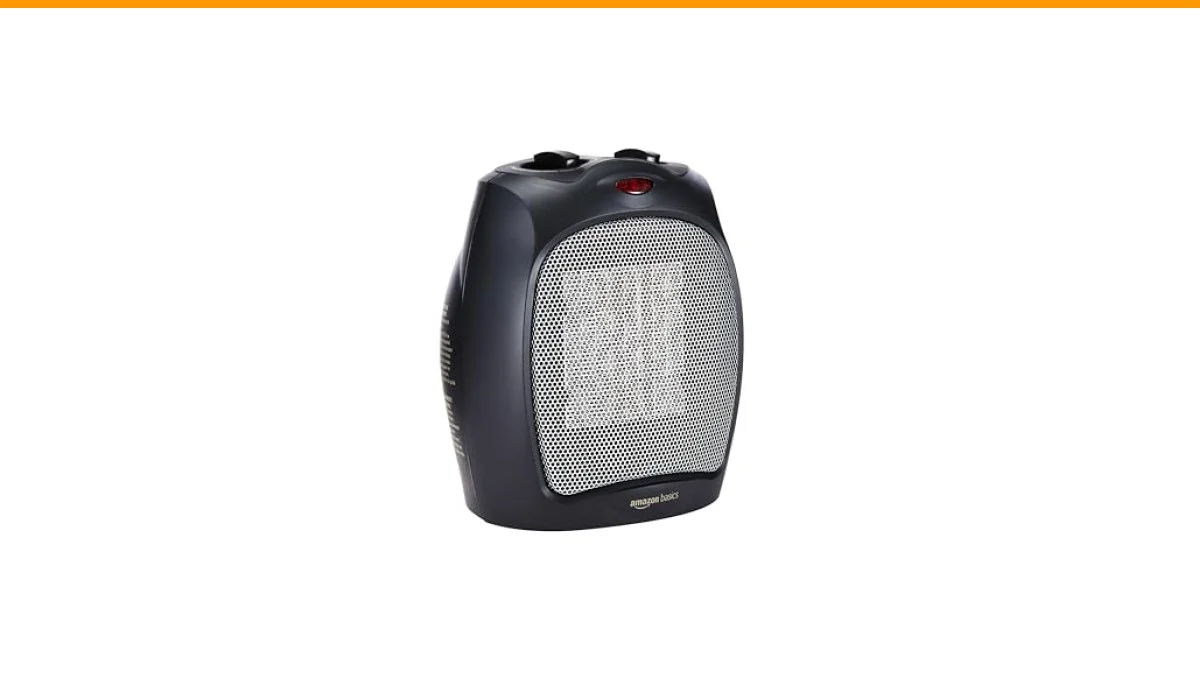
Amazon Basics Ceramic Space Heater, Portable Indoor Heating Solution, With Overheat and Tip-Over Protection, Thermostat, Non-Oscillating, 1500W, 7.52"D x 6.34"W x 9.45"H, Black
- CUSTOMIZABLE HEATING OPTIONS: Choose from three settings to suit your needs - High (1500W), Low (900W), or Fan Only for air circul…
- COMPACT & PORTABLE: Weighing just 3 lbs and sized at 7.5“L x 6.3”W x 9.5“H, this space heater is easy to move and perfect for your…
- Built-in Tip-Over Protection, Overheat Protection, and a Power Indicator Light for safe operation.
Ceramic heaters are generally energy efficient due to their ability to heat up quickly, use less power, and provide targeted warmth, making them ideal for smaller spaces.
 The 6 Best Ceramic Tower Space Heaters of 2026 | Powerful, Quiet & Energy Efficient!Watch on YouTube
How Ceramic Heaters Work
Ceramic heaters utilize ceramic plates to generate heat. When electricity passes through the ceramic, it quickly heats up and radiates warmth into the surrounding area. This rapid heating capability means that ceramic heaters can warm up a room within minutes, making them more efficient compared to traditional convection heaters that take longer to heat the air.
Energy Efficiency Explained
Energy efficiency in heating devices refers to how effectively they convert energy into heat. The efficiency of a ceramic heater can be measured by its wattage and the area it can effectively heat. Most ceramic heaters operate at 1500 watts, but the real efficiency comes from how quickly they can heat up a space and how effectively they maintain that warmth.
For instance, using the Amazon Basics Ceramic Space Heater, you can select from three settings: High (1500W), Low (900W), or Fan Only. This flexibility allows you to adjust the power based on your heating needs, optimizing energy use. A lower setting is perfect for maintaining warmth in a smaller room while consuming less energy.
Comparing Energy Use
When evaluating the energy efficiency of ceramic heaters, it’s useful to compare them with other heating options. Here’s a quick comparison of ceramic heaters with traditional heating methods:
| Heating Method | Wattage | Time to Heat (Minutes) | Ideal for | Energy Cost (Approx. per hour) |
|---|---|---|---|---|
| Ceramic Heater | 1500W | 5-10 | Small to medium rooms | $0.18 |
| Convection Heater | 1500W | 15-20 | Large rooms | $0.18 |
| Infrared Heater | 1000W | 10-15 | Spot heating | $0.12 |
| Gas Heater | N/A | Varies | Whole house | $0.10 |
Common Questions About Ceramic Heaters
Are ceramic heaters energy efficient?
Yes, ceramic heaters are considered energy efficient because they heat up quickly and maintain warmth effectively. Their design allows for targeted heating, which can be more efficient than central heating systems for smaller areas.
How much electricity does a ceramic heater use?
Most ceramic heaters use about 1500 watts on high settings, which equates to approximately $0.18 per hour of use based on average electricity costs. Lower settings reduce power consumption.
Can ceramic heaters reduce heating bills?
Yes, using a ceramic heater to heat specific rooms can lead to lower heating bills, especially if you reduce the use of central heating in those spaces. They are particularly effective for supplemental heating.
Are there safety concerns with ceramic heaters?
Ceramic heaters are generally safe, but it’s crucial to use them according to the manufacturer’s guidelines. Look for features like tip-over protection and overheat protection, which enhance safety.
How do ceramic heaters compare to other space heaters?
Ceramic heaters are often more efficient than traditional convection heaters because they provide quicker heat and can maintain warmth in smaller areas. They’re also generally quieter than infrared heaters.
Final Observations
- Ceramic heaters heat up quickly and are suitable for small to medium spaces.
- Energy efficiency can be optimized by choosing the right setting based on your needs.
- They can help lower heating costs if used strategically to supplement central heating.
- Look for models with safety features like tip-over and overheat protection.
- Regular maintenance, such as keeping the heater clean, improves efficiency.
Ceramic heaters stand out as a practical choice for energy-efficient heating solutions. Their rapid heating capabilities and adjustable settings make them suitable for various scenarios, allowing you to stay warm without breaking the bank.
For further information on energy-efficient heating solutions, check out energy-efficient space heaters and best energy-efficient ceramic heater guides.