Understanding Child Locks
Imagine a busy afternoon in your home. You’re preparing dinner, and your toddler wanders off. A moment later, you hear a crash followed by silence. You rush to the living room, only to find your child has opened a cabinet filled with cleaning supplies. This is a common scenario for many parents, highlighting the importance of child locks in maintaining a safe environment.
Child locks are essential tools designed to prevent children from accessing potentially dangerous areas in your home. They help keep cabinets, drawers, and appliances secure, reducing the risk of accidents. This article will provide a detailed explanation of child locks, their types, and how to choose the right ones for your needs.
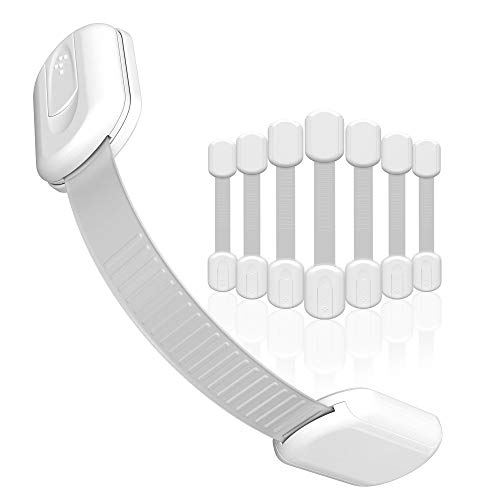
Skyla Homes
SKYLA HOMES Cabinet Strap Locks for Baby Proofing, 8 Pack, White
- FLEXIBLE COVERAGE AROUND THE HOME - Adjustable 3-7 inch child proof cabinet locks bend around corners to help limit access to cabi…
- NO-DRILL ADHESIVE INSTALLATION - For baby proofing cabinets, clean and fully dry the surface, set the strap length, press firmly,…
- FITS CABINETS, DRAWERS & APPLIANCES - Use these child locks for cabinets and drawers on compatible refrigerators, toilets and othe…
For those looking to baby-proof their living spaces, consider the SKYLA HOMES Cabinet Strap Locks for Baby Proofing. These adjustable locks offer a flexible solution for securing cabinets and drawers without the need for drilling, making installation straightforward and hassle-free.
Types of Child Locks
Child locks come in various styles, each serving different purposes. Understanding these options can help you choose the best fit for your home:
- Cabinet Locks: Designed specifically for cabinets, these locks can be installed on the inside or outside, allowing for easy access for adults while keeping little ones out.
- Drawer Locks: Similar to cabinet locks, these are tailored for drawers and can be either adhesive or keyed.
- Appliance Locks: Used on refrigerators, ovens, and microwaves, these locks prevent children from opening appliances that could pose a danger.
- Strap Locks: Versatile and adjustable, strap locks can fit around various surfaces, making them ideal for securing multiple objects.
Common Misconceptions about Child Locks
Child locks are just for cabinets
A widespread myth is that child locks are only necessary for cabinets. While cabinets are a primary focus, child locks should be used on drawers, appliances, and even toilets. Children are naturally curious and can find ways to access dangerous items. Comprehensive child-proofing involves securing all potential hazards, not just cabinets.
All child locks are the same
Not all child locks offer the same level of security or convenience. Some locks are easy for adults to operate but can be frustrating for children to figure out, while others may require more effort to install. It’s important to assess the specific needs of your home and choose locks that provide optimal security without sacrificing adult accessibility.
How to Choose the Right Child Lock
When selecting child locks, consider the following factors:
- Age of Your Child: Younger children require more secure options since they are often more determined to explore.
- Installation Method: Some locks require tools for installation, while others use adhesive. Choose one that fits your comfort level.
- Material Quality: Ensure the lock is made from durable materials that can withstand wear and tear.
- Design: Opt for a design that blends well with your home décor, especially if the locks will be visible.
Comparison of Child Lock Options
| Type | Pros | Cons |
|---|---|---|
| Cabinet Locks | Easy to install, secure, often adjustable | May be difficult for adults to open |
| Drawer Locks | Keeps dangerous items out of reach | Can be cumbersome to use |
| Appliance Locks | Prevents access to dangerous appliances | Limited to one specific appliance |
| Strap Locks | Flexibility in use, easy to install | May not be as secure as other types |
Frequently Asked Questions
What age should I start using child locks?
It’s wise to start using child locks as soon as your child begins to crawl or walk. This proactive approach helps prevent accidents before they happen.
Are child locks easy to remove?
Many child locks can be removed easily by adults, but they are designed to be challenging for children. Check the product details for specific removal instructions.
Can child locks damage furniture?
Most child locks use adhesive or clamps that should not damage furniture. However, it’s essential to follow installation instructions to avoid any potential damage.
How do I know which type of lock to use?
Assess your home’s layout and potential hazards. Consider where your child spends the most time and choose locks that fit those areas.
Do all child locks work on all surfaces?
No, different locks may work better on various surfaces. Always check compatibility before installation to ensure effectiveness.
Final Thoughts on Child Locks
- Start using child locks early to prevent accidents.
- Choose the right type of lock based on your home’s layout.
- Understand the differences between various child lock types.
- Regularly check the effectiveness and condition of installed locks.
- Stay informed about new products and safety measures as your child grows.
- Consider using adjustable locks, like the SKYLA HOMES Cabinet Strap Locks, for flexible options.
- Always supervise your child, even with locks in place.



