Introduction
Every parent knows the challenges of keeping their little ones safe at home. Curiosity drives children to explore every nook and cranny, often leading them to hazardous areas. Whether it’s a cabinet filled with cleaning supplies or a drawer packed with sharp objects, the risk is real. Child locks are a vital tool to help mitigate these dangers, but many are unsure of how they work or which types are best suited for their needs.
This article aims to provide a comprehensive overview of child locks, explaining their various types, installation methods, and tips for effective usage. By the end, you’ll feel confident in your ability to childproof your home and ensure your child’s safety.
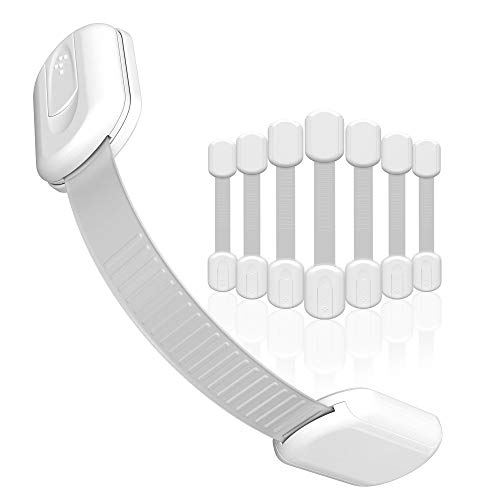
Skyla Homes
SKYLA HOMES Cabinet Strap Locks for Baby Proofing, 8 Pack, White
- FLEXIBLE COVERAGE AROUND THE HOME - Adjustable 3-7 inch child proof cabinet locks bend around corners to help limit access to cabi…
- NO-DRILL ADHESIVE INSTALLATION - For baby proofing cabinets, clean and fully dry the surface, set the strap length, press firmly,…
- FITS CABINETS, DRAWERS & APPLIANCES - Use these child locks for cabinets and drawers on compatible refrigerators, toilets and othe…
For those looking for a reliable product, consider the SKYLA HOMES Cabinet Strap Locks for Baby Proofing. This 8-pack of adjustable strap locks offers flexible coverage around your home, ensuring safety without the need for drilling. Their easy installation and adult-friendly access make them a practical choice for busy parents.
Types of Child Locks
Child locks come in various forms, each designed for specific applications. Here are the primary types:
- Cabinet Locks: These are often magnetic or latch-type locks that prevent children from opening cabinets. They can be used on kitchen cabinets, bathroom cabinets, or any storage space.
- Drawer Locks: Similar to cabinet locks, these prevent children from opening drawers. They can be installed on furniture like dressers or desks.
- Appliance Locks: Designed for refrigerators, ovens, and other appliances, these locks ensure that children cannot access potentially dangerous items like medications or cleaning products.
- Safety Strap Locks: These flexible locks can wrap around multiple surfaces, making them ideal for various furniture types and tight spaces.
Parents should choose locks based on their home layout and specific safety concerns. For example, if your child has a tendency to explore the kitchen, focusing on cabinet and appliance locks will be vital.
Installation Methods
Installing child locks varies based on the type. Here’s a brief overview:
- Magnetic Locks: These usually require drilling into the cabinet. A magnet piece is placed inside the cabinet, while the key is kept out of reach.
- Adhesive Locks: Many modern locks, like the SKYLA HOMES Cabinet Strap Locks, use strong adhesives. Simply clean the surface, apply the lock, and allow it to bond. No drilling is required.
- Sliding Locks: These locks slide into place and can often be installed without tools. They’re ideal for drawers and cabinets.
Regardless of the installation method, always follow the manufacturer’s instructions carefully. This ensures that the locks function correctly and provide the intended safety.
Common Misconceptions About Child Locks
Myth 1: All Child Locks Are Difficult for Adults to Use
Many parents believe that child locks are universally difficult to operate. While some older models can be cumbersome, many newer designs prioritize adult access. For instance, the SKYLA HOMES strap locks feature a press-and-slide release that allows adults quick access while keeping little hands out.
Myth 2: Child Locks Are Only for Cabinets
Another misconception is that child locks are only necessary for cabinets. In reality, childproofing should extend to drawers, appliances, and even toilet lids. Each area presents unique hazards; therefore, assessing your home for potential risks is essential.
Comparative Overview of Child Lock Options
| Type | Installation Method | Best Use |
|---|---|---|
| Magnetic Locks | Drilling required | Cabinets |
| Adhesive Locks | No drill, adhesive | Cabinets, drawers |
| Sliding Locks | No tools required | Drawers |
| Strap Locks | Flexible adhesive | Multiple surfaces |
Frequently Asked Questions
How do I know which child lock to choose?
Consider the specific areas in your home that require safety measures. Assess the types of hazards present, and select locks designed for those surfaces. For example, if you have young children who frequently explore the kitchen, focus on cabinet and appliance locks.
Are child locks easy to remove?
Most child locks, especially adhesive types, can be removed without damaging surfaces. However, following the manufacturer’s instructions is important to avoid damage during removal.
Can child locks be used on all surfaces?
Not all child locks are universal. Adhesive locks work best on smooth, clean surfaces. Always check compatibility before installation to ensure effectiveness.
How often should I check child locks?
Regular inspection is necessary to ensure that locks remain secure. Check them monthly, especially in high-use areas, to ensure they function correctly.
What age group benefits most from child locks?
Child locks are particularly beneficial for children aged 1 to 5, as this is when they are most curious and mobile. However, assessing your child’s development is essential, as some may require locks even past this age.
Safety First: Key Points to Remember
- Identify hazardous areas in your home.
- Choose the right type of child lock for each space.
- Follow installation instructions carefully for optimal safety.
- Regularly check the functionality of locks.
- Consider flexible options like the SKYLA HOMES strap locks for versatile coverage.
- Don’t rely solely on child locks; maintain adult supervision.
- Keep keys for magnetic locks out of reach from children.



