Imagine you’re in the middle of a project at home, using several power tools. Suddenly, the lights flicker, and everything goes dark. You’ve likely experienced a circuit overload. This scenario isn’t just inconvenient; it poses risks to your electrical system and safety. Understanding circuit overload is crucial for anyone who relies on electrical systems.
This article will explain what circuit overload is, how it occurs, and ways to prevent it. You’ll also see how using the right equipment, like the THQL Circuit Breaker Panels, can help manage your electrical load safely.
JINDOUZI
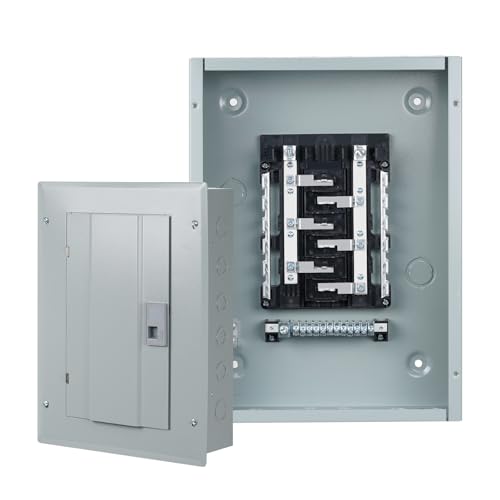
THQL Circuit Breaker Panels, 12-Space, 125A Circuit Breaker Distribution Box, 120V/240V Circuit Breaker Electrical Enclosure,Indoor Main Lug Load Center
- HIGH PERFORMANCE 125A LOAD CENTER - Low voltage load center supports up to 125 amps, providing efficient and reliable power distri…
- NEMA 1 STEEL ENCLOSURE—Constructed of high-quality steel, this main lug load center enclosure meets NEMA 1 standards and is design…
- EXCELLENT SAFETY AND PROTECTION - The main lug circuit breaker panel has 12 spaces that can accommodate up to 12 1-pole plug-in ci…
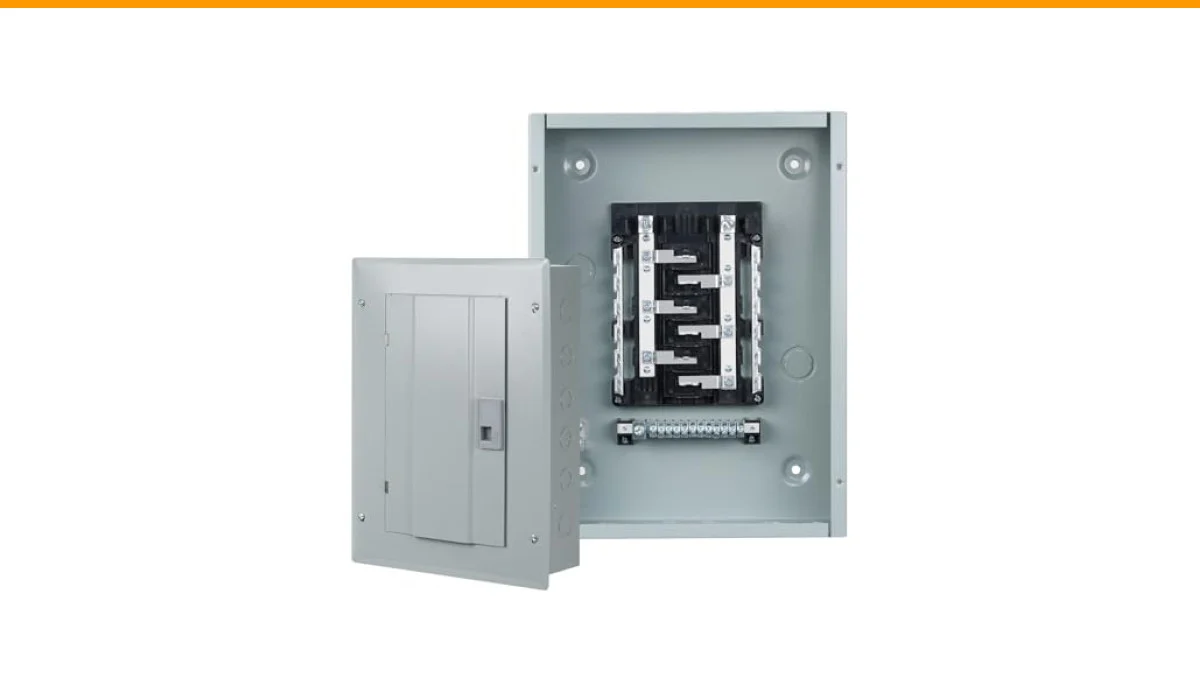
The THQL Circuit Breaker Panel is a 12-space, 125A distribution box designed for residential and light commercial use. Its robust steel construction ensures durability, while its easy installation makes it suitable for both professionals and DIY enthusiasts.
What is Circuit Overload?
Circuit overload happens when the demand for electrical current exceeds the circuit’s capacity. Each circuit in your home has a specific amp rating, typically 15 or 20 amps for standard outlets. When appliances or devices draw more current than the circuit can handle, it leads to overheating of wires and potentially causes damage to the electrical system.
For example, if you run multiple high-power devices like heaters or air conditioners on the same circuit, you risk exceeding the circuit’s capacity. This situation can trip your circuit breaker, which is designed to prevent overheating by cutting off the electrical flow.
Common Causes of Circuit Overload
Understanding the causes of circuit overload can help you prevent it. Here are some common reasons:
- Too Many Devices: Plugging in multiple high-wattage appliances into one circuit can easily lead to an overload.
- Faulty Wiring: Old or damaged wiring may not handle the current properly, increasing the risk of overload.
- Inadequate Circuit Design: Some homes may have circuits that are not designed to support modern electrical loads.
- Unbalanced Load: Distributing electrical loads unevenly across circuits can lead to overloads in specific areas.
Symptoms and Effects of Circuit Overload
Recognizing the signs of circuit overload is vital. Here are some symptoms to watch for:
- Frequent tripping of circuit breakers or blown fuses.
- Dim or flickering lights when multiple devices are used.
- Warm or hot wall outlets or cords.
- Burning smell coming from outlets or appliances.
Failure to address these issues can lead to serious consequences, including electrical fires. Therefore, understanding how to prevent and manage circuit overload is crucial for home safety.
Preventing Circuit Overload
There are several practical steps you can take to avoid circuit overload:
- Distribute Loads: Spread out electrical devices across different circuits. Avoid using high-wattage appliances on the same circuit.
- Upgrade Wiring: If you live in an older home, consider upgrading your wiring to meet current electrical standards.
- Install Circuit Breaker Panels: Use load centers like the THQL Circuit Breaker Panels to manage electrical distribution effectively.
- Monitor Usage: Keep an eye on your electrical consumption. If you notice frequent trips, it’s time to reassess your load.
Using a circuit breaker panel designed for high performance can help manage electrical loads and improve safety.
Comparison of Circuit Protection Options
| Feature | Standard Circuit Breaker | Smart Circuit Breaker | Load Center Panels |
|---|---|---|---|
| Monitoring Capabilities | No | Yes | No |
| Remote Control | No | Yes | No |
| Number of Circuits | Varies | Varies | 12+ |
| Safety Features | Basic | Advanced | Moderate |
What should I do if my circuit breaker keeps tripping?
If your circuit breaker frequently trips, first unplug devices from the affected circuit. Wait a few minutes and then reset the breaker. If it trips again, consult an electrician to assess the situation.
Can I use extension cords to prevent overload?
While extension cords can help distribute power temporarily, they are not a long-term solution. Using too many devices on an extension cord can lead to overload and increase the risk of fire.
How do I know if my wiring is outdated?
Signs of outdated wiring include flickering lights, frequent circuit trips, and warm outlets. If your home has aluminum wiring or is over 40 years old, consider an inspection by a licensed electrician.
What is the benefit of installing a load center?
A load center allows for better organization of your electrical system, making it easier to manage multiple circuits. It provides better safety features and can accommodate higher electrical loads.
Is it worth upgrading to a smart circuit breaker?
Yes, smart circuit breakers offer advanced monitoring and control features that can help you manage your electrical load more effectively. They can alert you to potential overloads before they become a problem.
Final Insights on Circuit Overload
- Circuit overload occurs when electrical demand exceeds a circuit’s capacity.
- Common causes include too many devices on one circuit and faulty wiring.
- Watch for symptoms like dimming lights and frequent breaker trips.
- Prevent overload by distributing electrical loads and upgrading outdated wiring.
- Consider using high-performance products like the THQL Circuit Breaker Panel for better safety.
- Regular monitoring of your electrical system can help prevent overload issues.
- Investing in smart technology may provide added control and safety for your home.



