Understanding Space Heater Load Calculation
Imagine it’s the middle of winter, and you walk into a room that feels like an icebox. You plug in a space heater, expecting a quick fix, but it struggles to keep the chill at bay. This scenario often stems from a lack of understanding of how to calculate the load for your space heater. Proper load calculation is essential to ensure your heater operates efficiently and safely, providing the warmth you need without wasting energy or risking electrical issues.
This article will guide you through the essentials of space heater load calculation. You will learn how to determine the right heater size for your room, understand the factors that affect heating efficiency, and explore how to use specific products like the DREO Space Heater to optimize your heating needs.

DREO
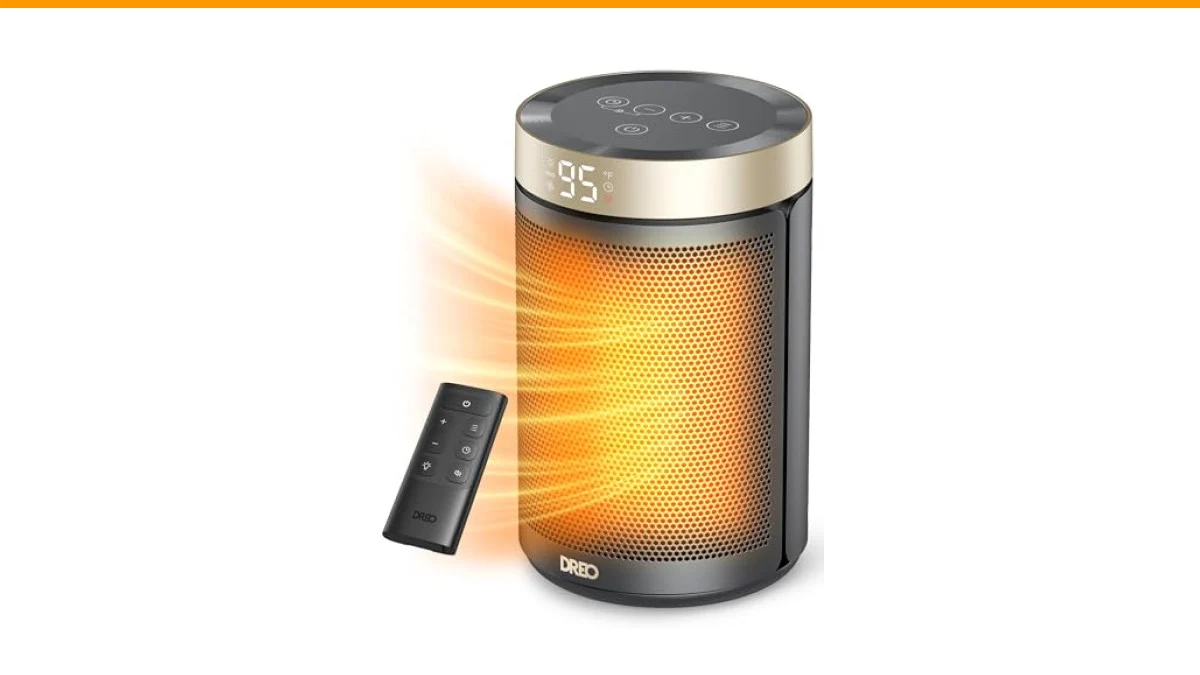
DREO Space Heater, Portable Electric Heaters for Indoor Use with Thermostat | 2026 Upgraded, 34dB Quiet, 12H Timer, 5 Mode, Remote, 1500W PTC Ceramic Fast Safety Heat for Office Bedroom Home, Gold
- Powerful heat that fits everywhere: DREO space heaters for indoor combines Hyperamics 1500W advanced PTC system with a new heat fu…
- Unbreakable safety:DREO goes beyond the unexpected to deliver peace of mind with every room heater. The innovative tilt-detection…
- Ultimate temperature control: The enhanced NTC chipset brings more precision to turn your space heater with thermostat into a smar…
The DREO Space Heater is a powerful option that combines a 1500W advanced PTC system with a unique heat funnel design. This allows for quick heat delivery and effective air circulation, making it a useful tool for any indoor setting.
How to Calculate Space Heater Load
Calculating the load for your space heater involves a few simple steps. To get started, you’ll need to know the square footage of the room you want to heat. The standard rule of thumb is to use 10 watts per square foot for adequate heating. However, this number can vary based on several factors.
- Measure Your Space: Measure the length and width of the room. Multiply these numbers to find the square footage.
- Consider Room Characteristics: Factor in the room’s insulation, windows, and ceiling height. Poorly insulated rooms or those with large windows may require more wattage.
- Calculate Total Watts Needed: Multiply the square footage by 10 watts. Adjust this number based on the characteristics you considered. For example, if your room is poorly insulated, you might increase this to 12-15 watts per square foot.
Here’s a quick example: For a 200 square foot room with average insulation, you would need:
200 sq ft x 10 watts/sq ft = 2026 watts.
If the room is poorly insulated, you might calculate:
200 sq ft x 12 watts/sq ft = 2400 watts.
Understanding these calculations ensures you select a heater that meets your needs without overloading your electrical system.
Safety Considerations
When calculating space heater load, safety must be your top priority. Overloading circuits can lead to electrical fires. Here are some safety tips:
- Check the amperage rating of your circuit. Most household circuits are either 15 or 20 amps.
- Ensure the combined wattage of appliances on a single circuit does not exceed 80% of the circuit’s capacity. For a 15 amp circuit, this is about 1,440 watts.
- Choose heaters with safety features like tip-over protection and overheating shutoff, such as the DREO Space Heater, which includes several safety certifications.
Tips for Choosing the Right Space Heater
After calculating the load, the next step involves selecting the right space heater. Consider these factors:
- Heating Method: Space heaters come in various types, including convection and radiant models. Convection heaters warm the air, while radiant heaters heat objects directly.
- Size and Portability: Choose a heater that fits your space and can move easily if needed. The DREO Space Heater is portable, offering a handle for convenience.
- Energy Efficiency: Look for energy-efficient models that can save you money in the long run. The DREO model features an ECO mode, optimizing energy use.
Comparative Overview of Space Heater Load Calculation Methods
| Method | Wattage Calculation | Best For |
|---|---|---|
| Standard Calculation | 10 watts/sq ft | Adequately insulated rooms |
| High Demand Calculation | 12-15 watts/sq ft | Poorly insulated rooms |
| Zone Heating | Variable based on usage | Specific areas of larger spaces |
Common Questions About Space Heater Load Calculation
What happens if I use a heater that’s too small?
A heater that’s too small won’t adequately warm the space. It will run continuously, leading to higher energy bills and potential damage to the unit.
Can I use multiple heaters in one room?
Yes, but be cautious about the total wattage. Ensure you don’t exceed the circuit capacity and monitor for any signs of overheating.
How often should I check my heater’s load calculations?
It’s wise to check your heater’s load calculations annually or whenever you make significant changes to the room, such as adding insulation or changing windows.
Are there any specific codes I need to follow?
Local building codes may have specific requirements for using space heaters, particularly in rental properties. Always check with local regulations.
Can I use a space heater in a bathroom?
Using a space heater in a bathroom is possible but only if it’s specifically designed for wet areas. Ensure it has adequate safety features to prevent hazards.
Practical Takeaways
- Calculate your room’s square footage for accurate heater sizing.
- Use 10 watts per square foot as a baseline, adjusting for insulation quality.
- Prioritize safety by ensuring the circuit isn’t overloaded.
- Consider features like portability and energy efficiency when selecting a heater.
- Regularly reassess your heating needs, especially after changes to your space.
- Check local codes for heater use, especially in specific rooms.
- Explore models like the DREO Space Heater for a balance of performance and safety.



