Why Most Solar Water Heater Advice Is Worthless
You see an ad for a solar water heater that claims to cut your electric bill in half. Sounds great. But walk into any hardware store and you’ll find three or four different designs, each with a different price tag, different pipe connections, and different claims. Which one actually works for your house?
I’ve installed and serviced solar thermal systems for over a decade. I’ve watched homeowners spend twice what they needed because they picked the wrong collector type for their climate. I’ve also seen people give up on solar entirely after buying a cheap batch heater that froze on the first cold night. This article walks you through the four main types of solar water heaters, the real numbers behind their performance, and the trade-offs nobody talks about in the marketing brochures.
Heliatos Solar
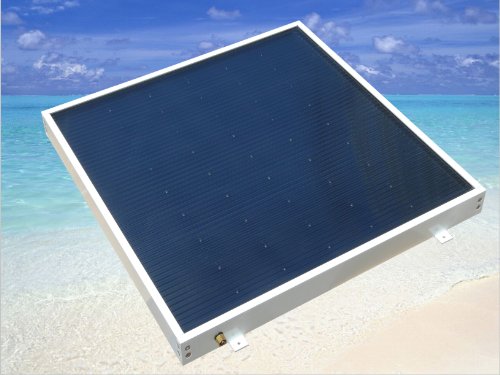
MH-38 Marine Solar Water Heater Panel
- COMPACT, TOUGH, AFFORDABLE, DURABLE, LIGHTWEIGHT,EASY TO INSTALL
- Powder-coated frame and backing,only stainless steel and brass hardware/ silicone sealed throughout
- Unique Sealed construction prerfect for Boats or any Marine environment
By the end, you’ll know exactly which type fits your location, your budget, and your tolerance for maintenance.
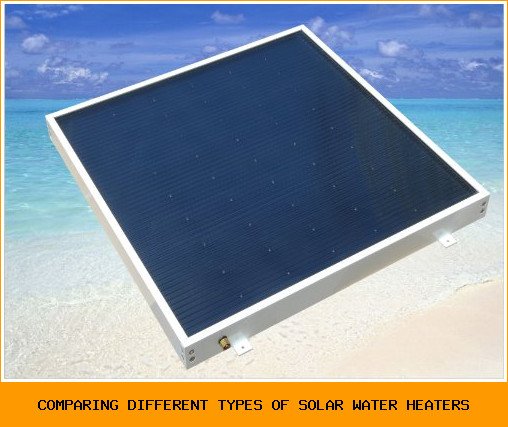
Heliatos Solar MH-38 Marine Solar Water Heater Panel is worth a look if your water heater needs to survive salt spray, vibration, or tight spaces. It uses a powder-coated frame, stainless steel and brass hardware, and a silicone-sealed construction that keeps moisture out. The zinc-phosphate internal coating stops corrosion inside the panel. This is not a general-purpose unit: it’s built for boats and beach cabins where standard flat plates would rust within a year. If that’s your situation, the MH-38 solves a specific problem that most residential collectors ignore.
Flat Plate Collectors – The Workhorse With Limits
Flat plate collectors are the oldest design still sold in volume. Think of a dark metal absorber plate inside an insulated box with a glass cover. Water or glycol runs through copper tubes bonded to the plate. Sunlight hits the plate, heats the fluid, and the pump circulates it to a storage tank.
Efficiency runs about 60–70 percent on a clear day. That drops fast in cold weather because the whole collector surface loses heat to the air. At an outdoor temperature of 40°F, a typical flat plate might only convert 40 percent of available sunlight into usable heat. Below freezing, you need antifreeze and a heat exchanger, which drags efficiency down another 5–10 percent.
Flat plates are cheap to manufacture, simple to repair, and have no vacuum seals to break. A good one lasts 20 years with normal maintenance. The big downside: they are heavy. A typical 4×8-foot panel weighs over 100 pounds dry. Installation on a steep roof requires two people and roof jacks. Also, they perform poorly in cloudy or very cold climates. If you live in the Pacific Northwest or the northern Rockies, flat plates will disappoint you four months out of the year.
Evacuated Tube Collectors – Cold-Weather Champions
Evacuated tube collectors look like a row of glass cylinders mounted on a frame. Each tube is a vacuum-sealed glass pipe with a metal absorber strip inside. The vacuum eliminates convective heat loss, which is the flat plate’s biggest weakness.
These units hit 70–85 percent efficiency even when it’s 20°F outside. I’ve measured tube collectors producing usable heat on an overcast day when flat plates were barely above ambient temperature. The tubes are also modular: if one breaks, you replace that single tube rather than the whole panel.
But evacuated tubes have their own problems. The glass is fragile. Hail, falling branches, or a slipped tool can shatter them. The vacuum seals degrade over time – after 10–12 years, you’ll start losing tubes to vacuum failure. Replacement tubes cost $30–$60 each, but the labor to find and swap them adds up. Also, the water-glycol mixture inside the tubes can stagnate and overheat on summer days if the pump fails. I’ve seen tubes burst from pressure buildup when the controller died. You need a reliable differential controller and an expansion tank rated for high temperatures.
Thermosyphon Systems – Simple, But Location Matters
Thermosyphon systems are the simplest solar water heaters you can buy. There are no pumps, no controllers, no electrical connections. The collector sits below the storage tank. As water heats in the collector, it rises naturally into the tank. Cooler water from the bottom of the tank flows down into the collector. It’s convection, pure and simple.
These systems work great in sunny, warm climates where freezing never happens. Australia, the Mediterranean, the southwestern US. They are cheap, silent, and last 20+ years with almost no maintenance. The tank must be above the collector, which usually means putting the tank on the roof. That tank weighs 300–400 pounds full. Your roof structure needs reinforcement. And if you live where temperatures drop below 40°F, even one night of freezing can crack the collector tubes. Some manufacturers sell freeze-tolerant models with silicone rubber absorber sheets, but add $300–$500 to the price and cut efficiency.
For a cabin in Arizona or a house in Southern California, a thermosyphon is the best value per gallon of hot water. For anywhere that sees frost, skip it.
Integral Collector-Storage (ICS) – The Budget Option
ICS systems, also called batch heaters, combine the collector and the storage tank into one box. The tank itself is painted black and exposed to sunlight inside an insulated glazed enclosure. Water sits in the tank all day, heats up, and you draw it out at night. Simple and cheap.
The catch: thermal losses are huge. At night, the tank radiates heat back to the sky. You lose 30–50 percent of the stored heat by morning unless the box is heavily insulated and covered at night. Most ICS systems only provide pre-heated water, not full hot water at 120°F. You still need a backup heater.
These work only in frost-free climates. Even one freeze can split the tank. I’ve replaced more ICS units than any other type because owners didn’t drain them before a cold snap. If you’re looking for a weekend project and you live in Hawaii or south Florida, an ICS system can cut your water heating bill modestly. Otherwise, spend the extra money on a flat plate or evacuated tube system.
Comparing Different Types of Solar Water Heaters: A Side-by-Side Table
This table sums up the key numbers and trade-offs. Use it as a quick reference when comparing different types of solar water heaters.
| Type | Typical Efficiency | Best Climate | Installed Cost Range | Maintenance | Lifespan |
|---|---|---|---|---|---|
| Flat Plate | 60–70% (40% below 40°F) | Moderate, no deep freezes | $3,000 – $5,500 | Replace glycol every 5 years; clean glass | 20 years |
| Evacuated Tube | 70–85% | Cold, cloudy, variable | $4,500 – $7,000 | Replace failed tubes; monitor pressure | 12–15 years |
| Thermosyphon | 65–75% | Warm, sunny, no frost | $2,000 – $4,000 | Very low; flush tank yearly | 20+ years |
| ICS (Batch) | 40–55% net (high nighttime loss) | Frost-free only | $1,200 – $2,500 | Drain if freezing; check glazing seals | 10–15 years |
| Marine Panel (e.g., Heliatos MH-38) | 55–65% (marine specific) | Salt water, high humidity, tight spaces | $800 – $1,200 (panel only) | Rinse with freshwater; inspect silicone seals | 15–20 years |
Frequently Asked Questions About Solar Water Heaters
Do solar water heaters work on cloudy days?
Yes, but the output drops significantly. Evacuated tube collectors handle diffuse light better than flat plates because the vacuum prevents heat from escaping to the cold air. A tube system might produce 20–30 percent of its rated output on a heavy overcast day. Flat plates might produce 10 percent. No solar water heater can fully replace a backup heater in a climate with weeks of clouds.
How long does a solar water heater last?
Flat plates and thermosyphons average 20 years before major components need replacement. Evacuated tube systems often need tube replacement starting around year 12. ICS systems have the shortest life, typically 10–15 years, because the glazing degrades and the tank corrodes. The pump and controller in active systems usually need replacement around year 10. Budget for that.
Can I install a solar water heater myself?
If you are comfortable with soldering copper pipe, wiring a 24-volt controller, and working on a sloped roof, yes. Most homeowners can install a thermosyphon or ICS system in a weekend. Active systems with pumps and heat exchangers are harder – you need to charge the glycol loop, purge air, and set the controller parameters. A mistake can cost you a frozen collector or a pump that runs backwards. Getting a licensed plumber or solar installer for the first system saves headaches.
What size solar water heater do I need for a family of four?
A family of four typically uses 60–80 gallons of hot water per day. For flat plate or evacuated tube systems, you need about 40–60 square feet of collector area. That translates to two 4×8-foot flat plates or 20–30 evacuated tubes. Storage tank capacity should be 80–120 gallons. Oversizing slightly is better than undersizing – you can always dump excess heat with a tempering valve, but running short on hot water is miserable.
Are solar water heaters worth the cost in northern states?
Yes, if you buy the right type. Evacuated tube systems perform well in places like Minnesota or New England because they capture diffuse light and suffer less heat loss. The payback period is longer – 8–12 years vs. 4–7 years in the Sunbelt – because your backup heater still runs a lot in midwinter. Federal tax credits and state rebates can cut the upfront cost by 26–50 percent. Check current incentives at dsireusa.org before you buy.
Your Next Steps: Pick the Right Type and Avoid the Common Mistakes
- Match the collector type to your winter temperatures. Flat plates struggle below 40°F. Evacuated tubes thrive there. Thermosyphons need frost-free conditions.
- Measure your available roof space with solar access (no shade between 9 AM and 3 PM). You need roughly 40 sq ft per person for active systems. A 4×8-foot panel covers two people.
- Budget for the whole system, not just the collector. Tanks, pumps, controllers, piping, and installation can double the collector price. The Heliatos MH-38 panel costs around $1,000, but you still need a separate storage tank and pump for a marine system.
- Get three quotes from local installers who have been in business for at least five years. Ask for references from installations older than five years. Walk if they recommend a type that doesn’t fit your climate.
- Never buy an ICS system unless you live in a zone that never freezes. The savings aren’t worth the risk of a ruptured tank on the first cold night.
- Plan for maintenance. Glycol-based systems need fluid replacement every 3–5 years. Evacuated tubes will need swapping eventually. Flat plates need the glass washed yearly. A system you ignore will fail early.
- Check incentives before you sign a contract. The federal tax credit and many state rebates apply only to SRCC-certified systems. Make sure any collector you buy appears on the SRCC listing.


