Transform Your Home Spa with Contrast Therapy
Imagine stepping into your home spa after a long day. You feel the warmth enveloping you, soothing tired muscles. Now, picture a sudden shift to icy cold. This rollercoaster experience isn’t just for dramatic effect; it’s contrast therapy, a method gaining traction among wellness enthusiasts. It combines hot and cold exposures to promote recovery, improve circulation, and enhance overall well-being.
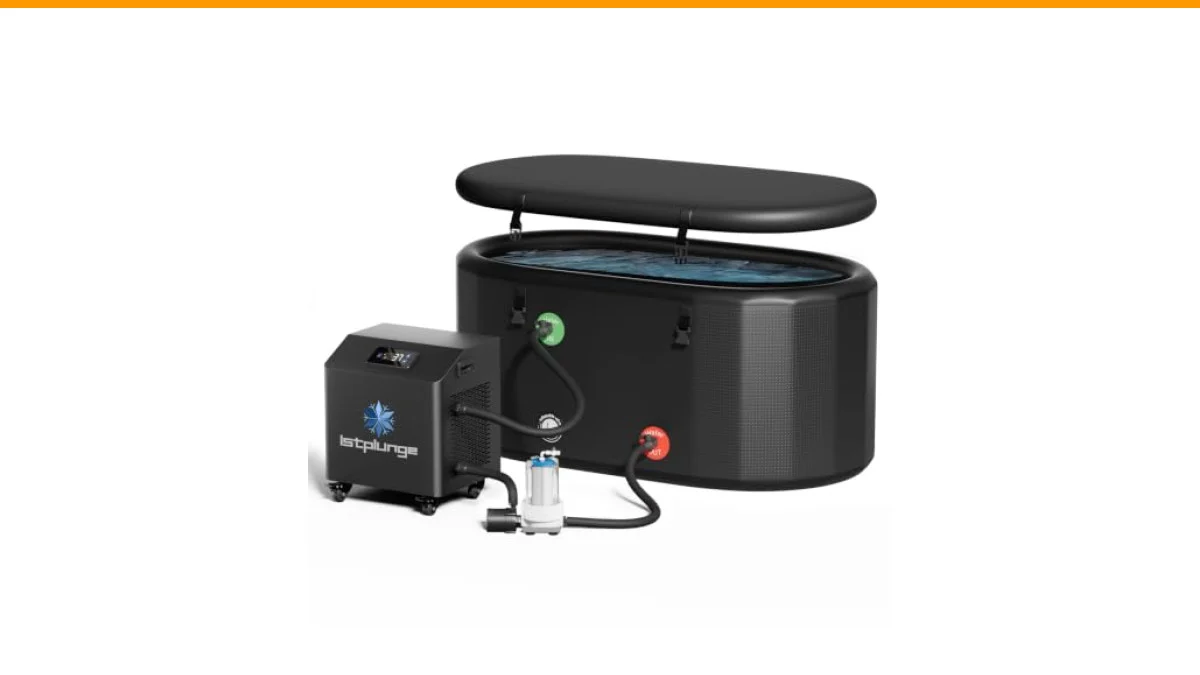
Many people associate contrast therapy with expensive spa treatments. Fortunately, you can enjoy its benefits in your home spa, even on a budget. In this article, we’ll provide practical tips tailored for home spa owners to implement effective contrast therapy without the hefty price tag. You’ll also discover how products like the 1HP Ice Bath Chiller & Cold Plunge Tub Kit can enhance your experience.
Understanding Contrast Therapy
So, what exactly is contrast therapy? It involves alternating between hot and cold treatments. Typically, you might start with a hot bath or sauna, followed by a cold plunge or shower. This method can stimulate blood flow and speed up recovery times for athletes or anyone dealing with muscle soreness.
Research shows that contrast therapy can effectively reduce inflammation and improve mobility. The hot phase relaxes muscles, while the cold phase constricts blood vessels, which may help flush out toxins. Now, let’s get practical. How can you set this up in your home spa?
Setting Up Your Home Spa for Contrast Therapy
Establishing an effective contrast therapy setup doesn’t require extensive renovations. Here are some steps to consider:
- Hot Water Source: A bathtub or sauna works well for heat. If you have a portable sauna, use it. Otherwise, a hot bath is an excellent alternative.
- Cold Water Source: For the cold phase, a shower can suffice. Alternatively, consider investing in a cold plunge tub like the 1HP Ice Bath Chiller & Cold Plunge Tub Kit. This all-in-one system provides rapid cooling down to 37°F, making it easy to maintain a cold plunge at home.
- Timing: A good rule of thumb is to spend 3-5 minutes in the hot phase, followed by 1-3 minutes in the cold phase. Repeat this cycle 2-3 times, based on your comfort level.
It’s essential to stay hydrated before and after your session. Always listen to your body; if something feels off, adjust the temperatures or timing.
Cost-Effective Options for Contrast Therapy
Creating a contrast therapy experience can be affordable. Here’s a breakdown of options:
| Method | Cost | Pros | Cons |
|---|---|---|---|
| Hot Bath | Low (water cost) | Relaxing and easy to set up | Requires time to fill and heat |
| Portable Sauna | Moderate | Convenient and effective | Requires space and initial investment |
| Cold Shower | Low (water cost) | Accessible and easy | Less immersion than a tub |
| Cold Plunge Tub | Higher (considering purchase) | Professional-grade and efficient | Initial cost can be significant |
Investing in a cold plunge tub like the one mentioned earlier can be a game-changer for those serious about recovery. It eliminates the hassle of ice bags and provides a consistent experience.
Maintaining Your Contrast Therapy Setup
Keeping your home spa ready for contrast therapy is essential. Regular maintenance ensures optimal performance and hygiene. Here are a few tips:
- Water Quality: For a cold plunge tub, ensure you have a filtration system. The 1HP Ice Bath Chiller comes with a high-performance filter that keeps your water clean and fresh.
- Temperature Checks: Regularly monitor water temperatures to ensure they remain within your desired range. This is particularly important for cold plunge tubs, which need precise temperature control.
- Cleaning Schedule: Establish a routine for cleaning both hot and cold areas. Regularly change water in baths and ensure saunas are wiped down.
A clean environment enhances the therapeutic effects of your sessions. Plus, it makes for a more enjoyable experience.
Common Questions About Contrast Therapy
1. How often should I do contrast therapy?
Most experts recommend 1-3 times per week, depending on your activity level and recovery needs. Athletes may benefit from more frequent sessions.
2. Can I do contrast therapy alone?
Yes, many people practice it solo. Always ensure you have a safe setup and listen to your body’s signals.
3. What should I wear for contrast therapy?
Comfortable swimwear or workout attire is ideal. Avoid anything that restricts movement.
4. Are there any risks involved?
Contrast therapy generally is safe. However, individuals with certain health conditions should consult a healthcare provider before starting.
5. What’s the best temperature for the cold plunge?
Most people find temperatures between 50°F and 60°F effective. However, some prefer colder temperatures for more intense exposure.
Quick Tips for Home Spa Owners
- Invest in a reliable hot water source.
- Consider options like the 1HP Ice Bath Chiller for efficient cold plunges.
- Maintain water quality with regular cleaning and filtration.
- Experiment with different timing for hot and cold phases.
- Stay hydrated before and after your sessions.
- Listen to your body and adjust temperatures as needed.
- Enjoy the process; it’s about relaxation and recovery at home.