 Electric Baseboard Heaters: Pros and ConsWatch on YouTube
Overview of Electric Baseboard Heaters
Electric baseboard heaters are popular for their ability to provide efficient, localized heating in homes and offices. They work by heating air that circulates through the unit and into the room, making them ideal for maintaining comfortable temperatures during cold months. These heaters can be installed as standalone units in individual rooms or as part of a larger heating system.
One of the appealing aspects of electric baseboard heaters is their simplicity. Users can easily control the temperature with a thermostat, offering customizable comfort levels. However, like any heating system, it’s crucial to understand the costs associated with both running and maintaining electric baseboard heaters. This article will provide a detailed breakdown of these costs, helping you make informed decisions for your heating needs.

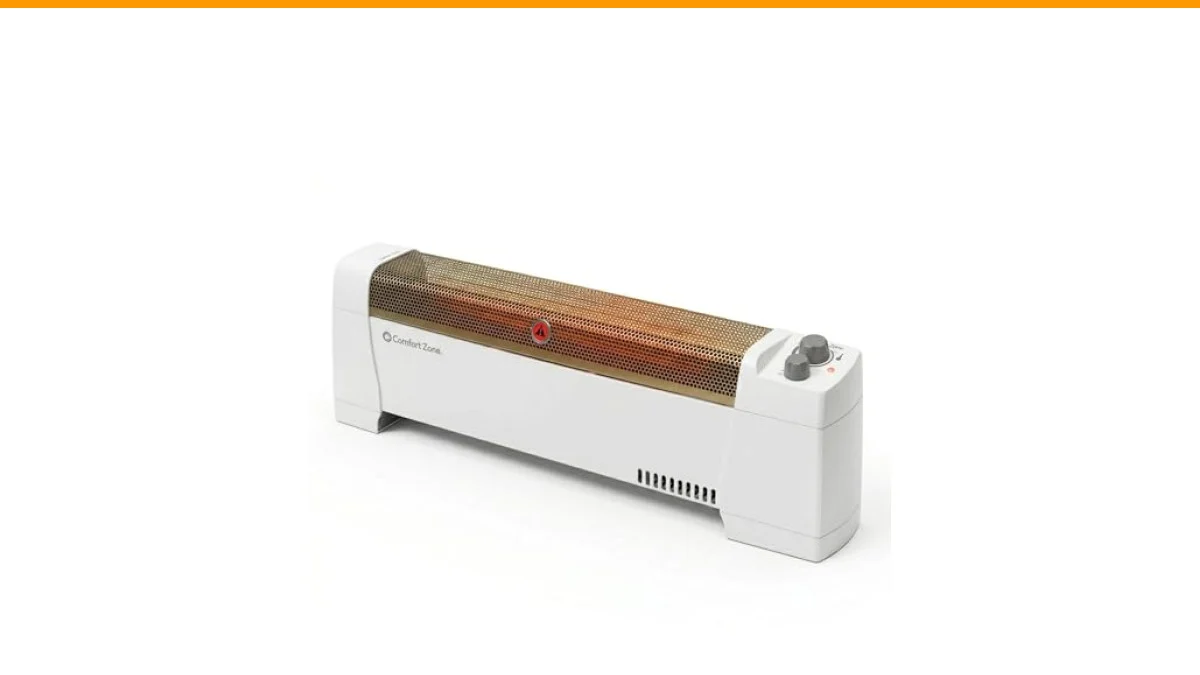
COMFORT ZONE
Comfort Zone Electric Baseboard Space Heater with Adjustable Thermostat, Dent-Proof End Panels, Overheat Protection, Tip-Over Switch, & Stay-Cool Body, Ideal for Home, Bedroom, & Office, 1,500W, CZ600
- EFFICIENT AND VERSATILE HEATING: Designed for medium-sized rooms, this 1500 Watt convection baseboard heater delivers powerful per…
- SAFETY AT ITS BEST: Rest easy knowing that this heater prioritizes your safety. It is equipped with an advanced safety system, inc…
- WHISPER-QUIET OPERATION: Experience undisturbed tranquility in your space with this electric baseboard heater's silent operation.…
The Comfort Zone Electric Baseboard Space Heater is a prime example of an efficient electric heater. With features like an adjustable thermostat and safety mechanisms, it delivers effective heating while allowing users to manage costs effectively.
Cost Breakdown of Electric Baseboard Heaters
The total cost to run an electric baseboard heater comprises several components: installation costs, running costs, and maintenance. Understanding each element can help homeowners budget effectively.
Installation Costs
Installation costs can vary significantly based on factors such as the type of heater, regional labor rates, and whether you opt for DIY installation or hire a professional. Here’s a rough estimate of installation costs:
- **DIY Installation**: $50 – $100 per unit for materials.
- **Professional Installation**: $300 – $600 per unit, including labor.
Keep in mind that hiring a professional ensures proper installation, which can prevent issues down the line.
Running Costs
Running costs are the most critical aspect of budgeting for electric baseboard heaters. To calculate these, consider the heater’s wattage, local electricity rates, and usage hours. Here’s how to break it down:
- **Determine Wattage**: Most electric baseboard heaters range from 500W to 1500W. For example, the Comfort Zone heater has a capacity of 1500W.
- **Calculate Electricity Cost**: Use the formula:
Running Cost = (Wattage / 1000) x Hours Used x Cost per kWh
If you use a 1500W heater for 8 hours daily and your electricity cost is $0.13 per kWh, the calculation would be:
Running Cost = (1500 / 1000) x 8 x 0.13 = $1.56 per day. - **Monthly Costs**: Multiply the daily cost by 30 for a monthly estimate:
Monthly Cost = $1.56 x 30 = $46.80.
Maintenance Costs
Electric baseboard heaters require minimal maintenance. Regular dusting and occasional professional checks can keep them running efficiently. Budgeting around $20 – $50 annually for maintenance is a safe bet.
Factors Affecting Installation and Running Costs
Several factors can influence both installation and running costs:
- Type of Heater: Different models come with varying features, which can affect the price.
- Regional Pricing: Labor and electricity rates vary by location.
- Usage Patterns: How often and how long you run the heater can significantly impact costs.
Energy Efficiency and Savings Potential
Energy efficiency is a crucial consideration when evaluating the cost to run an electric baseboard heater. Look for heaters with higher efficiency ratings, which can save you money in the long run. For example, a heater with an efficiency rating of 95% uses less energy to produce the same amount of heat as a lower-rated model.
Additionally, utilizing a programmable thermostat can help optimize energy use. This allows you to set the heater to run only when needed, further reducing costs. For instance, turning the heater down at night or when you’re not home can lead to significant savings.
DIY Installation vs. Hiring a Professional
Deciding between DIY installation and hiring a professional can affect both upfront costs and long-term performance. DIY installation can save money, but it requires knowledge of electrical systems and local building codes. Incorrect installation can lead to inefficiencies or even safety hazards.
Hiring a professional ensures that the heater is installed correctly and complies with regulations, which can prevent costly repairs later. Weigh your options carefully based on your skill level and comfort with electrical work.
Regional Pricing Variations and Trends
Electricity costs and installation rates vary widely across the country. For instance, areas with higher electricity rates will naturally incur higher running costs. It’s essential to research local rates and potentially consult with local contractors to get accurate estimates for both installation and ongoing expenses.
According to sources like Homewyse, installation costs can vary significantly, so it’s wise to get multiple quotes to find the best deal.
Long-term Cost Analysis and Environmental Considerations
When considering long-term costs, think about the lifespan of the heating system. Electric baseboard heaters can last 20–30 years with proper maintenance. Factor in the initial investment, running costs, and maintenance when evaluating long-term affordability.
From an environmental standpoint, electric baseboard heaters are generally less eco-friendly than other heating solutions like heat pumps or solar energy systems. However, if your electricity comes from renewable sources, this can mitigate some environmental impacts.
Common Questions about Electric Baseboard Heater Costs
What is the average cost to run an electric baseboard heater?
The average cost to run an electric baseboard heater is typically between $30 to $60 per month, depending on usage and electricity rates.
Are electric baseboard heaters expensive to install?
Installation costs can range from $300 to $600 per unit when hiring a professional. DIY installation can lower costs significantly.
How can I reduce the running costs of my heater?
Using a programmable thermostat and only heating occupied rooms can significantly reduce running costs.
What factors affect electricity costs for heating?
Factors include local electricity rates, heater wattage, and how long the heater is in use each day.
Are electric baseboard heaters environmentally friendly?
They can be less environmentally friendly unless powered by renewable energy sources but provide efficient heating for homes.
Final Thoughts
- Consider both installation and running costs when budgeting for electric baseboard heaters.
- Use a programmable thermostat to optimize energy efficiency.
- Regular maintenance can prolong the lifespan of your heater.
- Research local electricity rates to estimate running costs accurately.
- Evaluate DIY installation versus professional help based on your expertise.
- Factor in long-term costs when planning your heating solutions.
- Explore eco-friendly energy sources to reduce environmental impacts.

