What's the most efficient type of electric heater?Watch on YouTube
Understanding Electric Heater Costs
As temperatures drop, many people turn to electric heaters for warmth. Imagine coming home after a long day, and the first thing you want is a cozy, warm environment. Electric heaters can make that happen, but they also bring up an important question: how much does it cost to run an electric heater overnight? Understanding this cost can help you manage your heating bills effectively.
This article will dive into the details of calculating the cost of running an electric heater overnight. You’ll learn about the different types of heaters, factors affecting their efficiency, and strategies to save on your energy bills. We’ll also include user experiences and insights into environmental impacts, making this a comprehensive guide.

DREO
DREO Space Heater, Portable Electric Heaters for Indoor Use with Thermostat | 2026 Upgraded, 34dB Quiet, 12H Timer, 5 Mode, Remote, 1500W PTC Ceramic Fast Safety Heat for Office Bedroom Home, Gold
- Powerful heat that fits everywhere: DREO space heaters for indoor combines Hyperamics 1500W advanced PTC system with a new heat fu…
- Unbreakable safety:DREO goes beyond the unexpected to deliver peace of mind with every room heater. The innovative tilt-detection…
- Ultimate temperature control: The enhanced NTC chipset brings more precision to turn your space heater with thermostat into a smar…
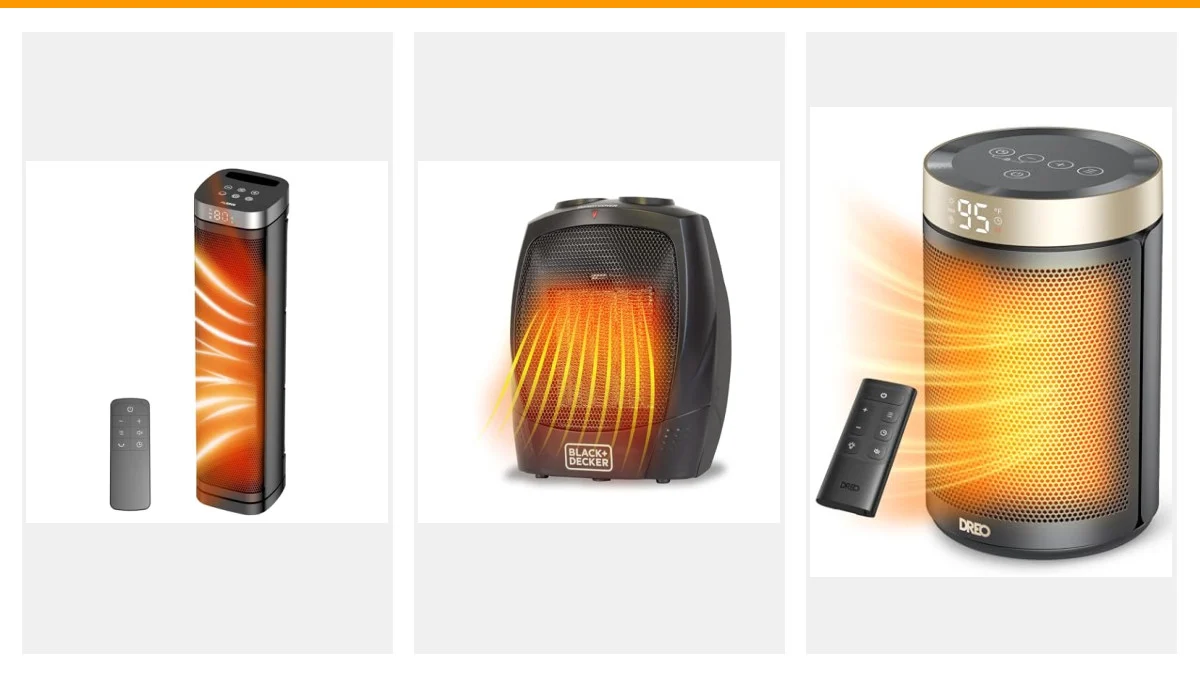
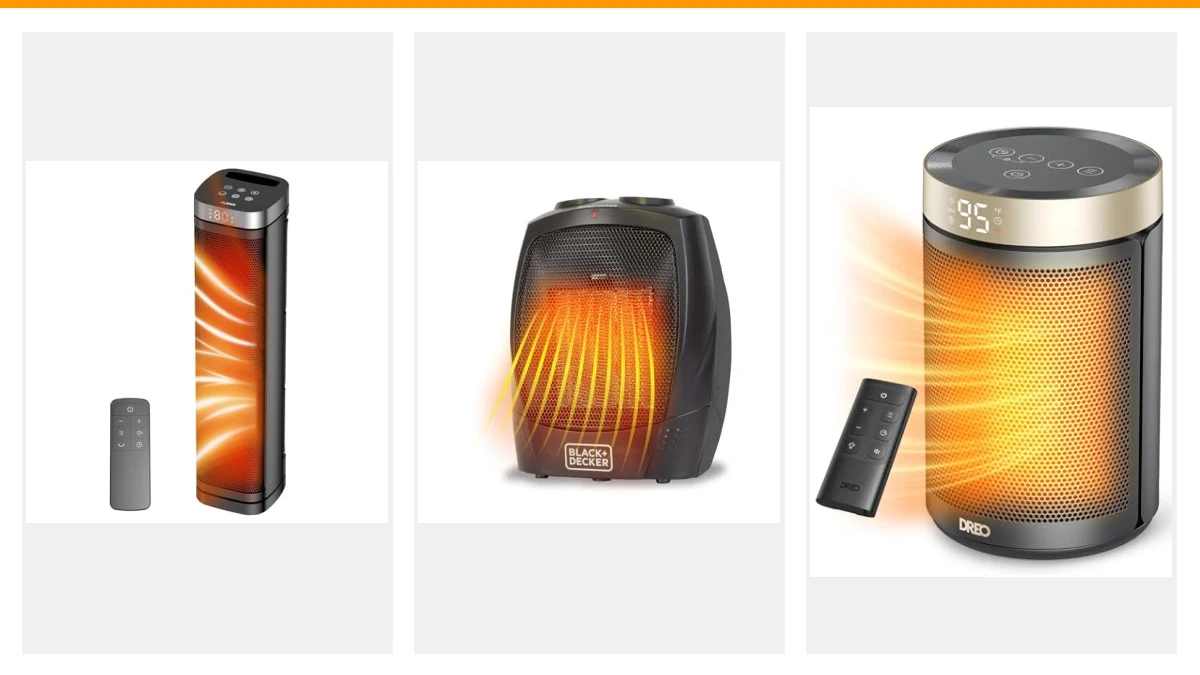
For those looking for an efficient heating solution, the DREO Space Heater is a noteworthy option. This portable electric heater combines advanced heating technology with safety features, making it a reliable choice for indoor use.
How to Calculate Your Electric Heater Running Cost
Calculating the cost to run an electric heater overnight involves a few straightforward steps. First, you need to understand the wattage of your heater, which is typically found on the label or in the user manual.
Here’s a simple formula to determine your heater’s running cost:
- Find the wattage of your heater (in watts).
- Convert watts to kilowatts by dividing by 1,000.
- Multiply by the number of hours the heater will run.
- Multiply that number by your electricity rate (per kilowatt-hour).
For instance, if you have a 1500-watt heater running for 8 hours with an electricity rate of $0.12 per kilowatt-hour, the calculation would look like this:
1500 watts / 1000 = 1.5 kW
1.5 kW * 8 hours = 12 kWh
12 kWh * $0.12 = $1.44
So, it would cost $1.44 to run that heater overnight.
Types of Electric Heaters and Their Costs
Electric heaters come in various types, each with different operating costs and efficiencies. The main types include convection heaters, infrared heaters, and oil-filled radiators. Let’s explore their running costs.
Infrared Heaters vs. Convection Heaters
Infrared heaters work by emitting infrared radiation that directly warms objects and people in the room, making them efficient for spot heating. Convection heaters, on the other hand, warm the air in the room, which can take longer and result in higher energy consumption.
Here’s a quick comparison of their costs:
- Infrared Heaters: Generally, they use around 300-1500 watts. Their efficiency can lead to lower costs in smaller spaces since they heat directly.
- Convection Heaters: Typically, they operate at 750-1500 watts. They may take longer to heat a room but distribute warmth evenly.
When considering which heater to use, think about your heating needs. If you only need to heat a small area, an infrared heater may be more cost-effective.
Factors Affecting Electric Heater Efficiency
Several factors can influence how much it costs to run an electric heater overnight. Understanding these can help you optimize your heater’s performance and reduce costs.
Wattage and Room Size Considerations
The size of the room and the heater’s wattage play significant roles in energy consumption. A larger room may require a more powerful heater to maintain a comfortable temperature, resulting in higher costs. Generally, a heater needs about 10 watts of power per square foot of space for adequate heating.
Insulation and Its Role in Heating Costs
Insulation affects how heat is retained in a space. Poor insulation leads to heat loss, causing heaters to work harder and consume more energy. Ensure your home is well-insulated to improve heating efficiency and lower costs. Simple measures, such as sealing drafts and using thermal curtains, can significantly impact your heating bills.
Regional Variations in Electricity Rates
Electricity rates vary widely depending on your location. Some regions have higher rates than others, significantly impacting your overall heating costs. For instance, states with a higher reliance on renewable energy sources may have lower electricity costs compared to those dependent on fossil fuels. Always check your local utility rates to estimate your heater’s running cost accurately.
Cost-Saving Strategies for Electric Heating
Reducing the cost to run an electric heater overnight involves strategic usage and maintenance. Here are a few effective strategies:
Efficient Usage Tips
- Use a Timer: Set your heater to turn on shortly before you return home. This way, you won’t have to keep it running all night.
- Zone Heating: Heat only the rooms you use most often, rather than the entire house.
- Maintain Your Heater: Regular cleaning and maintenance can help your heater run more efficiently.
Alternative Heating Options
Consider alternative heating solutions, such as heat pumps or gas heaters, which may offer lower operating costs in the long run. Though they may require a higher initial investment, their efficiency can lead to significant savings over time.
Environmental Impact of Electric Heating
The environmental impact of electric heating depends on how the electricity is generated. If your power comes from renewable sources, electric heating can be a more sustainable option. However, if it relies on fossil fuels, it may contribute to higher greenhouse gas emissions. Always consider the source of your electricity when evaluating the environmental footprint of your heating methods.
User Experiences and Case Studies
User testimonials highlight the real-world implications of electric heating costs. For example, a family in a cold climate switched to an infrared heater and reported a 30% reduction in their monthly heating bill. Another user noted that despite the higher upfront cost of a DREO heater, its efficiency and safety features provided peace of mind and lower energy bills in the long run.
Frequently Asked Questions
How much does it cost to run a 1500-watt electric heater for 8 hours?
If you run a 1500-watt heater for 8 hours at an electricity rate of $0.12 per kWh, it will cost approximately $1.44.
Are infrared heaters more cost-effective than convection heaters?
Infrared heaters can be more cost-effective for spot heating, as they warm objects directly rather than heating the air, which can be less efficient in larger spaces.
What factors affect the efficiency of electric heaters?
Room size, heater wattage, insulation quality, and regional electricity rates all significantly affect electric heater efficiency and running costs.
Can I reduce my heating costs?
Yes, using timers, heating only occupied rooms, and maintaining your heater can help lower heating costs.
What is the environmental impact of electric heating?
The environmental impact varies based on how the electricity is generated. Renewable sources offer a lower impact compared to fossil fuels.
Take Action With These Key Tips
- Calculate your heater costs using the wattage and local electricity rates.
- Choose the right type of heater for your space and needs.
- Improve insulation to reduce heat loss.
- Utilize timers and zone heating to maximize efficiency.
- Explore alternative heating options for better long-term savings.
- Consider the environmental impact of your energy source.
- Regularly maintain your heater for optimal performance.