Understanding Ceramic Heater Odors
Ceramic heaters have surged in popularity due to their efficient heating capabilities and compact designs. However, many users report experiencing unpleasant smells when they first use their ceramic heaters. If you’ve recently purchased one, you might be wondering: do ceramic heaters smell? The answer is multifaceted and involves understanding the reasons behind these odors, how to minimize them, and what maintenance steps can help.
In this article, you’ll learn about the causes of odors in ceramic heaters, effective maintenance tips to keep your heater functioning optimally, and how ceramic heaters compare to other heating options regarding smell and emissions. We will also address concerns from chemically sensitive individuals and share user experiences to give you a comprehensive view of ceramic heater odors.

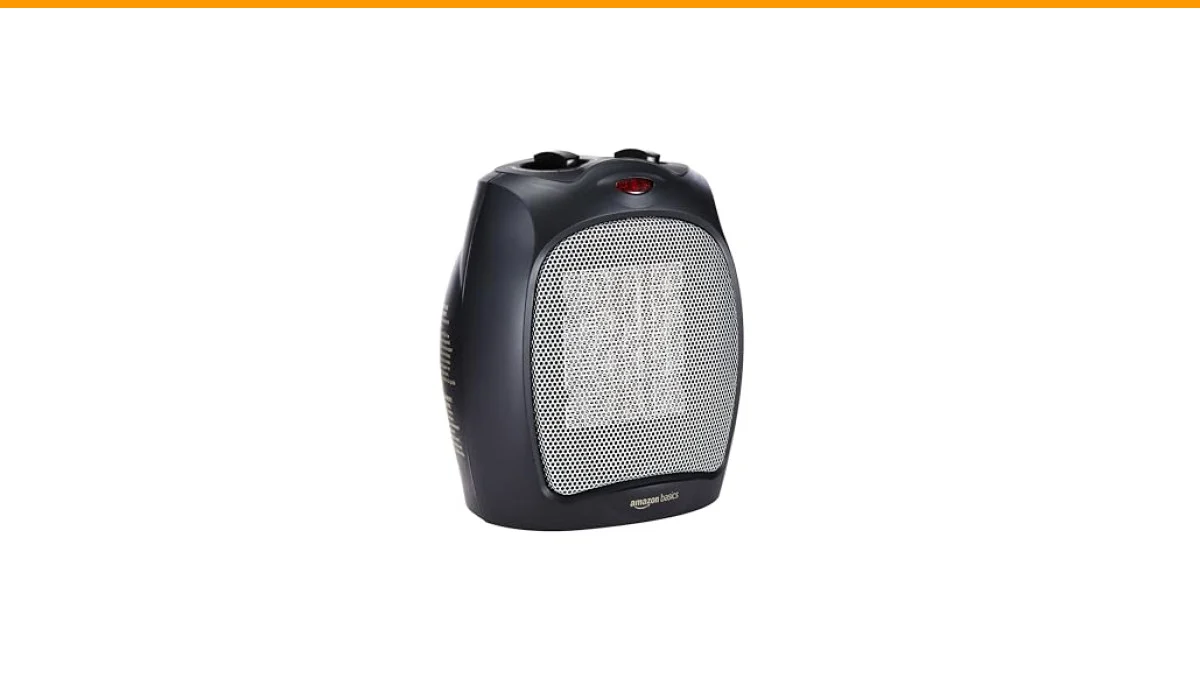
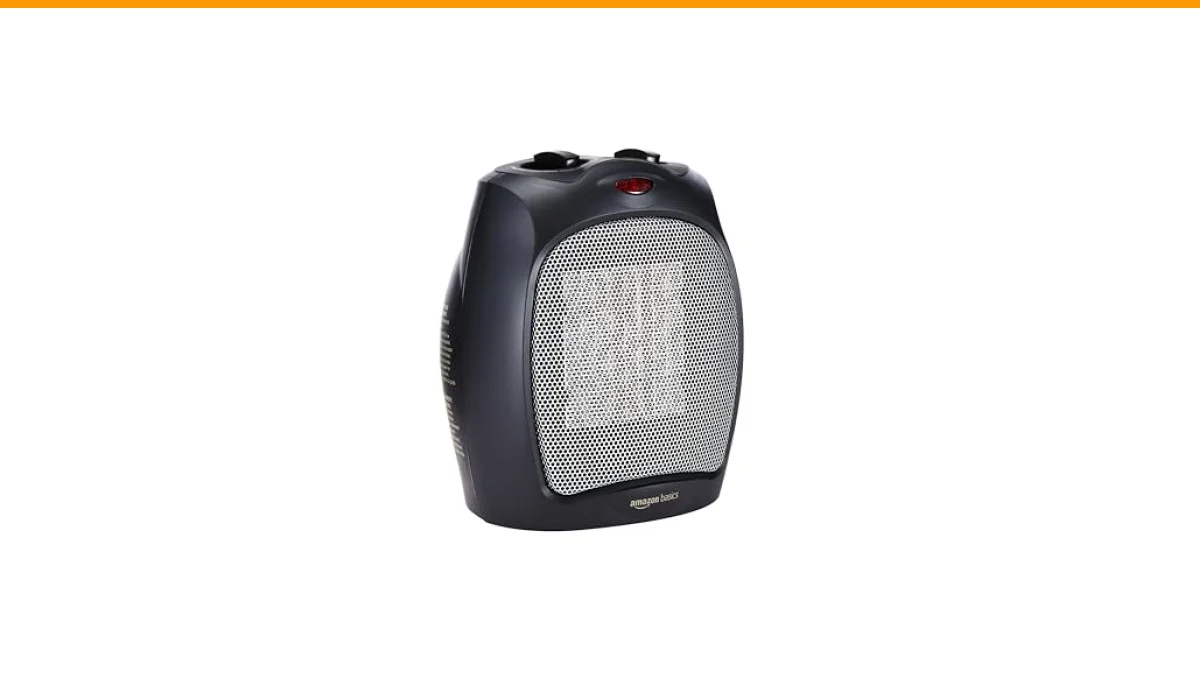
Amazon Basics
Amazon Basics Ceramic Space Heater, Portable Indoor Heating Solution, With Overheat and Tip-Over Protection, Thermostat, Non-Oscillating, 1500W, 7.52"D x 6.34"W x 9.45"H, Black
- CUSTOMIZABLE HEATING OPTIONS: Choose from three settings to suit your needs - High (1500W), Low (900W), or Fan Only for air circul…
- COMPACT & PORTABLE: Weighing just 3 lbs and sized at 7.5“L x 6.3”W x 9.5“H, this space heater is easy to move and perfect for your…
- Built-in Tip-Over Protection, Overheat Protection, and a Power Indicator Light for safe operation.
For instance, consider the Amazon Basics Ceramic Space Heater. This compact heater offers customizable heating options and built-in safety features, making it a reliable choice for indoor heating. However, like many heaters, it may emit a smell when first used.
Do Ceramic Heaters Smell?
Yes, ceramic heaters can emit odors, particularly when they are new. The smells can vary based on the materials used in manufacturing and any residual substances from the production process. Commonly, users report a burning smell or chemical odor that typically dissipates after initial use.
Why New Ceramic Heaters Smell
The initial odors from ceramic heaters often stem from the manufacturing process. Many heaters are coated with protective substances that may release fumes when heated for the first time. This phenomenon is called off-gassing, which occurs when volatile organic compounds (VOCs) evaporate and are released into the air.
New ceramic heaters can also have dust accumulation from storage and transportation. When the heater is turned on for the first time, the dust burns off, leading to a temporary smell. This is usually harmless and will diminish after a short period of use.
Common Causes of Odors in Ceramic Heaters
Several factors contribute to the smells associated with ceramic heaters:
- Manufacturing Residues: Chemical residues from production can cause odors until they are burned off.
- Dust and Debris: Dust accumulation from storage can burn when the heater is used for the first time.
- Electrical Components: The heating elements may produce a slight odor when they heat up, especially if they are new.
- Moisture: Humidity can affect the heater’s materials, leading to musty smells.
Effective Maintenance Tips for Odor Control
To minimize odors from your ceramic heater, consider implementing the following maintenance tips:
- Initial Burn-In: Run the heater in a well-ventilated area for a few hours before regular use. This helps eliminate initial odors.
- Regular Cleaning: Dust the heater regularly using a soft cloth or vacuum attachment. Ensure the unit is off and cool before cleaning.
- Use Air Purifiers: Consider using air purifiers in the same space to help reduce any lingering smells.
- Avoid Humid Areas: Do not use ceramic heaters in damp environments as moisture can lead to odors.
Comparing Ceramic Heaters to Other Heating Options
When considering heating options, it’s essential to understand how ceramic heaters stack up against others in terms of odor and emissions. Here’s a comparison table of ceramic heaters versus other common heating types:
| Heating Type | Odor Potential | Emissions | Heating Efficiency |
|---|---|---|---|
| Ceramic Heaters | Initial odors possible | Low | High |
| Oil-Filled Radiators | Minimal odor | Low | Moderate |
| Infrared Heaters | Minimal odor | Very low | High |
| Gas Heaters | Potential for strong odors | Higher | High |
Addressing Concerns for Chemically Sensitive Individuals
For individuals with chemical sensitivities, any odor from ceramic heaters can be concerning. Here are steps to consider:
- Choose heaters labeled as low-VOC.
- Ensure proper ventilation during initial use.
- Consult the manufacturer for material safety data sheets.
- Consider alternative heating solutions, like infrared heaters, which generally have lower emissions.
User Experiences and Solutions
User feedback highlights a range of experiences with ceramic heater odors. Many users report unpleasant smells during the initial use but note that these smells dissipate after a few hours. Regular cleaning also helps mitigate ongoing odor issues. Some users recommend using essential oil diffusers nearby to mask any residual smells.
Frequently Asked Questions about Ceramic Heater Smells
1. Is it normal for my ceramic heater to smell when it’s new?
Yes, it’s common for new ceramic heaters to emit an odor during the first use. This usually diminishes after a short period.
2. How can I reduce the smell from my ceramic heater?
Run the heater in a well-ventilated area for a few hours before regular use and keep it clean to minimize odors.
3. Are ceramic heaters safe to use if they smell?
Typically, the smells are harmless. However, if the odor persists or is bothersome, consult the manufacturer.
4. Can I use a ceramic heater in a bathroom?
It’s not recommended to use ceramic heaters in high-moisture areas like bathrooms, as humidity can lead to odors and safety concerns.
5. Do all ceramic heaters smell?
While most ceramic heaters may emit odors when new, the intensity and duration can vary based on the model and materials used.
Takeaways for Ceramic Heater Users
- Initial odors are typical and usually fade after a few hours.
- Run the heater in a ventilated area to eliminate smells quickly.
- Regular cleaning can help maintain odor control.
- Avoid using heaters in humid areas to prevent moisture-related odors.
- For sensitive individuals, consider low-VOC options and ensure good airflow.
- User experiences suggest that most smells are temporary and manageable.
- Consult manufacturer guidelines for specific maintenance and safety tips.