 Do Electric Space Heater Produce Carbon MonoxideWatch on YouTube
Introduction to Ceramic Heaters and Carbon Monoxide
As winter approaches, many people search for effective ways to keep their homes warm. Ceramic heaters have become a popular choice due to their efficiency and portability. However, a common concern arises: do ceramic heaters produce carbon monoxide? This question is vital for anyone considering using a ceramic heater, especially in enclosed spaces.
This article aims to provide a thorough understanding of ceramic heaters, their emissions, and safety guidelines. You’ll learn about carbon monoxide, its sources and risks, and how ceramic heaters compare to other heating options.

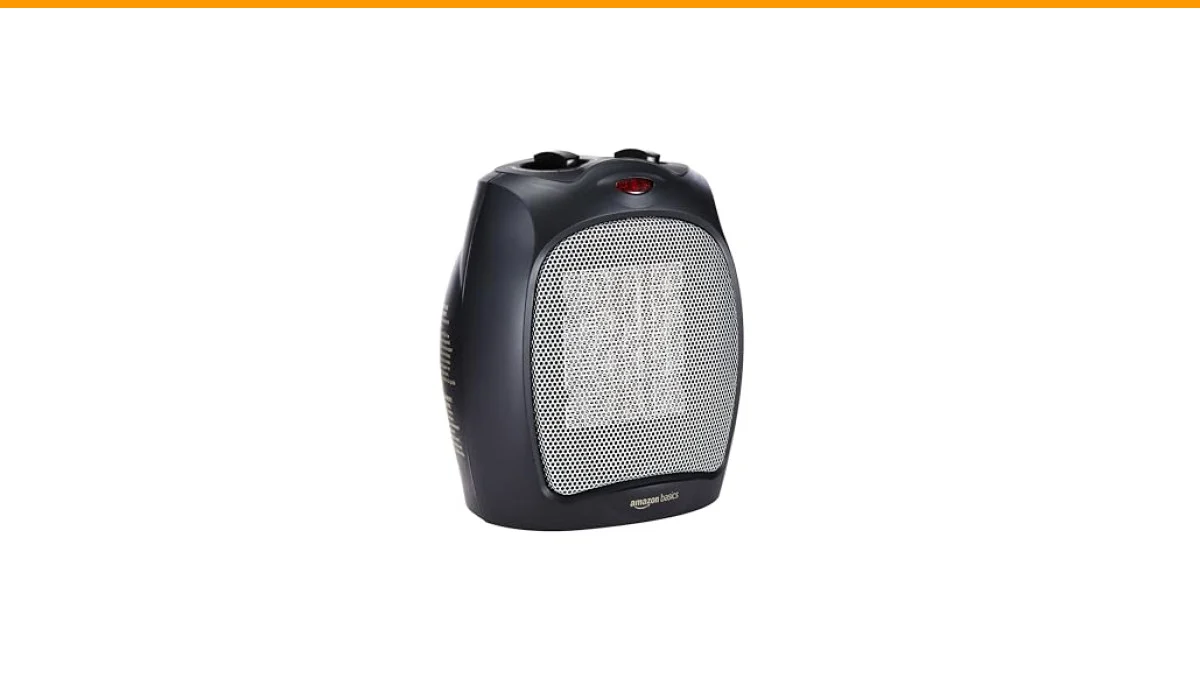
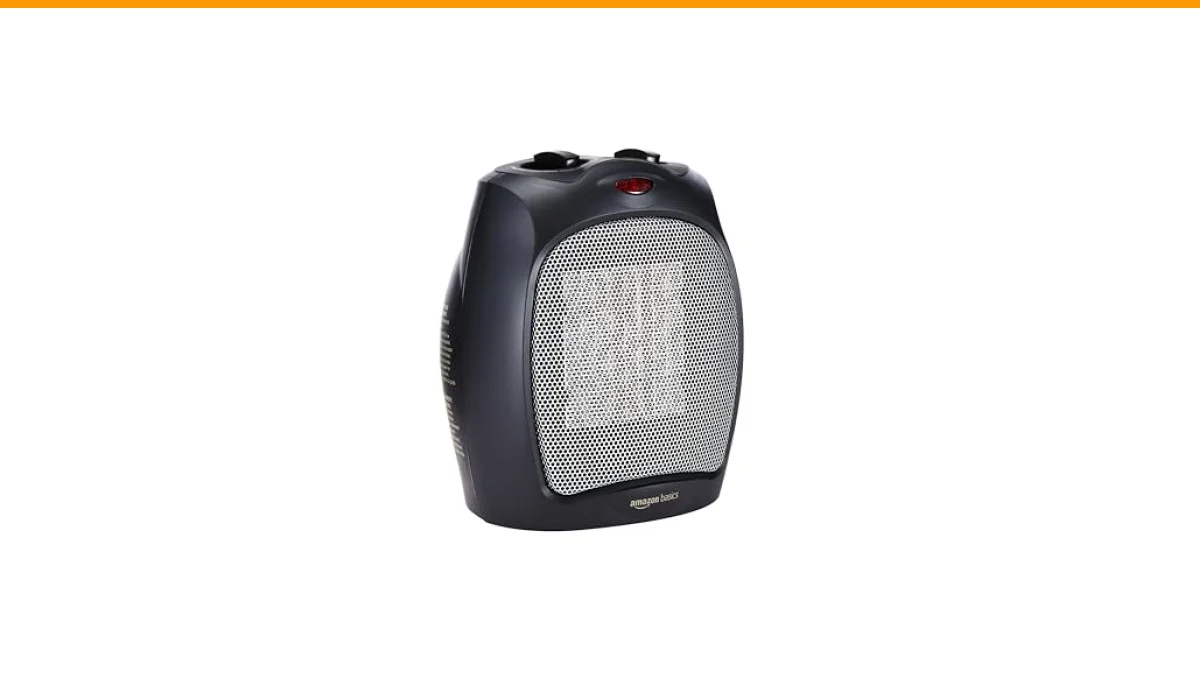
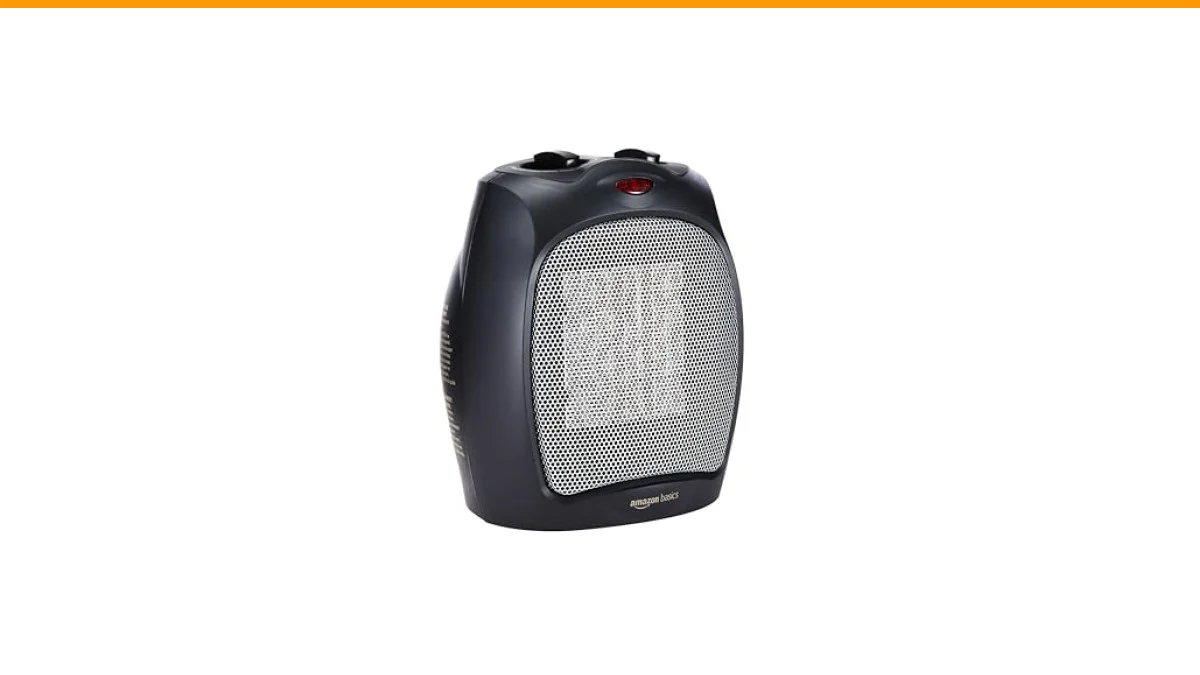
Amazon Basics
Amazon Basics Ceramic Space Heater, Portable Indoor Heating Solution, With Overheat and Tip-Over Protection, Thermostat, Non-Oscillating, 1500W, 7.52"D x 6.34"W x 9.45"H, Black
- CUSTOMIZABLE HEATING OPTIONS: Choose from three settings to suit your needs - High (1500W), Low (900W), or Fan Only for air circul…
- COMPACT & PORTABLE: Weighing just 3 lbs and sized at 7.5“L x 6.3”W x 9.5“H, this space heater is easy to move and perfect for your…
- Built-in Tip-Over Protection, Overheat Protection, and a Power Indicator Light for safe operation.
The Amazon Basics Ceramic Space Heater offers a portable indoor heating solution with customizable settings, making it an excellent option for those looking to stay warm without the CO risk associated with other heating methods. With built-in safety features like tip-over and overheat protection, this heater ensures a secure heating experience.
Understanding Carbon Monoxide: Sources and Risks
Carbon monoxide (CO) is a colorless, odorless gas produced during combustion. Common sources include:
- Gasoline and diesel engines
- Wood-burning stoves
- Gas fireplaces and heaters
- Charcoal grills
When these fuels burn, they can release CO, which is harmful and potentially deadly in high concentrations. Symptoms of CO poisoning include headaches, dizziness, and confusion, making it crucial to monitor sources of CO in your home.
In contrast, electric heaters, including ceramic types, do not produce CO because they do not rely on combustion. This distinction makes ceramic heaters a safer alternative for indoor heating, especially in small or poorly ventilated spaces.
Do Ceramic Heaters Produce Carbon Monoxide?
As previously mentioned, ceramic heaters are electric devices. They work by using electrical resistance to heat ceramic plates, which then radiate warmth into the space. Because they do not burn fuel or rely on combustion, ceramic heaters do not produce carbon monoxide.
Scientific Studies and Expert Opinions
Numerous studies support the claim that electric heaters, including ceramic models, do not emit CO. For instance, research conducted by the Nifty House indicates that electric heaters generate heat without harmful emissions. Experts in indoor air quality confirm that electric heaters are a safe option, provided they are used according to manufacturer guidelines.
Comparison with Other Heater Types: Emissions and Safety
When comparing heater types, it’s essential to consider both emissions and safety. Below is a comparative table highlighting different heater types, their emissions, and safety considerations:
| Heater Type | Emissions | Safety |
|---|---|---|
| Ceramic Heaters | No CO emissions | Safe for indoor use |
| Gas Heaters | Produces CO | Requires ventilation |
| Oil-Filled Radiators | No CO emissions | Safe for indoor use |
| Wood-Burning Stoves | Produces CO | Requires proper venting |
From the table, it’s clear that ceramic heaters and electric oil-filled radiators provide safe heating without CO emissions, while gas and wood-burning alternatives pose risks if not adequately ventilated.
Safe Usage Guidelines for Ceramic Heaters
While ceramic heaters are generally safe, following specific guidelines can further enhance safety:
- **Keep away from flammable materials**: Maintain a safe distance from curtains, furniture, and other combustibles.
- **Use in well-ventilated areas**: Although ceramic heaters do not emit CO, proper ventilation helps improve air quality.
- **Turn off when leaving the room**: Ensure the heater is turned off when unattended to prevent accidents.
- **Regularly check for wear and tear**: Inspect the cord and plug for damage to avoid electrical hazards.
Maintenance Tips to Prevent CO Production
Even though ceramic heaters do not produce carbon monoxide, maintaining them is essential to ensure longevity and safe operation:
- **Clean regularly**: Dust and dirt can obstruct airflow and efficiency.
- **Inspect cords**: Look for frays or damage that could lead to electrical issues.
- **Store properly**: When not in use, store the heater in a dry place to prevent moisture buildup.
The Importance of Ventilation in Heating Spaces
Ventilation is crucial for any heating method, even those that do not emit CO. Proper airflow helps maintain indoor air quality and prevents overheating. Here are a few ventilation tips:
- **Open windows slightly**: Allow fresh air to circulate while using heaters.
- **Use exhaust fans**: In areas where heating is concentrated, fans can help distribute heat evenly and improve air quality.
- **Check air filters**: If using central heating systems, ensure filters are clean to maximize airflow.
Frequently Asked Questions about Ceramic Heaters and CO
1. Can ceramic heaters cause carbon monoxide poisoning?
No, ceramic heaters do not produce carbon monoxide, making them safe for indoor use.
2. Are ceramic heaters energy-efficient?
Yes, ceramic heaters can be energy-efficient, especially when used in small spaces or for spot heating.
3. How do I know if my heater is safe to use?
Check for certifications, inspect for damage, and follow the manufacturer’s guidelines for safe operation.
4. Should I use a carbon monoxide detector with a ceramic heater?
While not necessary for ceramic heaters, having a CO detector in your home is a good safety practice, especially if you use other fuel-burning appliances.
5. How long can I run a ceramic heater continuously?
Most ceramic heaters are designed for continuous use but refer to the manufacturer’s guidelines for specific recommendations.
Closing Thoughts on Safe Heating Practices
- Ceramic heaters are a safe choice for indoor heating, with no CO emissions.
- Regular maintenance ensures optimal performance and safety.
- Ventilation is critical for maintaining good air quality.
- Always follow manufacturer guidelines for safe operation.
- Consider using CO detectors for added safety, especially in homes with other heating sources.
- Stay informed about the different heater types and their safety profiles.
- Choose the right heater for your space to maximize comfort and safety.