As winter approaches, many people start to rely on electric heaters to keep their homes warm and cozy. The convenience of quickly heating a room without the need for central heating can be a lifesaver on chilly nights. However, a common concern arises: do electric heaters produce carbon monoxide? This article will clarify that issue and provide valuable insights into the safe use of electric heaters.
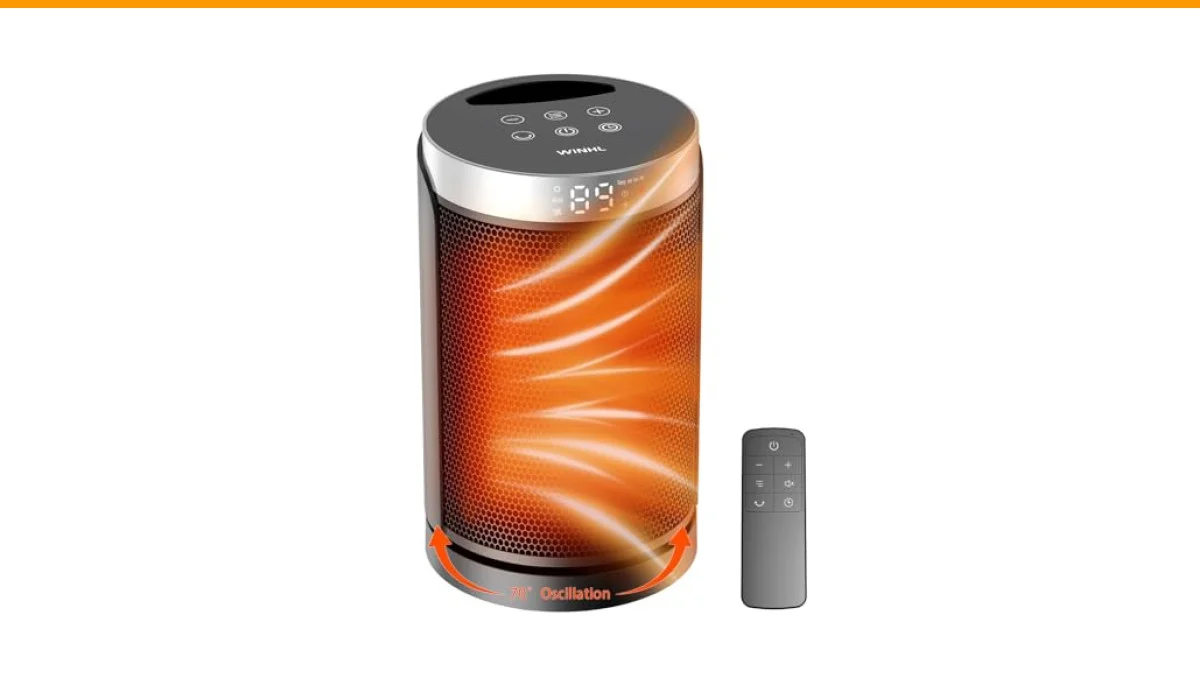
When you choose electric heating solutions like the WINHL Portable Electric Heater, you can enjoy a range of features such as fast heating, oscillation for even warmth distribution, and multiple safety protections. Understanding the mechanics behind electric heaters will help you use them safely and effectively.

WINHL
Space Heater, WINHL Portable Electric Heaters for Indoor Use,70°Oscillation | Thermostat, Remote Control, 12H Timer, 5 Modes, Small Quiet 1500W PTC Ceramic Fast Safety Heat for Office, Bedroom, Home
- 1500W PTC Ceramic Heat in Seconds — A 1500W PTC ceramic element starts blowing warm air within seconds, so a cold home office or b…
- 70° Oscillation Covers the Whole Corner — The 70° wide-angle auto oscillation sweeps warm air side to side instead of blasting one…
- Remote, Thermostat and 12H Timer — Adjust temperature, heating modes and the 12-hour timer from the remote, so you don't have to g…
Understanding Electric Heaters
Electric heaters convert electrical energy into heat, using various technologies like resistive heating, heat pumps, and radiant heat. Unlike gas heaters, which burn fuel to generate heat, electric heaters do not produce combustion byproducts, including carbon monoxide (CO). So, the short answer is: no, electric heaters do not produce carbon monoxide.
Electric heaters come in a variety of forms, from space heaters to wall-mounted units. They are generally considered safer than gas or oil heaters because they don’t rely on combustion. This eliminates the risk of carbon monoxide poisoning, which can occur if gas appliances malfunction or are improperly ventilated.
Types of Electric Heaters
There are several types of electric heaters, each with its own advantages. Understanding these types can help you make an informed decision about which heater best fits your needs:
- Convection Heaters: These heat the air around them, which then rises and circulates, warming the entire room.
- Radiant Heaters: These produce infrared radiation, directly heating objects and people in their path without warming the air first.
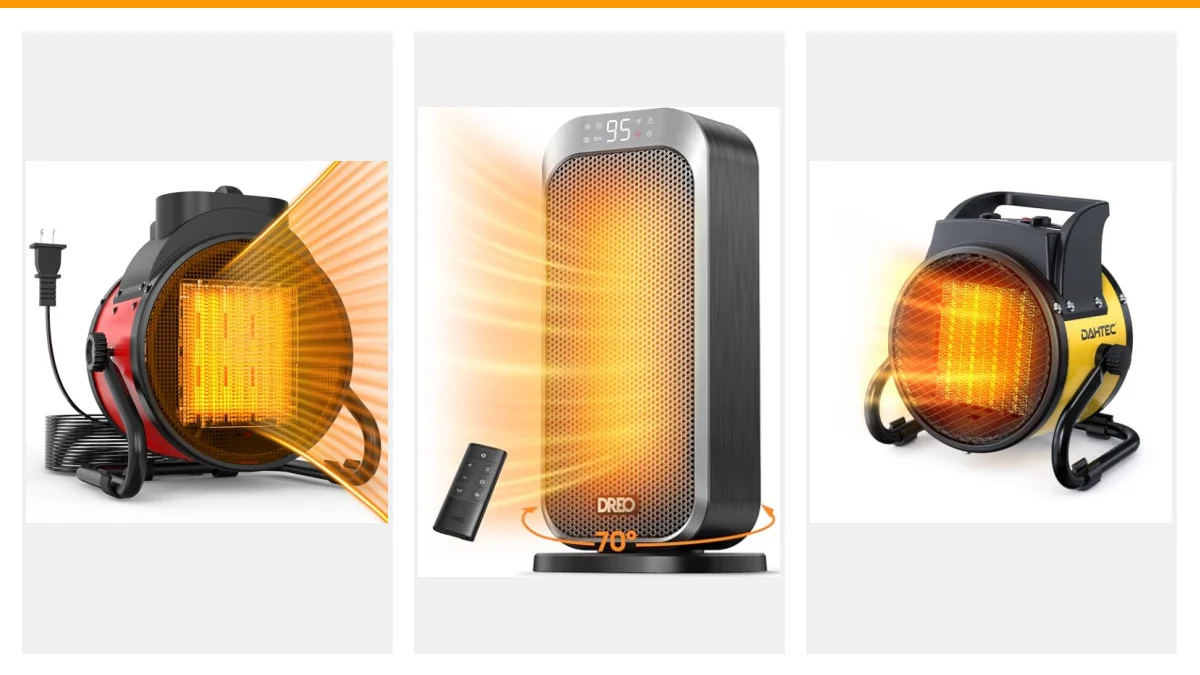
- Fan Heaters: These use a fan to blow warm air into the room quickly, providing instant warmth.
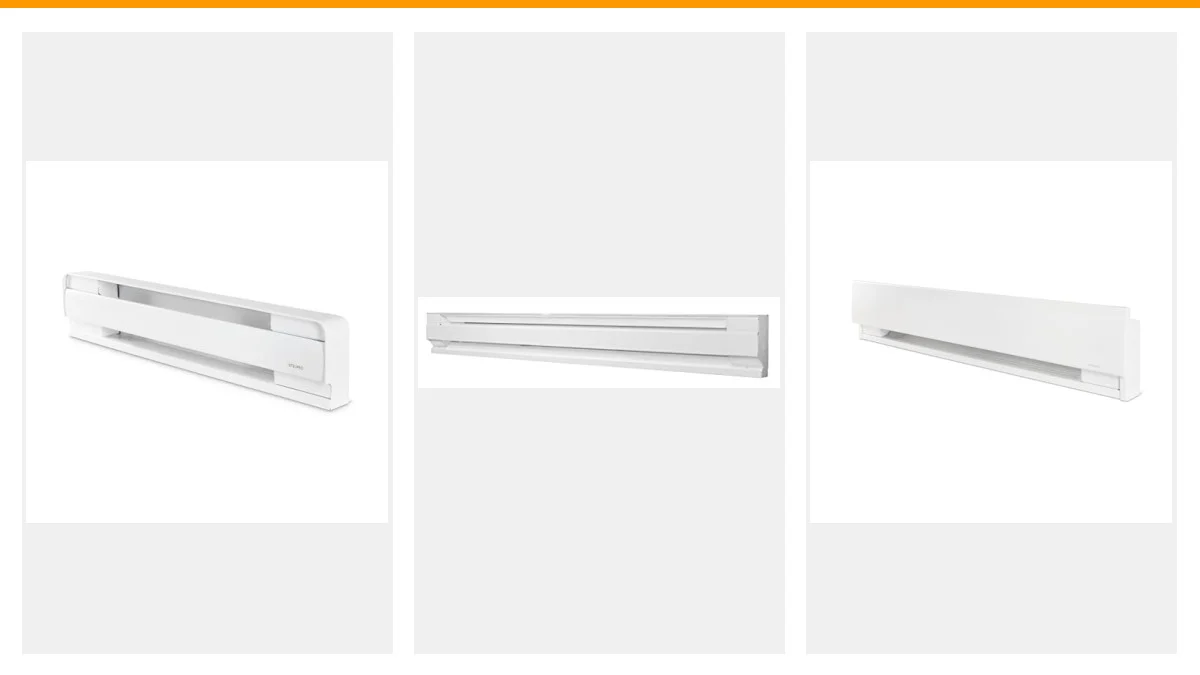
- Baseboard Heaters: Installed along the base of walls, they heat the room gradually and efficiently.
Safety Features to Look For
While electric heaters are generally safe, some models come with additional features to enhance safety. The WINHL Portable Electric Heater, for instance, has several protective features:
- Overheat Protection: Automatically shuts off the heater if it gets too hot.
- Tip-Over Switch: Turns the heater off if it tips over, preventing potential fire hazards.
- Remote Control: Allows for convenient adjustments without needing to approach the heater.
These features are especially important in households with children or pets. Always ensure that your heater is placed on a stable surface and away from flammable materials.
Comparative Safety Features of Electric Heaters
| Heater Type | Overheat Protection | Tip-Over Protection | Remote Control | Ideal Use |
|---|---|---|---|---|
| Convection Heater | Yes | Optional | No | Whole room heating |
| Radiant Heater | Yes | No | No | Targeted heating |
| Fan Heater | Yes | Optional | Yes | Quick heating |
| Baseboard Heater | Yes | Optional | No | Steady warmth |
What is carbon monoxide poisoning?
Carbon monoxide poisoning occurs when CO builds up in the bloodstream. CO is a colorless, odorless gas, making it particularly dangerous. Symptoms of poisoning include headache, dizziness, weakness, and confusion. It’s crucial to ensure proper ventilation for gas appliances to avoid CO buildup.
Can electric heaters be used safely indoors?
Yes, electric heaters are safe for indoor use. They do not produce carbon monoxide, unlike gas or fuel-burning heaters. However, proper placement and adherence to safety guidelines are necessary to minimize fire risks.
How can I prevent electric heater accidents?
To prevent accidents, always place the heater on a flat surface away from flammable materials. Use models with safety features like tip-over protection and overheat shut-off. Regularly inspect the heater for wear and tear.
Is it safe to leave an electric heater on overnight?
Leaving an electric heater on overnight can be safe if it has built-in safety features. However, it’s best to turn it off when you leave the room or go to sleep to reduce any risk of overheating or fire.
What should I do if my electric heater smells like burning?
If your electric heater emits a burning smell, unplug it immediately and inspect for any visible damage. If the smell persists, do not use it until it has been checked by a professional.
Final Thoughts
- Electric heaters do not produce carbon monoxide.
- Choose the right type of electric heater for your needs.
- Look for safety features like overheat protection and tip-over switches.
- Always maintain proper placement and ventilation.
- Regularly inspect your heater for any signs of damage.
- Use electric heaters in accordance with the manufacturer’s guidelines.
- Stay informed about potential risks and safety measures.