Introduction to Oil-Filled and Convection Heaters
When the chill of winter sets in, many of us scramble to find the best way to warm our homes. Two popular options are oil-filled and convection heaters. Both types serve the same fundamental purpose—heating indoor spaces—but they do so through different mechanisms. Understanding these differences can help you make an informed decision about which heater best suits your needs.
This article will delve into how each type of heater works, their respective pros and cons, and their ideal applications. You’ll also find practical insights into safety, maintenance, and long-term costs, equipping you to choose the right heating solution for your home.

DUMOS
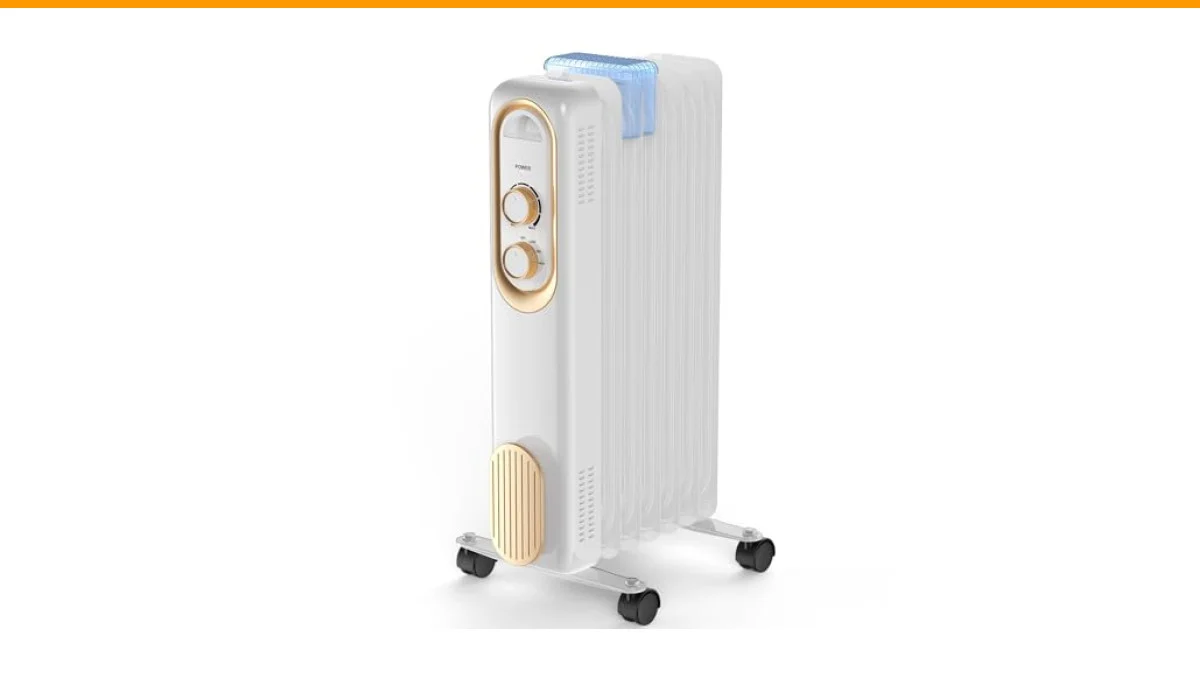
Dumos Oil Filled Radiator Heater with Adjustable Thermostat, Noiseless | 1500W Oil Space Heater for Indoor Use, Portable, Bedroom, Living Room, 22inch White
- 1500W Oil Filled Radiator Heater: Dumos 1500W Oil Filled Radiator Heater provides fast and efficient heating, quickly warming up s…
- Energy Efficient with 3 Heat Settings: This Dumos oil heater offers 600W, 900W, and 1500W modes with a adjustable thermostat (from…
- Safe & Reliable Operation: Equipped with a power indicator light, overheat protection, and a tip-over safety switch, this radiator…
If you’re considering an oil-filled heater, the Dumos Oil Filled Radiator Heater is a noteworthy option. With a 1500W capacity and three heat settings, this heater is designed for comfort and efficiency, making it suitable for various indoor spaces.
How Oil-Filled Heaters Work
Oil-filled heaters operate on a simple principle. They contain thermal oil that is heated by an electric element. The oil retains heat and radiates it slowly, providing a steady warmth. Unlike traditional electric heaters, which can quickly heat and cool down, oil-filled heaters maintain warmth for a longer period, even after being turned off.
A typical oil-filled heater can take about 10-15 minutes to warm up fully. However, once it reaches the desired temperature, it can keep a room warm for hours. This is due to the heat retention properties of the oil, which allows for more consistent heating.
How Convection Heaters Work
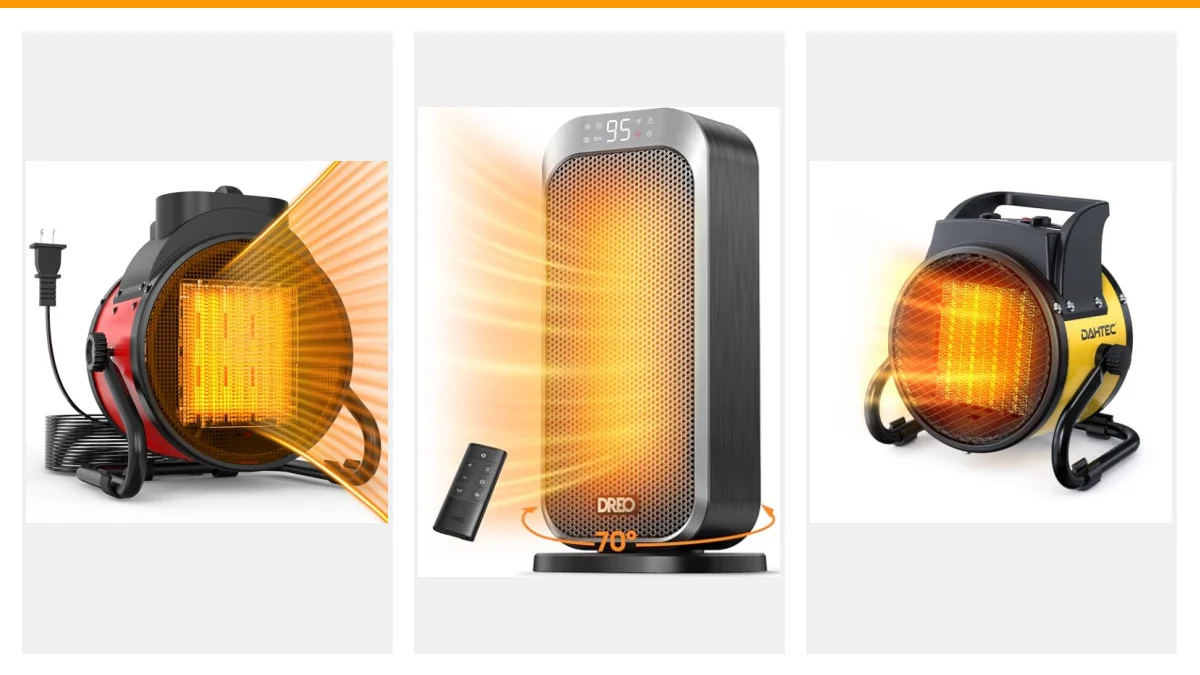
Convection heaters work by heating air directly. They draw in cooler air, warm it rapidly, and then release it back into the room. This process creates a circulation of warm air, effectively raising the overall temperature of the space. Convection heaters can operate quickly, providing immediate warmth. Most models are lightweight and portable, making them easy to move from room to room as needed.
Unlike oil-filled heaters, convection heaters cool down just as quickly as they heat up. This means that if you turn them off, the room will start to feel cold again relatively fast. While they provide quick heat, they often don’t retain warmth as effectively as their oil-filled counterparts.
Head-to-Head Comparison: Key Differences
| Feature | Oil-Filled Heaters | Convection Heaters |
|---|---|---|
| Heating Mechanism | Uses heated oil to radiate warmth | Heats air directly for convection |
| Heat Retention | Holds heat for longer periods | Heats quickly but cools down fast |
| Noise Level | Ultra-quiet operation | May produce a slight hum |
| Energy Efficiency | Generally more efficient over time | Less efficient due to quick heat loss |
| Safety Features | Often includes tip-over and overheat protection | May lack advanced safety features |
| Ideal Use Cases | Long-term heating in larger spaces | Quick heating in small, temporary spaces |
Pros and Cons of Oil-Filled Heaters
Oil-filled heaters come with several advantages:
- Energy Efficient: They retain heat for hours, reducing energy consumption over time.
- Quiet Operation: Their fanless design makes them ideal for bedrooms or workspaces.
- Consistent Heat: They provide a steady warmth that doesn’t fluctuate.
However, there are some drawbacks:
- Weight: Oil-filled heaters tend to be heavier, making them less portable.
- Warm-Up Time: They take longer to heat up compared to convection heaters.
Pros and Cons of Convection Heaters
Convection heaters also have their benefits:
- Quick Heating: They can warm up a room rapidly.
- Lightweight and Portable: Easy to move around as needed.
- Immediate Warmth: Ideal for temporary heating situations.
On the flip side, convection heaters have limitations:
- Heat Loss: They cool down quickly after being turned off.
- Noisy Operation: Some models can be noisy due to their fans.
Best Use Cases for Each Heater Type
Choosing between an oil-filled and a convection heater often depends on your specific needs:
- Oil-Filled Heaters: Best for larger rooms or spaces where you want consistent heat over a longer period. They’re suitable for bedrooms, living rooms, or home offices.
- Convection Heaters: Ideal for smaller spaces or situations where quick heat is required, such as a bathroom or a temporary office setup.
Safety Considerations for Portable Heaters
Safety should always be a priority when using any portable heater. Oil-filled heaters generally come equipped with safety features like tip-over protection and overheat shut-off. These features automatically turn the heater off if it’s knocked over or if it gets too hot, making it a safer choice for homes with children or pets.
Convection heaters may lack some of these advanced safety features. Always check for safety certifications and follow manufacturer guidelines for safe operation. Never leave any heater unattended while in use, and keep flammable materials away from the heater.
Maintenance Requirements for Longevity
Both heater types require minimal maintenance. Oil-filled heaters typically do not need much attention since they are sealed systems. However, it’s wise to check for any leaks or damage occasionally. Dusting the exterior can also help maintain performance.
Convection heaters require similar upkeep. Regularly dusting the heater and checking for any blockages in the vents will help maintain their efficiency. If your convection heater has a fan, ensure it runs smoothly to avoid overheating.
Long-Term Cost Analysis: Which is More Cost-Effective?
In terms of long-term costs, oil-filled heaters usually prove more cost-effective. Their ability to retain heat means they require less energy to maintain a comfortable temperature over time. A typical oil-filled heater can last around 10-15 years with proper care, making it a solid investment.
Convection heaters, while cheaper upfront, may lead to higher energy bills due to their quick heating and cooling cycles. Their lifespan often ranges from 5-10 years, depending on usage and build quality.
Environmental Impact: Sustainability Considerations
The environmental impact of heaters can vary based on their manufacturing and disposal. Oil-filled heaters generally use oil, which may have environmental implications during production and disposal. However, their energy efficiency can offset some of these effects over time.
Convection heaters often have a smaller carbon footprint during manufacturing but can contribute to higher energy consumption over their lifetime. Opting for energy-efficient models and considering their energy source can help mitigate environmental concerns.
User Testimonials and Case Studies
Real-world performance is often the best way to gauge a product. Users of oil-filled heaters frequently praise them for their ability to maintain warmth without constant adjustments. One user noted how their Dumos Oil Filled Radiator Heater kept their bedroom at a comfortable temperature throughout the night, even in sub-zero conditions.
Conversely, convection heater users appreciate their immediate warmth. A customer reported how quickly their convection heater warmed up a small bathroom, making it comfortable during cold mornings. However, some users mentioned the need to keep the heater running to maintain warmth, which could lead to higher energy costs.
Closing Thoughts: Making the Right Choice
- Oil-filled heaters provide long-lasting, consistent warmth and are often more energy-efficient.
- Convection heaters are quick to heat spaces but cool down quickly once turned off.
- Consider your space and heating needs when choosing between the two heater types.
- Safety features are crucial, especially in households with children or pets.
- Regular maintenance helps extend the lifespan of both heaters.
- Think about your long-term energy costs and environmental impact when making a decision.
- Check user reviews and testimonials for real-world insights into performance.