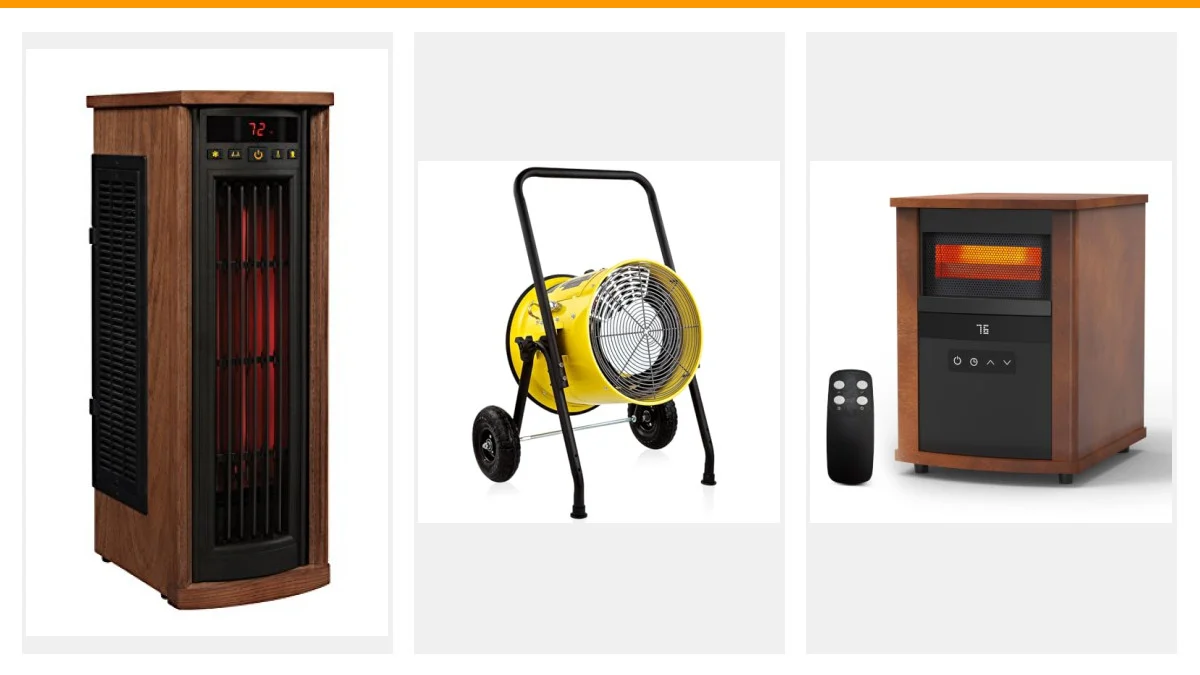
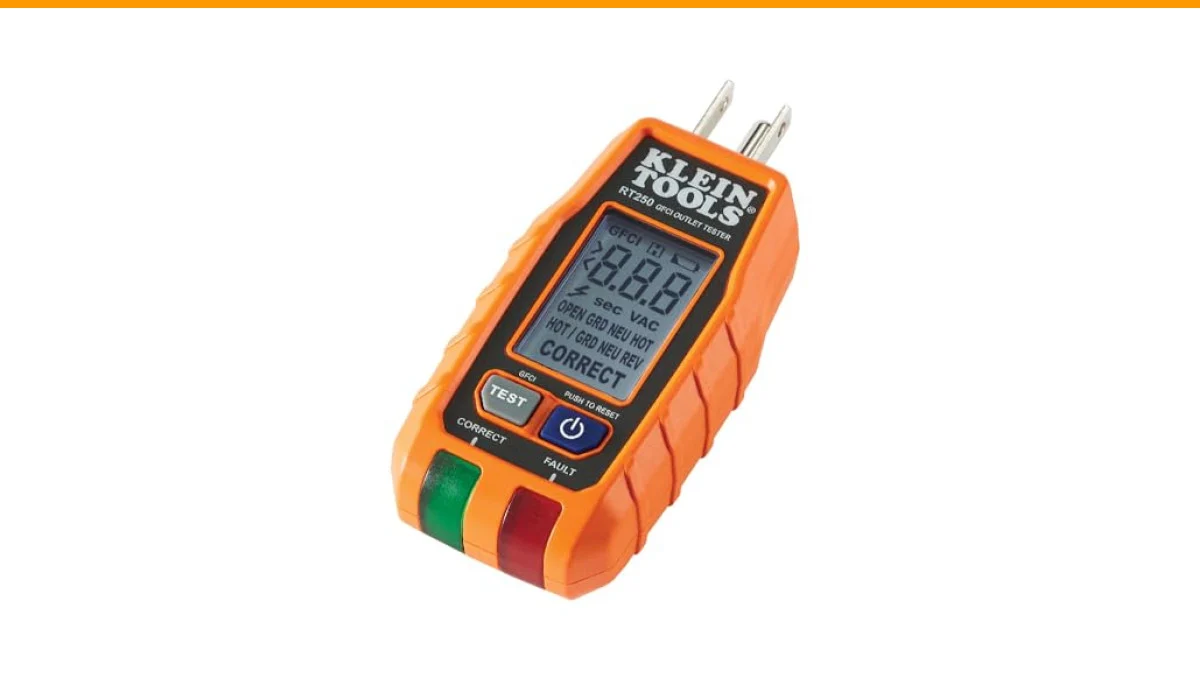
As the chilly months roll in, many of us turn to electric heaters for warmth and comfort. Imagine settling in for a cozy evening, wrapped in your favorite blanket, while your electric heater quietly warms the room. However, a question often arises: do electric heaters use oxygen? Understanding the mechanics of electric heaters can help you feel more at ease in your home environment, especially concerning air quality and safety.
This article will clarify how electric heaters function, their impact on indoor air quality, and safety considerations when using them. You’ll also discover practical insights on selecting the right heater for your space and how modern products, like the DREO Space Heater, can enhance your heating experience.

DREO
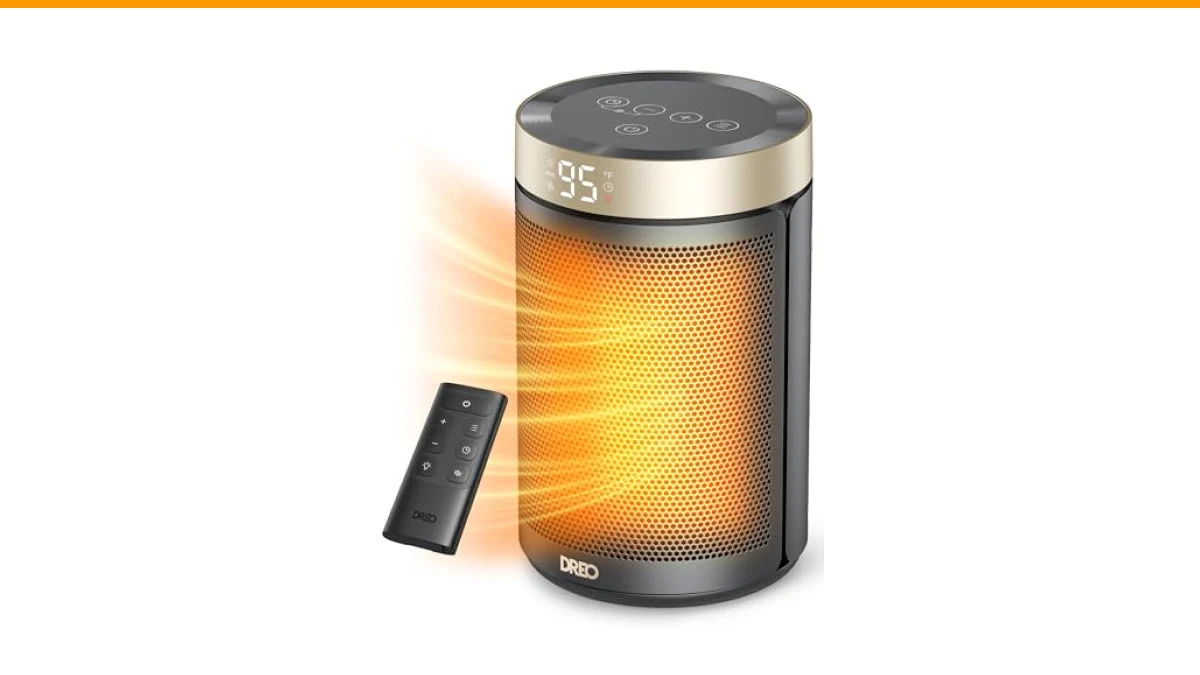
DREO Space Heater, Portable Electric Heaters for Indoor Use with Thermostat | 2026 Upgraded, 34dB Quiet, 12H Timer, 5 Mode, Remote, 1500W PTC Ceramic Fast Safety Heat for Office Bedroom Home, Gold
- Powerful heat that fits everywhere: DREO space heaters for indoor combines Hyperamics 1500W advanced PTC system with a new heat fu…
- Unbreakable safety:DREO goes beyond the unexpected to deliver peace of mind with every room heater. The innovative tilt-detection…
- Ultimate temperature control: The enhanced NTC chipset brings more precision to turn your space heater with thermostat into a smar…
The DREO Space Heater stands out for its powerful heating capabilities, combining a 1500W PTC system with a unique design for optimal heat distribution. Its quiet operation and safety features, such as overheat protection and flame retardant materials, provide peace of mind. With adjustable temperature settings and a remote control, it’s a practical choice for anyone looking to warm their home efficiently.
 Electric Heaters VS Oil Filled Heaters (What's ACTUALLY Better?)Watch on YouTube
How Electric Heaters Work
Electric heaters convert electrical energy into heat. They use various methods, including convection and radiation, to warm the air in a room. Electric resistance heating is the most common mechanism, where an electric current passes through a resistor, creating heat. This process does not involve the combustion of any fuels, which means it does not consume oxygen or produce harmful gases.
In contrast to gas heaters, which require oxygen for combustion, electric heaters rely solely on electricity. Therefore, they do not deplete the oxygen levels in a room, making them a safer choice for indoor use. Since they don’t burn fuel, electric heaters also produce no emissions, significantly improving indoor air quality.
Impact on Indoor Air Quality
While electric heaters do not directly use oxygen, they can affect indoor air quality in other ways. They can dry out the air, especially in poorly ventilated spaces. This dryness might lead to discomfort, such as dry skin or irritated respiratory passages. It’s essential to monitor humidity levels when using an electric heater, especially for extended periods.
Using a humidifier alongside your electric heater can help maintain a comfortable humidity level. Ideally, indoor humidity should be between 30% and 50%. Keeping the air moist can enhance comfort and prevent issues associated with dry air.
Safety Considerations
Safety is paramount when using any heating device. Electric heaters come with built-in safety features, but it’s crucial to follow some basic guidelines:
- Always place the heater on a stable, flat surface.
- Keep flammable materials, such as furniture and curtains, at least three feet away.
- Never leave the heater unattended when in use.
- Use heaters with safety certifications, such as ETL or UL.
Modern electric heaters, like the DREO Space Heater, include advanced safety features like tilt detection and overheat protection, further enhancing your safety while using the device.
Comparing Electric Heater Options
| Feature | DREO Space Heater | Traditional Electric Heater |
|---|---|---|
| Power Output | 1500W PTC | Varies (typically 1500W) |
| Noise Level | 34dB | Variable |
| Safety Features | Flame retardant, tilt detection, overheat protection | Basic safety features |
| Control Options | Remote control, programmable thermostat | Manual controls |
Do electric heaters use oxygen?
No, electric heaters do not use oxygen. They operate by converting electrical energy into heat without combustion, which eliminates the need for oxygen.
Can electric heaters dry out the air?
Yes, electric heaters can reduce humidity levels in a room, leading to dry air. Using a humidifier can help counteract this effect.
Are electric heaters safe for indoor use?
Yes, electric heaters are safe for indoor use, provided you follow safety guidelines and use models with safety certifications.
How can I improve air quality when using an electric heater?
Maintain optimal humidity levels with a humidifier, ensure proper ventilation, and regularly clean your heater to prevent dust buildup.
What should I look for when choosing an electric heater?
Consider the heater’s power output, safety features, noise level, and whether it has programmable settings or remote control options. The DREO Space Heater is a solid choice for its advanced features and safety standards.
Final Thoughts
- Electric heaters do not use oxygen, making them safe for indoor environments.
- They can dry out indoor air; consider using a humidifier.
- Always prioritize safety features when selecting a heater.
- Modern models like the DREO Space Heater offer advanced controls and safety mechanisms.
- Monitor humidity levels to ensure comfort and air quality.