 Convection vs Radiant HeatersWatch on YouTube
Introduction to Heating Systems
Heating your home in winter can feel like a challenge, especially when trying to find the right balance between comfort and energy efficiency. With a variety of heating systems available, two popular options are radiant heaters and convection heaters. Each type offers distinct advantages and disadvantages, making it crucial to understand their differences before making a decision.
This article provides a comprehensive analysis of both radiant and convection heaters. You’ll learn how each system works, their efficiency, costs, and best use cases. By the end, you’ll be better equipped to choose the right heating solution for your home.

DREO
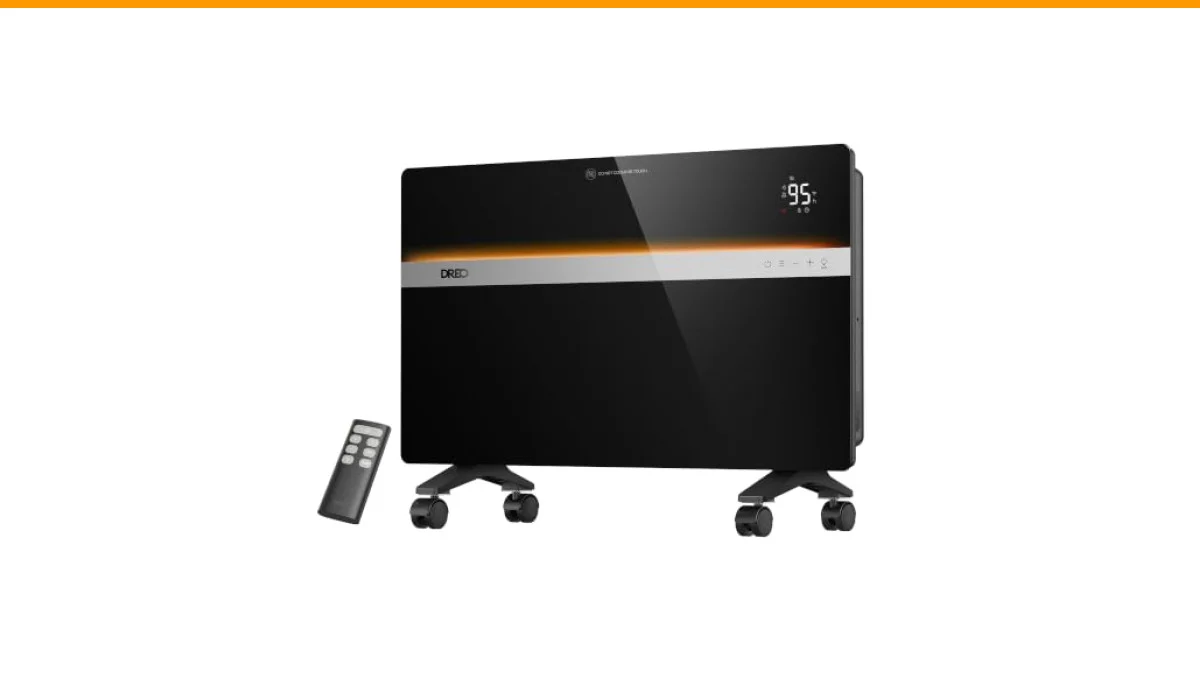
DREO Convection Panel Space Heater for Large Room 1500W, IP24 Protection | Quiet Wind-Free, Energy Efficient, Remote Control, 24H Timer, Precise Thermostat, Ambient Lighting, Ideal for Bathroom
- Wind-Free Convection Heat: Natural convection gently circulates warm air throughout your space for balanced, comfortable heat with…
- Easy Control, Your Way: Adjust your comfort with ease using the LED touch panel or backlit remote. Choose from multiple heat setti…
- Smart ECO Efficiency: The ECO mode automatically adjusts power output to maintain your preferred room temperature and reduce waste…
For those considering a convection option, the DREO Convection Panel Space Heater is a noteworthy choice. It combines a powerful 1500W heating element with energy-efficient features, making it suitable for larger rooms while maintaining a quiet operation.
How Convection Heating Works
Convection heating relies on the natural movement of air. It warms the air in a room, which then circulates to distribute heat. When air is heated, it rises, creating a flow as cooler air moves in to take its place. This process continues, leading to a steady temperature increase throughout the space.
Advantages of Convection Heating
- Quick Heat Distribution: Convection heaters warm a room quickly due to the circulation of air, making them ideal for spaces that require immediate comfort.
- Energy Efficient: Many modern convection heaters come with energy-saving modes, like the DREO model, which adjusts power output based on the room temperature, helping to reduce electricity consumption.
- Quiet Operation: Convection heaters operate silently, providing warmth without the disruptive noise often associated with other heating methods.
Limitations of Convection Heating
- Dry Air: This type of heating can dry out the air in a room, which may lead to discomfort, especially for individuals with respiratory issues.
- Uneven Heating: While convection heaters can warm a space quickly, they may not heat every area evenly, leading to cooler spots in larger rooms.
How Radiant Heating Works
Radiant heating warms objects and surfaces directly rather than the air. It typically uses infrared radiation to transfer heat. This method can be implemented through systems like heated floors, wall panels, or radiant ceiling systems. The heat emitted warms everything in its path, creating a comfortable environment.
Advantages of Radiant Heating
- Comfortable Heat: Radiant heating provides a cozy warmth that feels more natural and comfortable compared to heated air.
- Reduced Dust Circulation: Since radiant systems don’t rely on air movement, they minimize the circulation of dust and allergens.
- Energy Efficiency: Radiant systems often require lower temperatures to maintain comfort levels, which can lead to lower energy bills.
Limitations of Radiant Heating
- Installation Costs: Radiant heating systems can be more expensive to install, especially in retrofitting scenarios.
- Slow to Adjust: Changes in temperature take longer because the system warms objects rather than air. This delay can be a drawback in spaces needing rapid temperature adjustments.
Energy Efficiency Comparison
Both radiant and convection heating systems can be energy efficient, but their effectiveness often depends on the specific application and environment. Radiant heating tends to use less energy to maintain comfortable temperatures since it directly warms the surfaces people use. In contrast, convection heating can lead to higher energy use if the system runs continuously to counteract heat loss.
In terms of operational costs, radiant systems typically result in lower long-term expenses due to their efficient heat retention. This is particularly true in well-insulated homes where heat loss is minimal.
Cost Analysis: Running Costs & Installation
When evaluating the costs of radiant vs convection heating, installation prices can vary significantly. Radiant heating systems may require extensive installation work, particularly if they include in-floor heating. Costs can range from $6 to $20 per square foot depending on the complexity and materials used.
Convection heaters generally have lower upfront costs. They can be plugged in and used immediately without professional installation. Typical costs can range from $50 to $300, depending on the model and features.
Running costs for both systems depend on energy prices, usage patterns, and efficiency ratings. Radiant heating systems often lead to lower energy bills over time, particularly if they’re used in well-insulated areas.
Safety Considerations for Both Systems
Safety is paramount when selecting a heating system. Convection heaters often come with built-in safety features like tip-over protection and automatic shut-off to prevent overheating. The DREO convection heater, for instance, includes a patented FortPlug technology that cuts power if overheating is detected.
Radiant heating systems, especially those installed under floors, generally pose fewer risks of burns or fire hazards since they operate at lower temperatures and don’t have exposed heating elements. However, it’s crucial to ensure proper installation to prevent any potential electrical issues.
Best Use Cases for Radiant vs. Convection Heating
Choosing between radiant and convection heating often comes down to the specific needs of your space:
- Best Use Cases for Convection Heating: Ideal for bedrooms, living rooms, and spaces where quick heat is needed. They are excellent for areas with high ceilings where warm air tends to rise.
- Best Use Cases for Radiant Heating: Perfect for bathrooms, basements, and areas where you want consistent warmth without drafts. They excel in spaces designed for comfort, like home theaters or bedrooms.
Maintenance and Longevity of Heating Systems
Maintenance requirements differ between radiant and convection heating systems. Convection heaters may require regular cleaning to prevent dust buildup, which can affect efficiency. They typically have a longer lifespan of around 10-15 years with proper care.
Radiant heating systems generally require less maintenance, especially if they are hydronic systems using water. However, electric radiant systems can last over 20 years if installed correctly and kept free from damage.
Innovations in Heating Technology
The heating industry continually evolves, integrating technology to improve efficiency and comfort. Hybrid systems combining convection and radiant heating are gaining traction. These systems allow users to benefit from the quick heating of convection while enjoying the comfort of radiant heat. Smart thermostats and remote controls also enhance user experience, as seen in modern models like the DREO convection heater.
Final Thoughts on Choosing the Right Heating System
- Understand the heating needs of your space before deciding.
- Evaluate the initial installation costs versus long-term energy savings.
- Consider the safety features of each system.
- Think about maintenance requirements and longevity.
- Explore innovative heating technologies that might fit your needs.
- For quick heat, convection systems are generally better.
- For consistent warmth, radiant heating may be the preferred choice.