Introduction
Imagine coming home after a long day, stepping inside, and feeling a perfect warmth or coolness envelop you. The temperature is just right, and it feels comfortable without having to adjust a thing. This scenario is increasingly achievable thanks to smart thermostats. Many people wonder, do thermostats save electricity? The answer is a resounding yes, but the extent of the savings can vary significantly based on the type of thermostat used and how it’s programmed.
In this article, you’ll discover the ways thermostats can contribute to energy efficiency. You’ll learn about various types of thermostats, their features, and how they can help lower your electricity bills. Additionally, we’ll discuss a popular option, the Amazon Smart Thermostat, which integrates seamlessly with Alexa and offers multiple energy-saving features.

Amazon
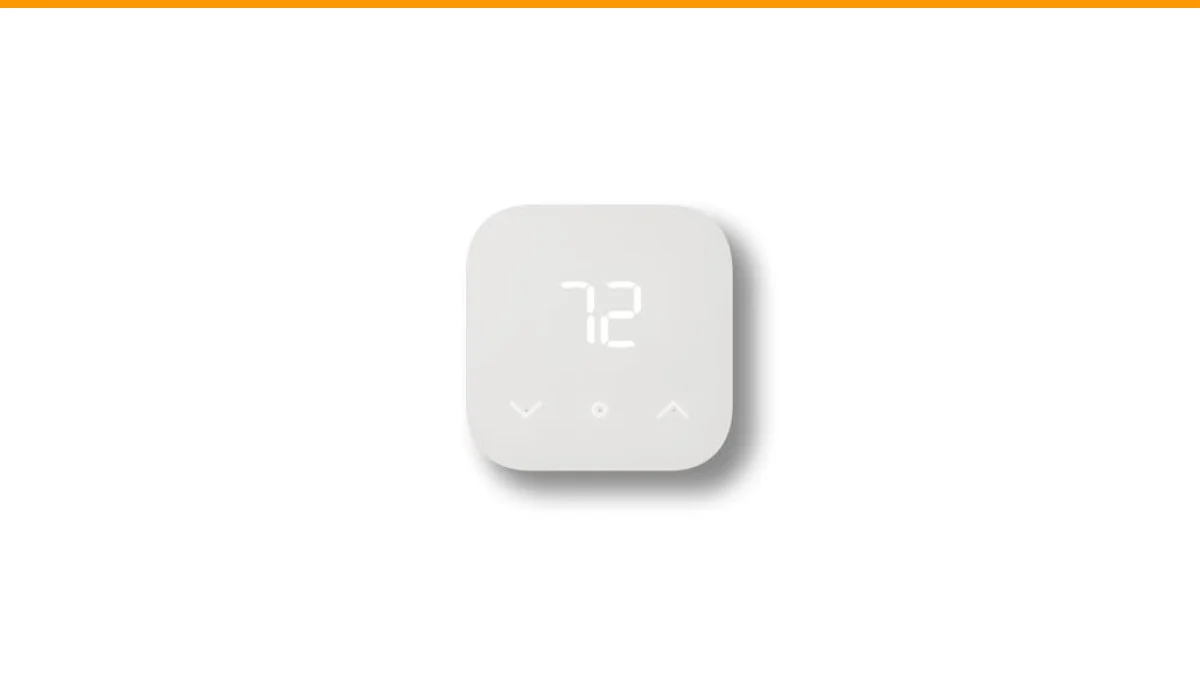
Amazon Smart Thermostat – Save money and energy - Works with Alexa and Ring - C-wire required
- Smart upgrade - Amazon Smart Thermostat is an easy way to switch from a traditional thermostat and help reduce energy usage.
- Create comfort zones throughout your home by using select Echo devices or Amazon Smart Air Quality Monitor to automatically adjust…
- Save money - After purchase, Amazon will send you an email with details about rebates that may be available from energy providers…
How Thermostats Contribute to Energy Savings
Traditional thermostats often operate on a simple schedule, turning on or off based on set times. They don’t account for fluctuations in temperature or occupancy. In contrast, smart thermostats adjust heating and cooling based on real-time data. They can learn your habits and preferences over time, optimizing energy use accordingly.
According to the EPA, ENERGY STAR certified thermostats can save an average of $90 annually on energy bills. This saving stems from features such as:
- Remote temperature control through smartphone apps.
- Learning algorithms that adjust settings based on your daily activities.
- Geofencing technology that detects when you’re home or away.
These technologies not only make your home more comfortable but also ensure that energy isn’t wasted when it’s not needed.
Common Misconceptions About Thermostats
Myth: More Features Always Mean More Savings
Some people assume that having a thermostat packed with features will automatically lead to greater savings. While advanced functionalities can enhance efficiency, they must be used correctly. For example, if you set a complicated schedule but rarely stick to it, the potential savings diminish. It’s essential to choose a thermostat that fits your lifestyle and to utilize its features effectively.
Myth: All Thermostats Are Created Equal
Not all thermostats save electricity equally. Traditional manual thermostats don’t adjust for daily fluctuations in temperature or occupancy. Smart thermostats, like the Amazon Smart Thermostat, can adapt based on your habits and external conditions. They provide insights into energy usage, helping you make informed decisions that lead to real savings.
Comparing Thermostat Types
| Type | Features | Potential Savings |
|---|---|---|
| Manual Thermostat | Basic temperature control | Minimal, relies on user adjustments |
| Programmable Thermostat | Scheduled settings for heating/cooling | Average $20-$50/year |
| Smart Thermostat | Learning algorithms, remote access, geofencing | $90 or more/year |
Frequently Asked Questions
Do smart thermostats really save money?
Yes, smart thermostats can save up to $90 or more annually on energy bills by optimizing heating and cooling schedules based on your usage patterns.
How much can I save by switching to a smart thermostat?
The average savings can be around $90 per year, but this depends on your previous thermostat type and how you use your new smart thermostat.
Are there any drawbacks to smart thermostats?
Some users may find the initial setup complex. Additionally, they require a stable Wi-Fi connection and may need a C-wire for some models.
What is a C-wire and do I need one?
A C-wire, or common wire, provides constant power to the thermostat. Many smart thermostats require this for optimal operation. If your home lacks a C-wire, you might need an adapter or a compatible thermostat.
Can I use a smart thermostat with my existing system?
Most smart thermostats are compatible with various heating and cooling systems. However, it’s wise to check compatibility before making a purchase.
Practical Takeaways
- Consider a smart thermostat for substantial energy savings.
- Utilize features like geofencing and learning algorithms for optimal efficiency.
- Understand your home’s heating and cooling system to ensure compatibility.
- Check for rebates from energy providers when purchasing a new thermostat.
- Regularly monitor and adjust your thermostat settings based on your lifestyle.
- Invest time in learning your thermostat’s features for maximum benefit.
- Stay informed about energy-saving practices to complement your thermostat’s function.



