
Finding Warmth Without Electricity
Imagine a cold winter night when the power suddenly goes out. The warmth from your electric heater quickly fades, leaving you shivering in the dark. This scenario is more common than many realize, especially in areas prone to winter storms or power outages. However, heating without electricity is not only possible, it can also be effective and safe with the right approach.
In this article, you’ll learn several methods to heat your space without relying on electric power. We’ll explore various heating options, their efficiency, and safety considerations. Plus, we’ll touch on a product that stands out in this category: the Mr. Heater 9,000 BTU Portable Buddy Radiant Propane Heater. This compact device offers a reliable way to maintain warmth indoors and outdoors, making it an excellent choice for emergencies.
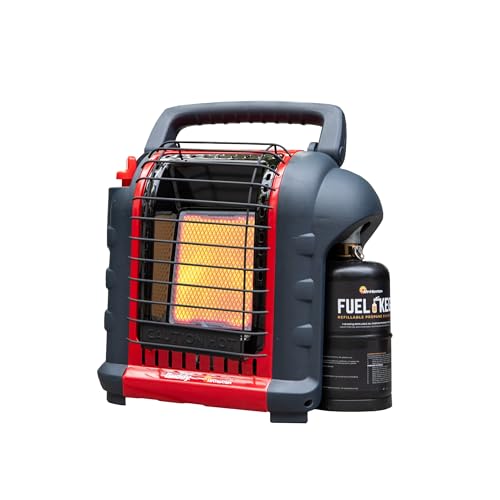
Mr. Heater
Mr. Heater 9,000 BTU Portable Buddy Radiant Propane Heater
- Emits 4,000 or 9,000 BTU/hr radiant heat
- Designed and approved for indoor and outdoor use
- Heats up to approximately 225 square feet
The Mr. Heater Portable Buddy is designed to emit 4,000 or 9,000 BTU/hr of radiant heat, covering areas up to 225 square feet. It features an emergency low oxygen safety system, ensuring secure operation even in confined spaces.
Common Misconceptions About Non-Electric Heating
Myth: Electric Heat is Always More Efficient
Many believe that electric heating systems are the most efficient option available. In reality, various non-electric methods can be just as effective, especially in specific settings. For instance, propane heaters, like the Mr. Heater Portable Buddy, can produce significant heat while consuming less energy than electric heaters. It’s important to evaluate your situation and choose the most effective heating option for your needs.
Myth: All Non-Electric Heaters are Unsafe
Safety concerns often arise regarding non-electric heating methods. While it’s true that some options can be hazardous, many modern designs, such as the Portable Buddy, come equipped with safety features like low oxygen shutoffs. When used according to the manufacturer’s guidelines, these heaters can provide safe and effective warmth.
Methods for Heating Without Electricity
1. Propane Heaters
Propane heaters are a popular choice for heating without electricity. They are portable, efficient, and can be used indoors and outdoors, making them versatile for different situations. The Mr. Heater Portable Buddy, for example, is ideal for heating spaces up to 225 square feet and includes safety features. When considering a propane heater, ensure proper ventilation to prevent carbon monoxide buildup.
2. Wood Stoves
Wood stoves offer a charming and effective way to heat your home. They provide radiant heat and can often heat a large area efficiently. A traditional wood stove can maintain warmth for hours, especially if seasoned wood is used. However, installation can be costly, and regular maintenance is necessary to keep it functioning safely.
3. Kerosene Heaters
Kerosene heaters are another alternative for heating without electricity. They are generally portable and can heat a space quickly. However, they require careful handling and proper ventilation because they emit fumes. Be aware of the risks, and always follow safety guidelines when using kerosene heaters.
4. Solar Heating
Solar heating is an eco-friendly option, leveraging the sun’s energy to warm a space. Passive solar heating can be achieved through proper window placement and insulation. Active solar systems use solar panels to heat water or air, which can then be circulated in your home. While it may require an upfront investment, solar energy can lead to long-term savings.
Comparison of Non-Electric Heating Options
| Heating Method | Heat Output (BTU/hr) | Indoor/Outdoor Use | Ventilation Required | Cost |
|---|---|---|---|---|
| Propane Heater | 4,000 – 9,000 | Both | Yes | Moderate |
| Wood Stove | Varies | Indoor | Yes | High |
| Kerosene Heater | Varies | Both | Yes | Moderate |
| Solar Heating | Varies | Both | No | High Initial |
Frequently Asked Questions
How can I ensure safety when using non-electric heaters?
Safety is paramount. Always follow the manufacturer’s instructions, ensure proper ventilation, and use carbon monoxide detectors when using combustion-based heaters.
Can I use propane heaters indoors?
Yes, many propane heaters, like the Mr. Heater Portable Buddy, are designed for indoor use. However, always ensure adequate ventilation to prevent hazardous gas buildup.
How do wood stoves compare to propane heaters in terms of efficiency?
Wood stoves can be very efficient, depending on the wood used and the stove’s design. They can heat larger areas for extended periods but require more maintenance than propane heaters.
What are the advantages of solar heating?
Solar heating is renewable and can significantly reduce electricity costs over time. It’s the most eco-friendly option, but it may require an initial investment and proper installation.
Are kerosene heaters effective for emergency heating?
Kerosene heaters can be effective for emergency heating. They provide quick warmth but require careful handling and adequate ventilation to ensure safety.
Final Thoughts on Heating Without Electricity
- Evaluate your heating needs before selecting a method.
- Consider portable options for flexibility, like propane heaters.
- Ensure safety features are in place for combustion-based heaters.
- Explore renewable options like solar heating for long-term benefits.
- Regular maintenance is essential for wood stoves and kerosene heaters.
- Always have a backup plan for heating, especially in winter.
- Research products thoroughly, like the Mr. Heater Portable Buddy, for reliable solutions.



