Picture this: it’s 2 AM and you hear water dripping. You run to the basement and find a puddle spreading from your water heater. The floor is soaked. Drywall is swelling. If you’d had a drain pan under that tank, the mess would be miles smaller. Most people only think about drain pans after a leak.
After reading this, you’ll know exactly when a drain pan is required by code, when it’s just smart, and what to look for if you’re buying one. No fluff, no guesswork.

Elite Tool Center
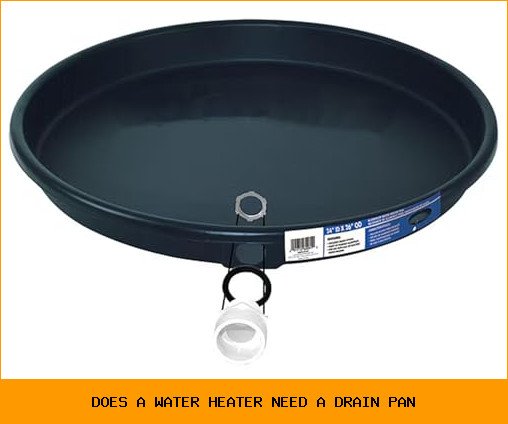
24" Inner Diameter 26" Outer Diameter Black Plastic Water Heater Drain Pan with Fittings 2.5" Deep for Use On Electric or Gas Water Heaters
- Dimensions: 24" inner diameter x 26" outer diameter x 2.5" deep
- Material: Sturdy black plastic
- Design: Includes fittings for drainage
If you’re shopping for a pan, a solid option is the Elite Tool Center 24-inch drain pan. It’s black plastic, 2.5 inches deep, with drainage fittings included. It fits both electric and gas water heaters. That’s the kind of straightforward product that saves you a second trip to the hardware store.
So when is a drain pan actually required?
Building codes in most of the US (the Uniform Plumbing Code and the International Plumbing Code) say you need a drain pan under a water heater if it’s located in a place where a leak could damage the building. That means inside the house, not in an unfinished basement with a concrete floor that has a floor drain. Here are the specific scenarios:
- The water heater sits above a finished ceiling (like in a closet on the second floor).
- It’s in an attic or a crawl space.
- It’s inside a living area, garage, or utility room with a wooden or tiled floor.
- The unit is installed on any floor that has drywall ceilings below it.
The pan must be made of corrosion-resistant material (plastic or galvanized steel). It has to be at least 1.5 inches deep and extend at least 2 inches beyond the diameter of the water heater on all sides. That’s why a 24-inch inner diameter pan works for a typical 50-gallon tank that’s about 22 inches wide. The pan also needs a drain line — usually 3/4-inch PVC or copper — routed to an approved location (floor drain, outside, or a drywell).
If your water heater is in a garage on a concrete slab with a floor drain underneath it, most codes don’t require a pan. But you still might want one. Concrete is porous, and a slow leak can stain or erode the slab over time.
What happens if you skip the pan?
Let me give you a real number. A 50-gallon water heater holds about 417 pounds of water. If the tank ruptures or a supply line breaks, that water dumps onto your floor. Carpet, laminate, hardwood — none of it survives. One contractor told me he sees average water damage claims of $5,000 to $8,000 from failed water heaters. And that’s before you factor in mold remediation.
Insurance companies sometimes deny claims if the damage could have been prevented by following code. If you install a water heater in an attic without a drain pan and it leaks through the ceiling, the adjuster might ask for proof of compliance. No pan? They may say you assumed the risk.
A drain pan isn’t a guarantee against damage, but it buys you time. The lip holds most of the water while the drain line slowly carries it away. Even a shallow pan can keep a burst supply line from soaking an entire room. I’ve seen situations where a pan saved a finished basement from demolition.
Types of drain pans and what to look for
You’ll find two main materials: plastic and metal. Plastic pans (like the Elite Tool Center one) are lighter, cheaper, and immune to rust. They handle most residential situations fine. Metal pans (galvanized steel or stainless steel) are stronger and can support heavier tanks without flexing, but they cost more and can eventually corrode if the galvanizing chips.
Depth matters. A pan that’s too shallow might overflow from a high-pressure leak before the drain line can carry the water away. I’d go with 2 inches minimum. The Elite Tool Center pan is 2.5 inches — a solid depth.
Don’t forget the fittings. Some pans come with a threaded drain outlet and a brass or plastic fitting. The Elite Tool Center pan includes fittings, so you don’t have to buy a separate adapter. That saves a trip and potential mismatch issues.
| Feature | Plastic Pan | Metal Pan (Galvanized) |
|---|---|---|
| Weight | Light (2-3 lbs) | Heavy (8-10 lbs) |
| Corrosion resistance | Excellent (no rust) | Good (can rust if scratched) |
| Cost range | Low to medium | Medium to high |
| Typical lifespan | 15-20 years | 15-25 years (if coating intact) |
| Flexibility under load | May flex slightly on uneven floors | Rigid, no flex |
5 real questions people ask about drain pans
Do all water heaters require a drain pan?
No. Only those installed in locations where a leak could damage the structure or finished spaces. Unfinished basements with a floor drain or outdoor installations (protected from freezing) typically don’t need one. But check your local code — some municipalities require pans even in garages.
Can I install a drain pan under an existing water heater?
Yes, but it’s a pain. You have to shut off the water, disconnect the pipes, drain the tank, lift the water heater out, slide the pan underneath, and reconnect everything. If the water heater is heavy (50+ gallons), you’ll want a helper or a water heater lifting strap. Some people cut the pan in half and install it in two pieces, but that defeats the purpose — the pan needs to catch water, not channel it out the sides.
How deep should a water heater drain pan be?
Codes generally require at least 1.5 inches deep. For a residential unit, 2 to 2.5 inches is a good range. The Elite Tool Center pan at 2.5 inches gives you extra margin. Deeper pans hold more water, but they also raise the water heater slightly, which might require longer supply lines.
What size drain pan do I need for a 50-gallon water heater?
Most 50-gallon tanks have a diameter of about 22 inches. You need a pan with an inner diameter at least 2 inches larger — so 24 inches is correct. The outer diameter of the pan (26 inches) is wider to account for the rim. Always measure your water heater’s actual diameter; some tall models are narrower.
Does a gas water heater need a different drain pan than an electric one?
No. The pan requirement is the same for both. Gas water heaters have a burner at the bottom, but the pan sits below the combustion chamber and doesn’t interfere. Just make sure the pan is not obstructing airflow to the burner. Keep the drain line away from gas lines.
What to remember before you buy a drain pan
- Measure your water heater’s diameter first — add at least 2 inches for the pan inner diameter.
- Pick plastic for most homes; metal only if you need extra rigidity or plan to leave it in place for 20+ years.
- Make sure the pan includes a drain fitting or you buy one separately. Some pans come with a threaded outlet, some don’t.
- Route the drain line to a visible location where you’ll notice water dripping. A hidden drain line that empties into a floor drain won’t alert you until the carpet is soaked.
- Check your local building department’s rules before installing. Some areas require a licensed plumber to install the pan as part of the water heater setup.
- A properly installed drain pan with a working drain line is the cheapest insurance you’ll ever buy for your water heater.


