When winter hits, everyone wants to stay warm without breaking the bank on energy bills. You might wonder how much heat a heater can produce based on its wattage. Understanding this relationship can help you choose the right heater for your space and needs. In this article, you’ll learn how heater wattage translates to heat output, what factors influence heating efficiency, and how to maximize your comfort.
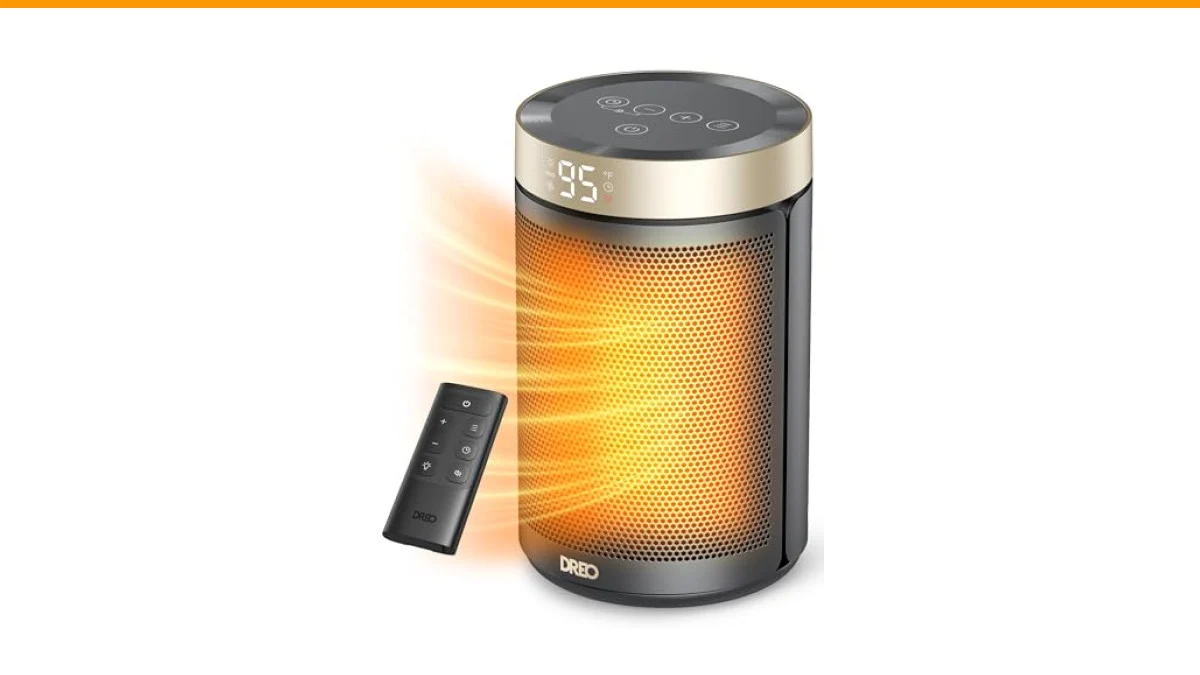
The DREO Space Heater is a great example of a product that effectively utilizes wattage to deliver warmth. This portable electric heater features a powerful 1500W PTC system, ensuring rapid heat within seconds. Its design promotes enhanced air circulation, making it a practical choice for indoor use.

DREO
DREO Space Heater, Portable Electric Heaters for Indoor Use with Thermostat | 2026 Upgraded, 34dB Quiet, 12H Timer, 5 Mode, Remote, 1500W PTC Ceramic Fast Safety Heat for Office Bedroom Home, Gold
- Powerful heat that fits everywhere: DREO space heaters for indoor combines Hyperamics 1500W advanced PTC system with a new heat fu…
- Unbreakable safety:DREO goes beyond the unexpected to deliver peace of mind with every room heater. The innovative tilt-detection…
- Ultimate temperature control: The enhanced NTC chipset brings more precision to turn your space heater with thermostat into a smar…
Does Heater Wattage Equal Heat Output?
Yes, heater wattage is closely related to heat output. Wattage measures the amount of energy a heater consumes, and this energy is converted into heat. For instance, a 1500-watt heater can produce approximately 5,118 BTUs (British Thermal Units) of heat per hour. This conversion is crucial for understanding how effectively a heater can warm a room.
However, wattage alone doesn’t paint the full picture. Factors such as the heater’s type, design, and the environment where it operates also play significant roles. For example, radiant heaters provide instant heat, while convection heaters take longer to warm up but circulate air more effectively.
Understanding BTUs and Heating Capacity
BTUs measure the heat output of a heater. The general rule of thumb is that you need about 20 BTUs per square foot to effectively heat a room. For example, if you want to heat a 300-square-foot room, you would need around 6,000 BTUs. To find the required wattage, you can use the formula:
BTUs ÷ 3.413 = Watts
Using our previous example, 6,000 BTUs divided by 3.413 equals approximately 1,758 watts. This means a heater with a wattage of around 1,800 watts would be ideal for that room size.
Factors Influencing Heat Output
While wattage and BTUs are essential, several factors influence how effectively a heater warms a space:
- Room Insulation: Poorly insulated rooms lose heat quickly, requiring more powerful heaters.
- Ceiling Height: Higher ceilings mean more space to heat, potentially requiring a heater with higher wattage.
- Airflow: Blockages from furniture or curtains can hinder the heater’s efficiency.
- Outdoor Temperature: Extreme cold outside can impact how well a heater performs.
These factors can skew your expectations of heater wattage versus actual performance. It’s essential to consider them when selecting a heater.
Comparing Heater Types and Their Wattage
| Heater Type | Typical Wattage | Heat Output (BTUs) | Heating Method |
|---|---|---|---|
| Convection Heaters | 750 – 1500W | 2,500 – 5,118 BTUs | Circulates warm air |
| Radiant Heaters | 500 – 1500W | 1,700 – 5,118 BTUs | Direct heat to objects/people |
| Oil-Filled Radiators | 700 – 1500W | 2,000 – 5,118 BTUs | Radiates heat from oil |
| Fan Heaters | 500 – 1500W | 1,700 – 5,118 BTUs | Blows warm air |
Choosing the right type of heater can greatly affect your comfort level, so consider these options and their wattages based on your specific needs.
What is the best wattage for a heater?
The best wattage depends on the size of the space you want to heat. Generally, you need about 20 BTUs per square foot. For a 300-square-foot room, a heater with around 1,800 watts would be suitable.
Can I use a heater with lower wattage than recommended?
Using a heater with lower wattage than recommended may result in insufficient heating. It’s better to select a heater that meets or exceeds the calculated wattage needed for your space.
Are higher wattage heaters more energy-efficient?
Not necessarily. Higher wattage means more heat output, but efficiency depends on the heater’s design and how well it retains heat. Some lower wattage heaters can be more efficient in smaller spaces.
How do I know if my heater is powerful enough?
Determine the BTUs needed for your space and compare that to your heater’s output. If your heater’s BTUs are below the requirement, it may struggle to maintain a comfortable temperature.
What features should I look for in a heater?
Look for features like adjustable thermostats, safety mechanisms, and energy-saving modes. The DREO Space Heater, for instance, offers precise temperature control and safety features, making it a reliable option for indoor heating.
Final Thoughts on Heater Wattage and Heat
- Understand the relationship between wattage and heat output.
- Calculate BTUs needed based on room size.
- Consider additional factors like insulation and airflow.
- Compare types of heaters for the best efficiency.
- Remember that wattage isn’t the only measure of a heater’s performance.
- The right heater can greatly improve comfort during colder months.
- Check the current price of the DREO Space Heater for a reliable heating solution.



