 The Ultimate Guide to Choosing the Best Baseboard HeatersWatch on YouTube
Introduction to Baseboard Heating
As the temperatures drop and the chill sets in, many homeowners face the challenge of keeping their living spaces warm and comfortable. Choosing the right heating system is crucial, not just for comfort but also for cost-effectiveness and energy efficiency. Baseboard heating is a popular option, but it typically comes in two varieties: electric and hydronic. Understanding the differences between these two systems will help you make an informed decision about what best suits your home heating needs.
This article will provide a thorough comparison of electric baseboard heaters and hydronic baseboard heaters. By the end, you’ll have a clear understanding of their respective benefits and drawbacks, enabling you to choose the most suitable option for your home.

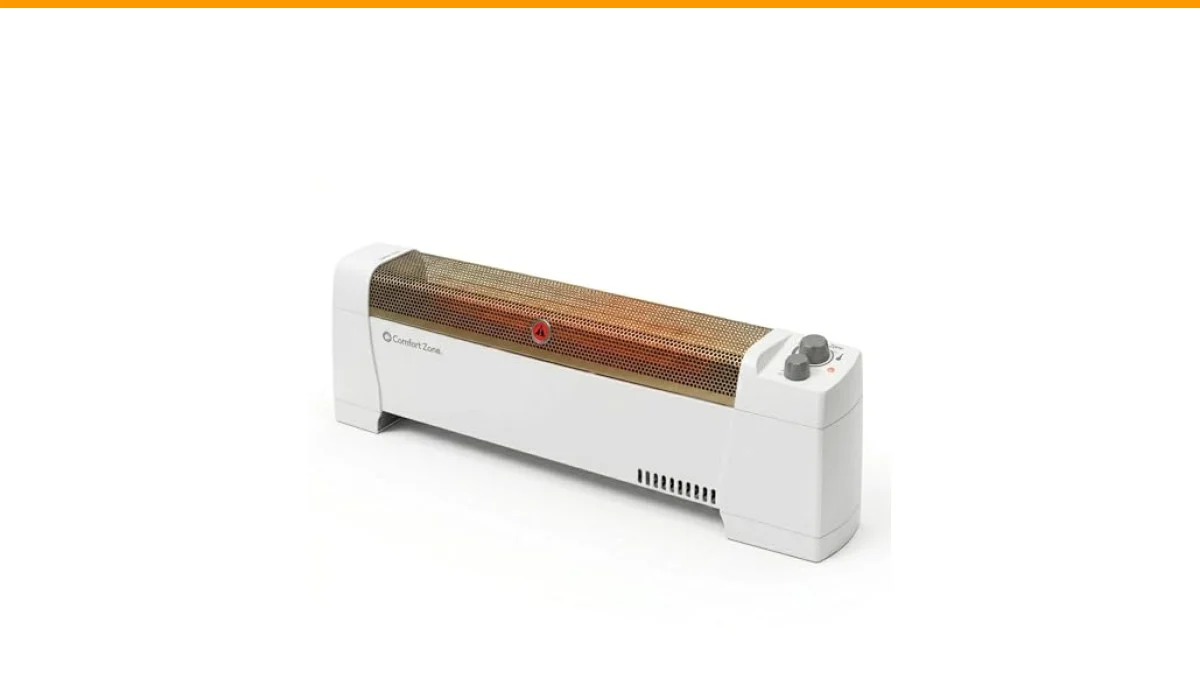
COMFORT ZONE
COMFORT ZONE Convection Baseboard Space Heater with Manual Thermostat | Convection baseboard heater with 2 heat settings and a manual adjustable thermostat knob for easy temperature control.
- EFFICIENT AND VERSATILE HEATING: Designed for medium-sized rooms, this 1500 Watt convection baseboard heater delivers powerful per…
- SAFETY AT ITS BEST: Rest easy knowing that this heater prioritizes your safety. It is equipped with an advanced safety system, inc…
- WHISPER-QUIET OPERATION: Experience undisturbed tranquility in your space with this electric baseboard heater's silent operation.…
For instance, the Comfort Zone Electric Baseboard Space Heater is an example of an electric option that offers adjustable settings and safety features, making it ideal for medium-sized rooms.
Understanding Electric Baseboard Heaters
Electric baseboard heaters operate by converting electrical energy into heat. They are typically installed along the baseboards of a room, providing a consistent source of warmth. Here are some key features:
- Efficiency: Electric baseboard heaters convert nearly all of the electrical energy they consume into heat, achieving close to 100% efficiency. However, they can be more expensive to operate compared to other heating systems, especially in areas with high electricity rates.
- Installation: These heaters are generally easier and less expensive to install than hydronic systems. They require only a power source and can be mounted directly on the wall.
- Control: Most electric baseboard heaters come with built-in thermostats, allowing for precise temperature control. Some models can be integrated with smart home systems.
Understanding Hydronic Baseboard Heaters
Hydronic baseboard heaters use hot water to generate heat. Water is heated in a boiler and then circulated through pipes to the baseboard units. This system provides a different heating experience:
- Efficiency: Hydronic systems can offer significant energy savings, particularly if powered by natural gas or renewable energy sources. They typically have lower operational costs compared to electric systems, especially in colder climates.
- Installation: The installation process is more complex and costly than electric systems. It involves plumbing and requires a boiler, making it less suitable for DIY projects.
- Heat Quality: Hydronic heaters provide a more consistent and comfortable warmth. The hot water circulates slowly, creating a steady temperature without the drafts often associated with electric heaters.
Key Differences Between Electric and Hydronic Baseboard Heaters
| Feature | Electric Baseboard Heaters | Hydronic Baseboard Heaters |
|---|---|---|
| Heating Method | Electrical resistance | Hot water circulation |
| Installation Cost | Lower, less complex | Higher, requires plumbing |
| Operating Efficiency | Close to 100% | Higher efficiency with gas |
| Heat Distribution | Quick heat, potential drafts | Even and consistent warmth |
| Control Options | Built-in or smart thermostats | Thermostatic control with boiler |
| Maintenance | Low maintenance | Requires boiler maintenance |
Energy Efficiency and Environmental Impact
When comparing electric baseboard vs hydronic baseboard systems, energy efficiency plays a significant role. Electric baseboard heaters are nearly 100% efficient in converting electricity into heat. However, the source of that electricity matters. If it’s generated from fossil fuels, the environmental impact is significant.
On the other hand, hydronic systems can be more environmentally friendly, especially if they use natural gas, solar heating, or biomass as energy sources. They can also save you money in the long run due to lower operating costs.
Installation Costs and Requirements
Electric baseboard heaters tend to have lower installation costs. Since they require only electrical connections, they can be installed quickly and with minimal disruption. A standard electric baseboard heater might cost between $300 to $500, including installation.
Hydronic systems require a boiler and extensive plumbing, making their installation costs significantly higher, generally in the range of $3,000 to $5,000 or more. This includes the costs for the boiler, piping, and baseboard units. The complexity of installation often means hiring professionals, which adds to the expense.
Maintenance and Lifespan Comparison
Electric baseboard heaters are known for their low maintenance requirements. They don’t have moving parts or complex systems that can break down, making them reliable. With proper care, they can last over 20 years.
Hydronic systems, while efficient, require regular maintenance. The boiler needs servicing, and leaks in pipes can occur over time, which can lead to costly repairs. Typically, a well-maintained hydronic system can last 15 to 25 years.
Comfort and Heat Quality Analysis
Comfort is subjective, but many people find hydronic heating to be superior due to its ability to provide even warmth. The heat radiates evenly throughout the room, reducing cold spots. In contrast, electric heaters can create uneven temperatures, especially if not properly zoned.
Additionally, hydronic systems tend to maintain humidity levels better than electric heaters, which can dry out the air. If you suffer from allergies or respiratory issues, this might be a significant consideration.
Safety Considerations for Baseboard Heaters
Both electric and hydronic baseboard heaters are generally safe when installed and maintained correctly. Electric heaters can pose a fire risk if not properly monitored; thus, features like overheat protection and tip-over switches are vital. The Comfort Zone Electric Baseboard Heater includes safety features like an overheat protection sensor and a tip-over switch.
Hydronic systems, while less likely to cause fires, can face issues like leaks or water damage if not maintained. Regular inspections can mitigate these risks.
User Experiences: Testimonials and Case Studies
User experiences with electric and hydronic baseboard heaters vary. Some users prefer electric systems for their straightforward installation and immediate heat. For instance, one homeowner noted that their electric heater was easy to install and heated their small room effectively.
Conversely, others praise hydronic systems for their comfort. A family living in a colder climate shared that their hydronic heating system kept their home warm without the harsh dryness often associated with electric heating. They appreciated the consistent warmth throughout the day.
Smart Home Compatibility and Zoning Options
Smart home integration is becoming increasingly important. Electric baseboard heaters can easily be fitted with smart thermostats, allowing for remote control and scheduling. This feature is particularly useful for energy savings.
Hydronic systems can also be equipped with smart controls, but the complexity of the system can make integration more challenging. Zoning options are available for both systems, letting you control the temperature in different rooms. This can lead to significant energy savings by heating only the areas in use.
Final Thoughts on Choosing the Right Baseboard Heater
- Electric baseboard heaters offer ease of installation and low maintenance.
- Hydronic baseboard heaters provide comfort and energy savings, especially in colder climates.
- Consider installation costs and potential future maintenance when choosing.
- Evaluate your energy sources and their environmental impact.
- Think about comfort and heat quality, especially if you have specific health needs.
Frequently Asked Questions
What is the lifespan of electric and hydronic baseboard heaters?
Electric baseboard heaters can last over 20 years with proper care, while hydronic systems typically last 15 to 25 years.
Are electric baseboard heaters safe?
Yes, electric baseboard heaters are generally safe when installed correctly. Features like overheat protection are important for maintaining safety.
Can I install electric baseboard heaters myself?
Yes, electric baseboard heaters are easier to install and can often be a DIY project. However, it’s essential to ensure all electrical connections are safe and up to code.
What are the operating costs of electric vs hydronic baseboard heaters?
Electric heaters can be more expensive to operate, especially in areas with high electricity rates. Hydronic systems, particularly those powered by natural gas, often have lower operating costs.
Do hydronic heaters require a lot of maintenance?
Yes, hydronic systems need regular maintenance, particularly for the boiler and pipes to prevent leaks and ensure efficiency.