Electric Heaters vs Oil-Filled Heaters [In-Depth Comparison]Watch on YouTube
Introduction to Ceramic and Halogen Heaters
As winter approaches, many of us face the challenge of keeping our homes warm without running up high energy bills. Choosing the right heater can make a significant difference in both comfort and costs. Among the most popular options are ceramic and halogen heaters. Both come with unique features that cater to different needs and preferences.
This article will provide a comprehensive comparison between halogen and ceramic heaters. You’ll learn about their respective benefits, drawbacks, energy efficiency, safety features, and ideal use cases. By the end, you’ll have a clearer understanding of which heater suits your lifestyle.

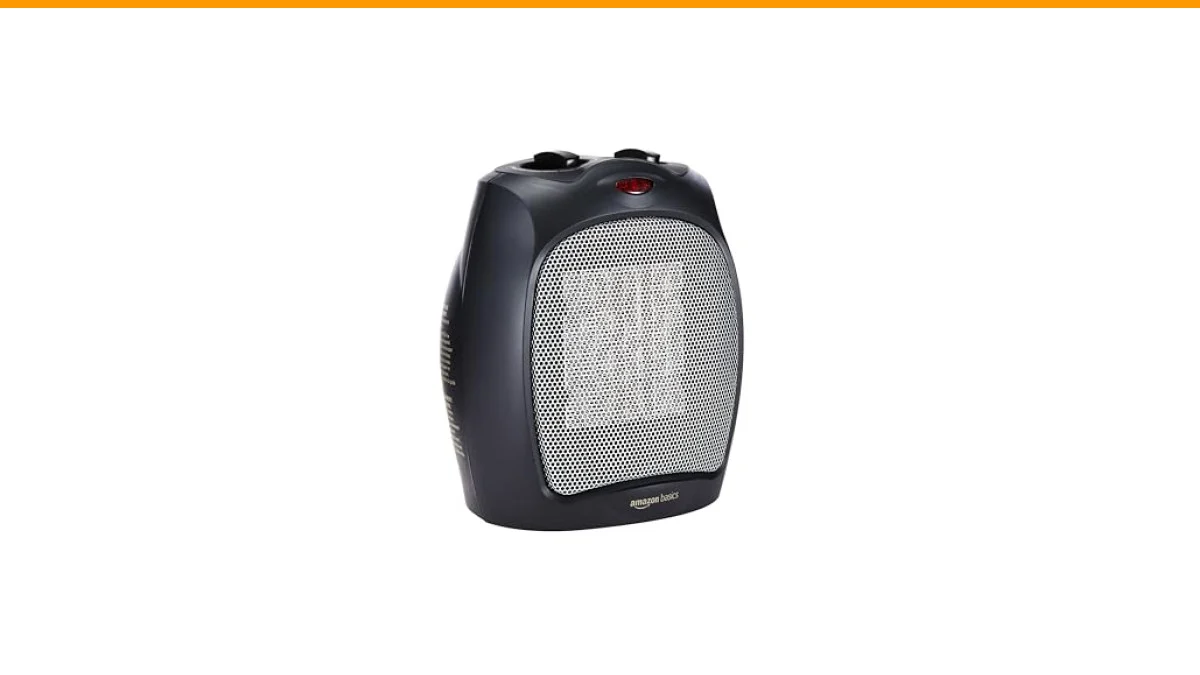
Amazon Basics
Amazon Basics Ceramic Space Heater, Portable Indoor Heating Solution, With Overheat and Tip-Over Protection, Thermostat, Non-Oscillating, 1500W, 7.52"D x 6.34"W x 9.45"H, Black
- CUSTOMIZABLE HEATING OPTIONS: Choose from three settings to suit your needs - High (1500W), Low (900W), or Fan Only for air circul…
- COMPACT & PORTABLE: Weighing just 3 lbs and sized at 7.5“L x 6.3”W x 9.5“H, this space heater is easy to move and perfect for your…
- Built-in Tip-Over Protection, Overheat Protection, and a Power Indicator Light for safe operation.
For instance, consider the Amazon Basics Ceramic Space Heater. This compact and portable heater offers customizable heating options and essential safety features, making it a solid choice for indoor heating.
Key Differences Between Ceramic and Halogen Heaters
At first glance, ceramic and halogen heaters may appear similar, but they operate on different principles and have distinct characteristics.
- Heating Method: Ceramic heaters use a ceramic heating element. When electricity passes through the ceramic, it heats up and warms the surrounding air. Halogen heaters, in contrast, use halogen bulbs to emit infrared heat, directly warming objects and people in their path.
- Heat Output: Ceramic heaters typically provide a more gradual and consistent heat output, while halogen heaters deliver instant warmth.
- Energy Efficiency: Ceramic heaters often operate at lower wattages and can be more energy-efficient over extended periods. Halogen heaters, while quick to heat, can consume more power if used continuously.
- Safety Features: Both types of heaters have safety features, but ceramic heaters tend to include more comprehensive protections against overheating and tipping.
Energy Efficiency and Running Costs
Understanding energy consumption is vital when choosing a heater. Ceramic heaters generally consume between 750 to 1500 watts, while halogen heaters range from 400 to 1500 watts, depending on the model.
Consider a scenario where you run a 1500-watt ceramic heater for 8 hours a day. This would cost approximately $1.20 per day (based on an average energy cost of $0.15 per kWh). In contrast, a 1500-watt halogen heater running for the same duration could cost around $1.20 as well, but since halogen units heat up faster, they may require less operational time.
Over time, ceramic heaters may provide better long-term savings due to their efficiency and lower operational costs, making them a worthwhile investment for consistent use.
Safety Features and Considerations
Safety is a significant concern when it comes to heaters. Ceramic heaters often come equipped with features like tip-over protection and overheat shut-off mechanisms. These features prevent accidents, especially in homes with pets or young children.
Halogen heaters, while also safe, primarily focused on the immediate heat output. They can become quite hot to the touch, which may pose a burn risk if approached too closely. Therefore, it’s crucial to ensure they are placed in safe areas away from flammable materials.
Noise Levels: Which Heater is Quieter?
Noise levels can impact comfort, especially in quiet environments. Ceramic heaters typically operate at around 43 dB, similar to a library’s ambient noise. Halogen heaters, however, usually operate silently since they don’t have a fan, creating a peaceful atmosphere for relaxation or sleep.
Portability and Convenience
Both heater types offer portability, but their designs may influence convenience. Ceramic heaters, like the Amazon Basics model, are lightweight and compact, making them easy to move around. Their size allows for use in multiple rooms or even in office spaces.
Halogen heaters can also be portable, but many models are bulkier due to their design. If you frequently change locations or need a heater for different rooms, a ceramic heater may be the better choice.
Maintenance and Lifespan Comparison
Maintenance is crucial for longevity. Ceramic heaters require minimal upkeep, mainly regular dusting and cleaning of the heating element. Typically, they can last several years with consistent use. On the other hand, halogen heaters may require bulb replacement, which adds to the maintenance cost over time. While halogen bulbs can last 2026 hours or longer, replacements can be inconvenient.
Ideal Use Cases for Each Heater Type
Choosing the right heater depends largely on your specific needs:
- Ceramic Heaters: Ideal for small to medium-sized rooms, they provide consistent and comfortable warmth over longer periods. They are perfect for use in homes or offices, particularly in settings where safety features are essential.
- Halogen Heaters: Best suited for quick heating in larger spaces or outdoor environments. Their instant heat output is advantageous when immediate warmth is needed, such as in garages or patios.
User Experiences and Testimonials
User experiences vary widely, but trends emerge. Many users appreciate ceramic heaters for their quiet operation and safety features. For example, someone using the Amazon Basics Ceramic Space Heater noted its effectiveness in their home office, providing warmth without excessive noise.
Conversely, halogen heater users often praise their ability to heat an area quickly. One user highlighted how a halogen heater kept their patio warm during a chilly evening gathering. However, some expressed concerns about the heat intensity and the risk of burns if touched.
Frequently Asked Questions
1. Which is more energy-efficient, a ceramic or halogen heater?
Ceramic heaters are generally more energy-efficient for extended use, consuming less power over time compared to halogen heaters.
2. Can I use a ceramic heater in a bathroom?
No, ceramic heaters should not be used in humid environments like bathrooms. They are designed for dry indoor spaces.
3. How fast do halogen heaters heat up?
Halogen heaters provide instant heat, warming up a space within seconds, making them ideal for quick heating needs.
4. Are ceramic heaters safe to leave unattended?
Yes, ceramic heaters with tip-over and overheat protection can be left unattended, but it’s always best to monitor them periodically.
5. How long can I run a halogen heater continuously?
Halogen heaters can run continuously, but it’s advisable to take breaks to allow the unit to cool down and prolong its lifespan.
Choosing the Right Heater for Your Needs
Ultimately, selecting between a halogen and ceramic heater boils down to personal preferences and specific heating requirements. Consider your space, how often you’ll use the heater, and any safety needs you might have.
- For quiet, consistent heating, a ceramic heater is ideal.
- If you need quick warmth for larger areas, a halogen heater might be better.
- Evaluate energy costs based on your usage patterns.
- Prioritize safety features that align with your living situation.
- Test user experiences and recommendations to inform your decision.