 Water Heater Lifespan: How Long Do They Last?Watch on YouTube
Introduction to Electric Heater Lifespan
Winter can be harsh, and when the cold hits, a reliable electric heater becomes essential. You might find yourself relying on it more than you anticipated. Whether it’s a chilly evening or a particularly frosty morning, knowing how long your heater will last is crucial for planning your heating needs and budget. Understanding the lifespan of electric heaters can help you make informed decisions about maintenance, repairs, or even replacement.
This article will guide you through the average lifespan of various types of electric heaters, factors influencing their longevity, maintenance practices, and when you should consider replacing your unit. You’ll also find specific insights into the DREO Space Heater, which is designed for efficient indoor use.

DREO
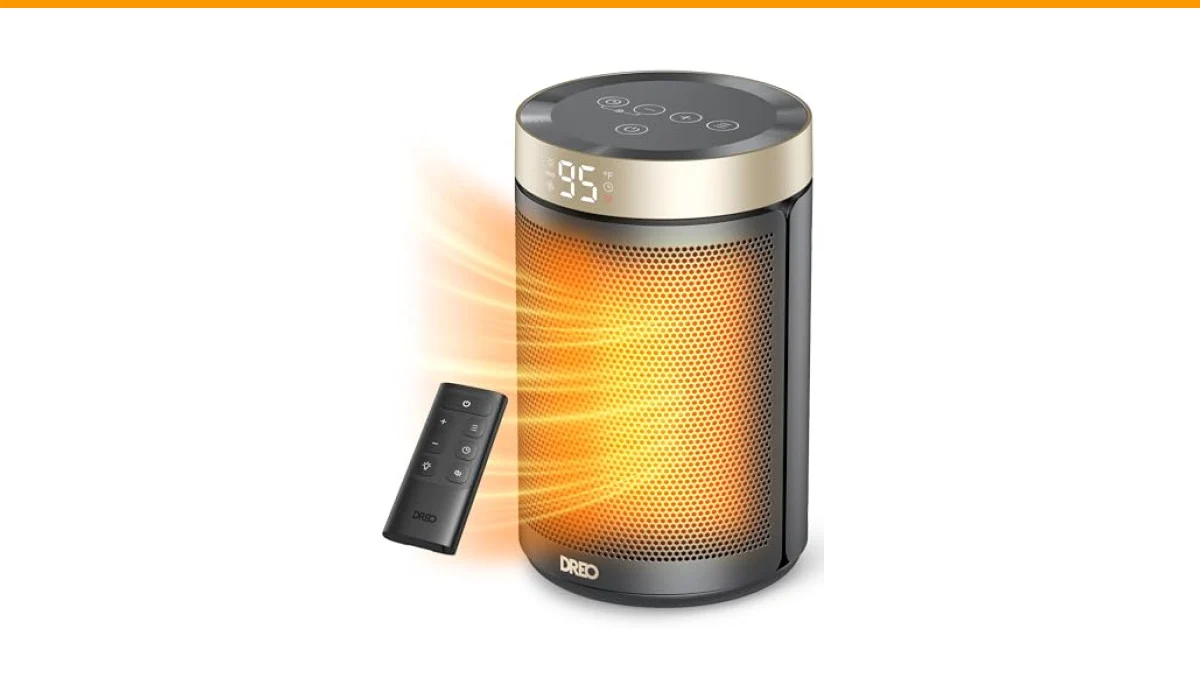
DREO Space Heater, Portable Electric Heaters for Indoor Use with Thermostat | 2026 Upgraded, 34dB Quiet, 12H Timer, 5 Mode, Remote, 1500W PTC Ceramic Fast Safety Heat for Office Bedroom Home, Gold
- Powerful heat that fits everywhere: DREO space heaters for indoor combines Hyperamics 1500W advanced PTC system with a new heat fu…
- Unbreakable safety:DREO goes beyond the unexpected to deliver peace of mind with every room heater. The innovative tilt-detection…
- Ultimate temperature control: The enhanced NTC chipset brings more precision to turn your space heater with thermostat into a smar…
The DREO Space Heater provides a robust heating solution for indoor spaces. Its advanced PTC system heats up quickly, while the safety features ensure peace of mind. This model can offer an excellent example of how modern technology impacts heater lifespan.
Average Lifespan of Electric Heaters by Type
Different types of electric heaters come with varying lifespans based on their design and usage. Here’s a breakdown of common types:
Convection Heaters
Convection heaters typically last between 10 to 20 years. These heaters operate by heating the air around them and circulating warm air throughout a space. They’re efficient for larger areas, making them popular in homes and offices. However, frequent use or exposure to dust can lead to performance issues over time.
Radiant Heaters
Radiant heaters have a shorter lifespan, usually lasting around 5 to 10 years. They work by emitting infrared radiation, directly warming objects and people in their vicinity. While they heat up quickly, their components can wear out faster due to the intense heat they generate.
Fan-Forced Heaters
Fan-forced heaters generally last around 8 to 20 years, depending on usage and maintenance. These heaters use a fan to blow heated air into the room, providing quicker warmth. Regular cleaning of the fan and filters can significantly extend their lifespan.
Infrared Heaters
Infrared heaters can last between 10 to 25 years. Their longevity comes from fewer moving parts and lower operational temperatures compared to fan-forced or radiant heaters. They are ideal for quick heating of specific areas.
The table below summarizes the average lifespans of these types:
| Heater Type | Average Lifespan |
|---|---|
| Convection Heaters | 10 to 20 years |
| Radiant Heaters | 5 to 10 years |
| Fan-Forced Heaters | 8 to 20 years |
| Infrared Heaters | 10 to 25 years |
Factors Influencing Heater Lifespan
Understanding the factors that influence the lifespan of electric heaters can help you maximize their efficiency and longevity.
Usage Patterns
How often and how long you use your heater significantly affects its lifespan. Continuous operation in extreme conditions can lead to faster wear and tear. For example, a heater used daily in a frigid climate may not last as long as one used sparingly in a milder environment.
Maintenance Practices
Regular maintenance plays a vital role in extending a heater’s life. Dust buildup can block airflow and reduce efficiency. Keeping the unit clean and following the manufacturer’s maintenance guidelines can prevent many common issues.
Environmental Conditions
The environment where the heater operates can impact its durability. High humidity or dusty conditions can lead to corrosion and inefficiency. Placing heaters in ventilated areas can mitigate some of these effects.
Warning Signs Your Heater Needs Replacement
Recognizing when your heater is nearing the end of its life is crucial. Here are some warning signs:
- Increased electricity bills without a change in usage.
- Frequent repairs or malfunctions.
- Uneven heating or frequent cycling on and off.
- Unusual noises or smells coming from the unit.
- Age exceeding the average lifespan for its type.
Maintenance Tips to Extend Heater Life
Implementing a few simple maintenance strategies can help prolong your heater’s life.
Regular Cleaning
Keep the heater clean by dusting and vacuuming it periodically. Pay special attention to filters and vents, as clogged components can hinder performance.
Seasonal Inspections
Conduct a thorough inspection at the beginning of each heating season. Check for signs of wear, loose connections, or any unusual noises. Addressing small issues early can prevent larger problems later.
Professional Servicing
Consider scheduling annual professional servicing, especially for larger or more complex units. A technician can identify potential problems and ensure everything operates safely.
Repair vs. Replace: Making the Right Choice
Deciding whether to repair or replace your heater can be challenging. Generally, if repairs exceed 50% of the cost of a new unit, replacement is often more economical. Additionally, consider the age and efficiency of your current unit. Older models may be significantly less efficient than newer technologies, so investing in a new heater might save you money in the long run.
Final Thoughts and Actions to Consider
- Understand the lifespan of your heater type to plan for future needs.
- Regular maintenance can significantly extend your heater’s life.
- Monitor for signs of inefficiency or malfunctioning.
- Assess your usage patterns to determine if your heater meets your needs.
- Consider modern units like the DREO Space Heater for improved efficiency and safety features.
- Evaluate the cost of repairs versus replacement carefully.
- Invest in professional servicing for complex units to ensure safety and longevity.

