Imagine a tenant calling you in the middle of winter, desperate for heat because their electric heater has failed. As a landlord, ensuring your properties are equipped with safe and efficient heating systems is not just a matter of comfort; it’s a legal responsibility. Understanding electric heater rules for landlords can help prevent emergencies and maintain good tenant relationships. This article provides essential guidelines, best practices, and insights into choosing the right electric heater for your rental properties.
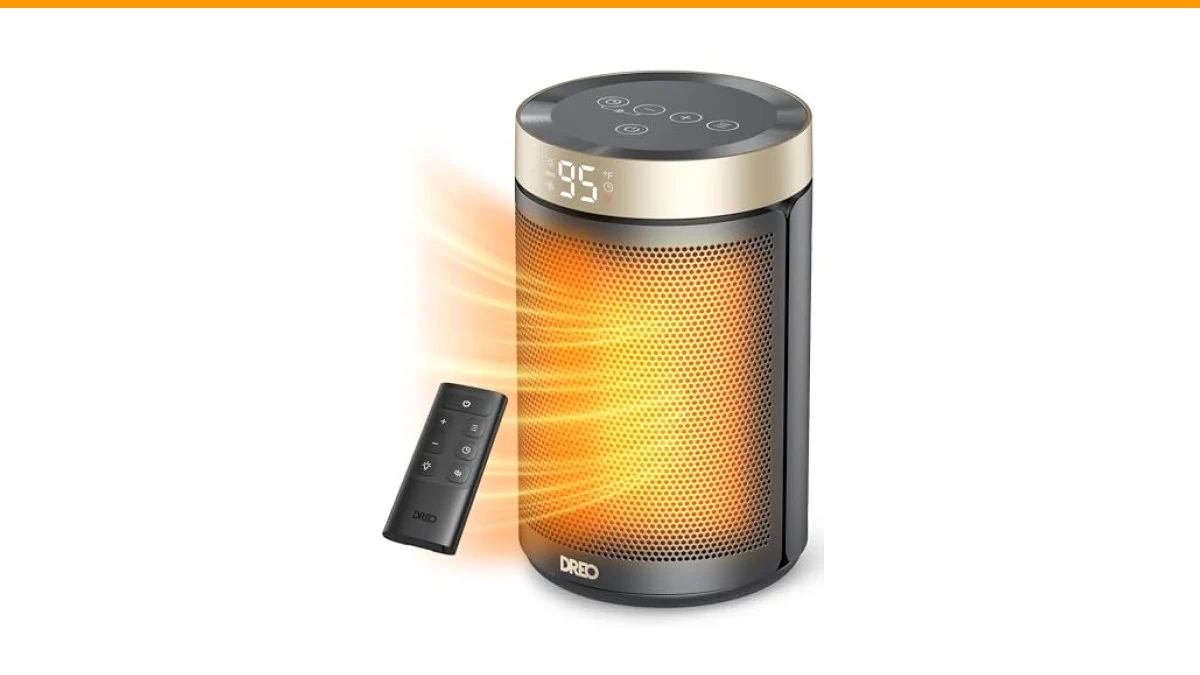
For instance, consider the DREO Space Heater. This portable electric heater combines impressive features with safety mechanisms, making it a reliable choice for indoor use. With its powerful heating capabilities and smart thermostat, it provides warmth while being energy-efficient, which is vital for any rental unit.
 tankless electric heater installed. #diyWatch on YouTube
Understanding Electric Heater Safety Regulations
When it comes to electric heaters, safety should always be a priority. Different regions might have varying regulations, but there are common standards landlords should follow:
- Certification: Ensure all heaters are certified by recognized safety organizations, such as ETL or UL. This certification indicates that the heater meets specific safety standards.
- Installation: Heaters must be installed according to manufacturer guidelines. This often includes ensuring adequate clearance from combustible materials like curtains or furniture.
- Maintenance: Regularly inspect heaters to check for signs of wear, damage, or malfunction. Keeping a maintenance log can help track when heaters were last serviced.
Ignoring these regulations can result in fines or, worse, liability if an accident occurs due to negligence.
Choosing the Right Electric Heater for Your Property
Not all electric heaters are created equal. Landlords should consider the following factors when selecting heaters for their properties:
- Heating Capacity: Choose heaters based on the square footage of the room. A heater with 1500W capacity typically heats a space of about 150 square feet.
- Type of Heater: Decide between convection heaters, which warm the air, and radiant heaters, which provide direct heat. Each type has its benefits depending on the layout of the space.
- Energy Efficiency: Opt for heaters with programmable thermostats and energy-saving modes. This not only cuts down on electric bills but also appeals to eco-conscious tenants.
For example, the DREO Space Heater mentioned earlier features a thermostat and multiple heating modes, making it suitable for various needs while being energy efficient.
Tenant Responsibilities in Using Electric Heaters
While landlords must provide safe heating options, tenants also have responsibilities. Clear communication can help avoid misunderstandings:
- Proper Use: Tenants should be instructed on how to operate the heater safely, including never covering it and keeping it away from flammable materials.
- Reporting Issues: Encourage tenants to report any signs of malfunction immediately. Early detection can prevent larger issues.
- Maintenance: If a heater requires maintenance, it should be the landlord’s responsibility unless otherwise specified in the lease agreement.
Setting clear expectations helps maintain a good relationship and ensures that the heating system functions effectively.
Comparing Electric Heater Options for Landlords
| Heater Type | Heating Method | Energy Efficiency | Price Range |
|---|---|---|---|
| Convection Heater | Heats air | Moderate | $50 – $200 |
| Radiant Heater | Direct heat | High | $30 – $150 |
| Oil-Filled Radiator | Stores heat | Very High | $80 – $250 |
| Fan-Forced Heater | Blows heated air | Moderate | $40 – $180 |
What are landlord responsibilities regarding electric heaters?
Landlords must ensure that all electric heaters are safe, properly maintained, and compliant with local regulations. Providing tenants with clear instructions on heater use is also crucial.
How can landlords ensure electric heaters are energy efficient?
Select heaters with programmable thermostats and energy-saving features. Regular maintenance and inspections can also help keep the units running efficiently.
What should tenants do if an electric heater is not working?
Tenants should report any issues to the landlord immediately. Avoid trying to fix the heater themselves, as this could lead to safety hazards.
Are there specific regulations for electric heaters per state?
Yes, regulations can vary by state and even local jurisdictions. Landlords should familiarize themselves with local building codes and safety regulations concerning electric heating.
What is the typical lifespan of an electric heater?
Generally, electric heaters can last between 10 to 20 years, depending on usage and maintenance. Regular inspections can extend their lifespan.
Final Thoughts on Electric Heater Rules for Landlords
- Prioritize safety with certified heaters.
- Choose the right type of heater based on room size and tenant needs.
- Communicate clearly with tenants about their responsibilities.
- Regularly maintain and inspect all heating units.
- Stay informed about local regulations regarding electric heaters.
- Consider energy-efficient models to reduce costs.
- Document all maintenance and tenant communications for future reference.
Understanding and adhering to electric heater rules for landlords not only ensures compliance but also fosters a safe and comfortable living environment for tenants. With these guidelines, landlords can navigate the complexities of heating their rental properties effectively.

