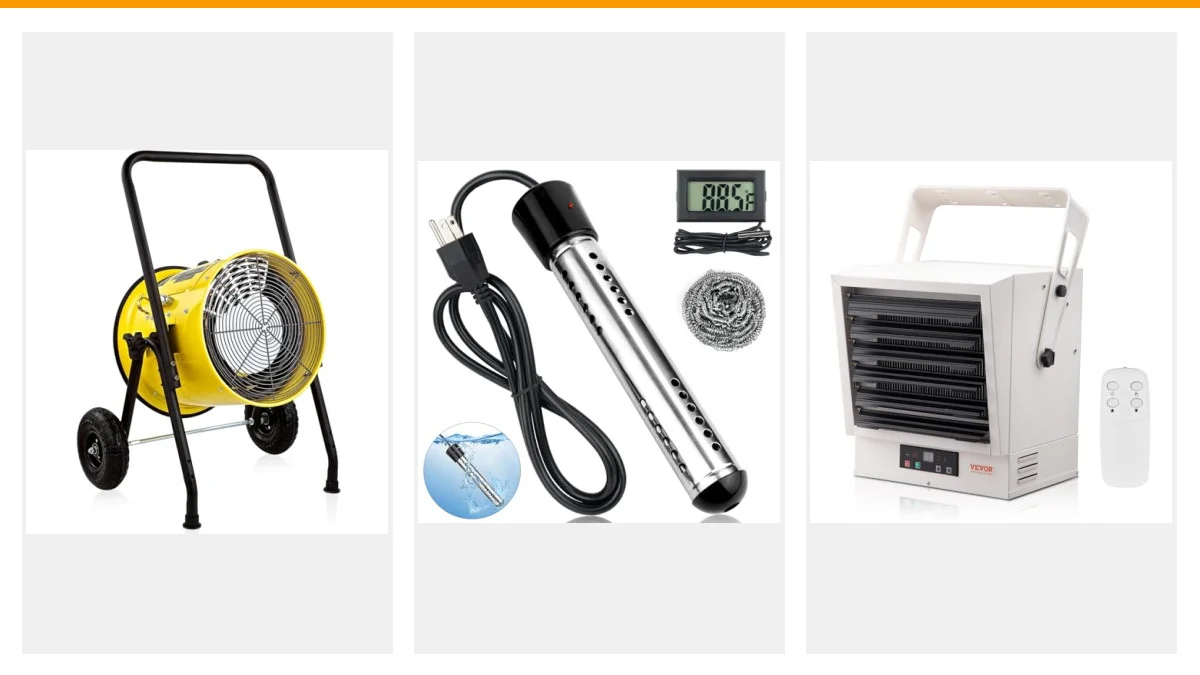
Many homeowners find their basements chilly, especially during the winter months. Imagine coming home after a long day, only to find your basement too cold to enjoy. Electric heaters can be a quick solution, but they come with safety concerns that must be taken seriously. This guide helps you navigate electric heater safety in a basement, ensuring warmth without compromising safety.
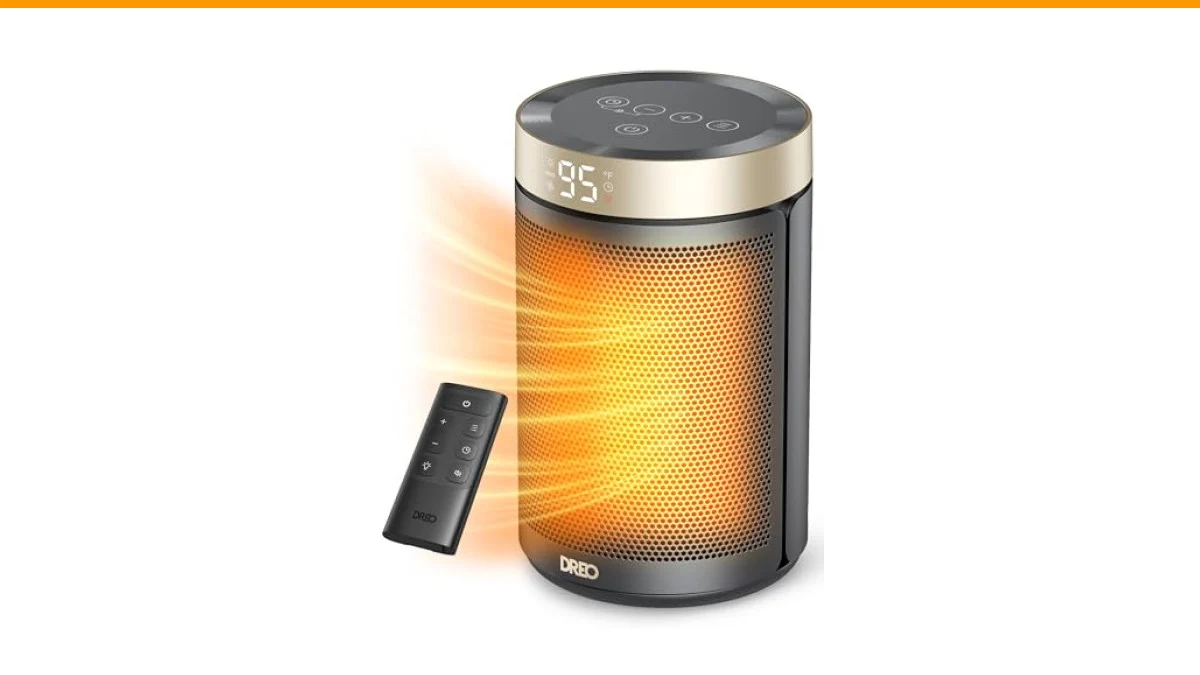
When selecting an electric heater, safety features should be a priority. For example, the DREO Space Heater offers a variety of safety features, including a tilt-detection sensor and overheat protection. These features provide peace of mind when heating your space.

DREO
DREO Space Heater, Portable Electric Heaters for Indoor Use with Thermostat | 2026 Upgraded, 34dB Quiet, 12H Timer, 5 Mode, Remote, 1500W PTC Ceramic Fast Safety Heat for Office Bedroom Home, Gold
- Powerful heat that fits everywhere: DREO space heaters for indoor combines Hyperamics 1500W advanced PTC system with a new heat fu…
- Unbreakable safety:DREO goes beyond the unexpected to deliver peace of mind with every room heater. The innovative tilt-detection…
- Ultimate temperature control: The enhanced NTC chipset brings more precision to turn your space heater with thermostat into a smar…
Understanding Electric Heater Risks
Electric heaters are convenient but can pose risks if not used correctly. Common hazards include:
- Overheating: This can lead to fires if the heater is left on for too long or placed too close to flammable materials.
- Tip-overs: Heaters can easily tip over, especially in a cluttered basement.
- Electrical issues: Faulty wiring or using an extension cord can cause short circuits or electrical fires.
Understanding these risks is the first step in ensuring safe use.
Best Practices for Safe Heater Placement
Where you place the heater is crucial for safety. Keep these guidelines in mind:
- Maintain at least three feet of clearance around the heater. This distance helps prevent overheating.
- Avoid placing heaters on carpets or near curtains. Use a flat, stable surface.
- Do not use extension cords. Always plug the heater directly into a wall outlet.
Following these placement tips can significantly reduce safety risks.
Monitoring and Maintenance
Regular checks can prevent issues before they arise. Consider these monitoring tips:
- Check the heater regularly for dust and debris. A clean unit operates more efficiently and safely.
- Inspect the cord for fraying or damage. Replace any faulty cords immediately.
- Never leave the heater unattended. Always turn it off when leaving the basement.
Proactive maintenance keeps your electric heater safe and effective.
Heating Alternatives and Their Safety
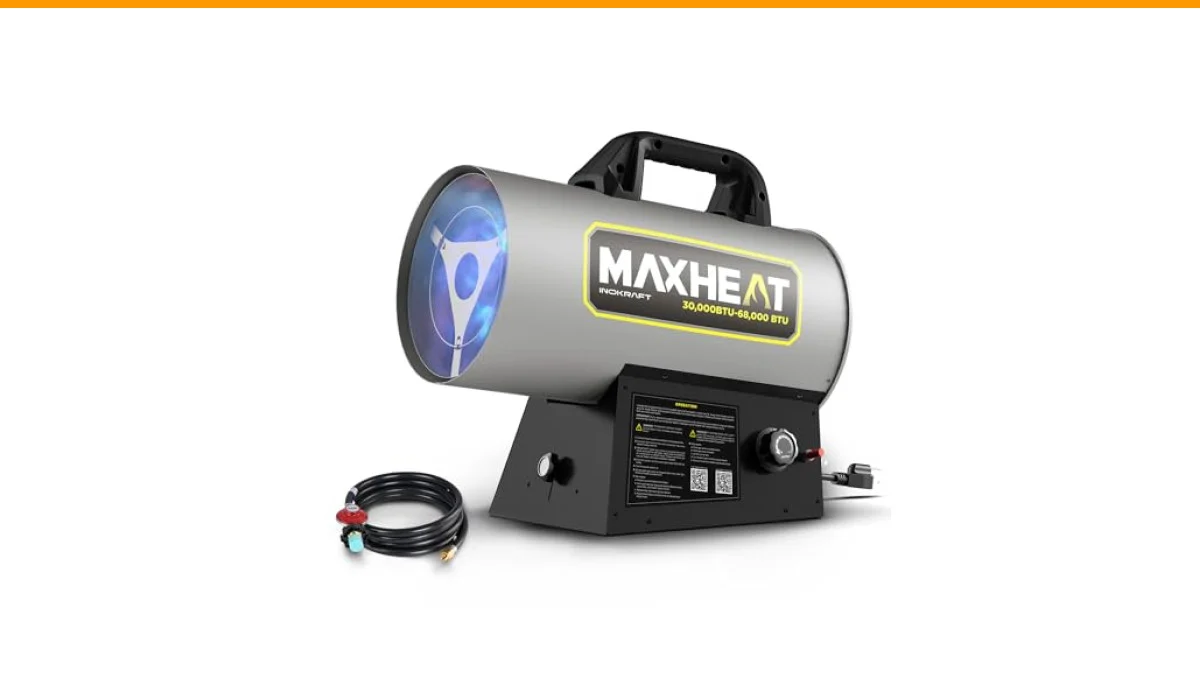
If electric heaters aren’t an option, consider alternatives like propane or natural gas heaters. However, these come with their own set of safety challenges, such as ventilation requirements. Here’s a quick comparison of heating methods:
| Heating Method | Safety Features | Installation Requirements |
|---|---|---|
| Electric Heater | Overheat protection, tip-over switch | Plug into a wall outlet |
| Propane Heater | Automatic shutoff, ventilation needed | Requires proper installation and exhaust |
| Natural Gas Heater | Flame sensors, proper ventilation | Professional installation needed |
Choosing the right method involves weighing safety against your heating needs.
What should I look for in a safe electric heater?
Look for features like tip-over protection, overheat shutoff, and flame-retardant materials. The DREO Space Heater is a solid example of a safe option for basement use.
Can I leave my electric heater on all night?
It’s not advisable to leave heaters unattended for extended periods, especially overnight. Always turn it off when you leave the room.
How do I prevent my heater from tipping over?
Ensure the heater is on a stable, flat surface and away from high-traffic areas. Consider wall mounting if possible.
Are there specific heaters for basements?
Yes, some heaters are designed for basements and unfinished spaces, focusing on safety and efficiency. Look for models specifically rated for such environments.
What are the signs of a faulty electric heater?
If you notice unusual smells, flickering lights, or the heater not turning on, these could indicate a problem. Stop using it immediately and check for issues.
Final Safety Tips
- Choose heaters with safety certifications.
- Keep heaters away from water sources.
- Educate family members about heater safety.
- Use a smoke detector in the basement.
- Consider a timer to manage heater operation.
- Regularly check that smoke alarms are functional.
- Consider energy-efficient models to save on costs.
Using electric heaters in a basement can be safe and effective if you follow established precautions. The right product combined with careful monitoring will keep your space warm and secure.