 Heat Pump Vs. Furnace - Which is BETTER?Watch on YouTube
Introduction to Heating Systems
Winter can be brutal, and the need for effective heating solutions is paramount. For many homeowners, choosing between an electric heater and a heat pump can be a daunting decision. Both systems have their merits, but understanding their costs and efficiencies is crucial for informed decision-making.
This article delves into the intricacies of electric heater vs heat pump cost, including installation, maintenance, and energy efficiency. By the end, you’ll have a clear understanding of which option suits your needs and budget.

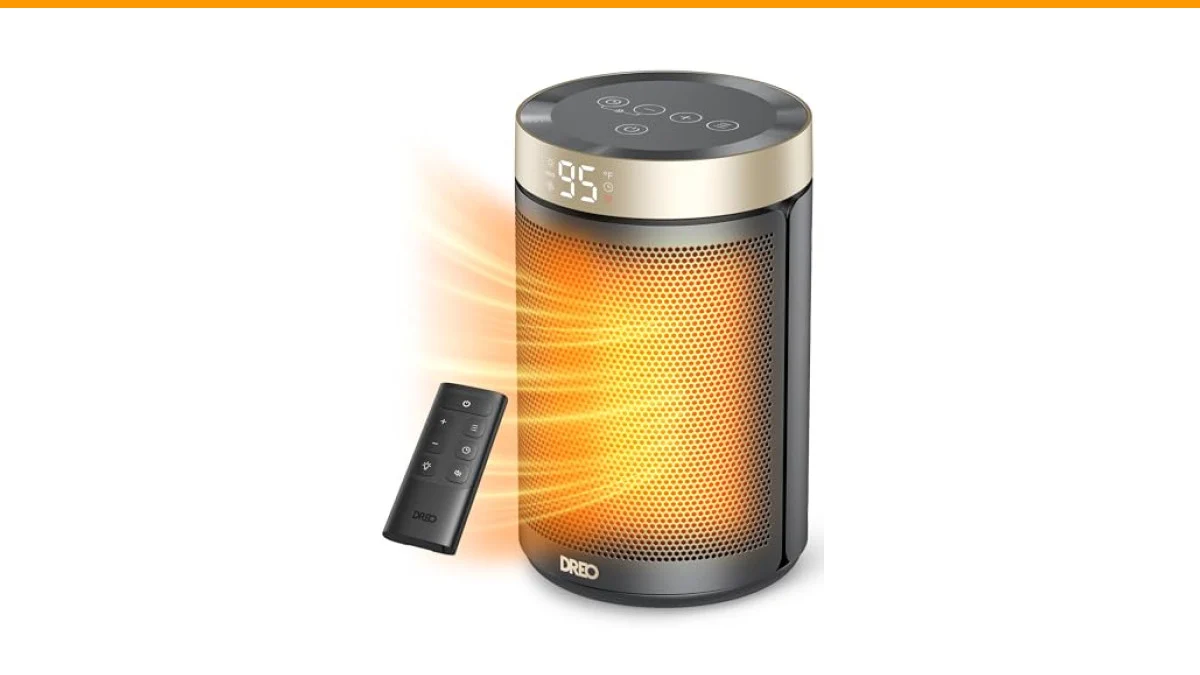
DREO
DREO Space Heater, Portable Electric Heaters for Indoor Use with Thermostat | 2026 Upgraded, 34dB Quiet, 12H Timer, 5 Mode, Remote, 1500W PTC Ceramic Fast Safety Heat for Office Bedroom Home, Gold
- Powerful heat that fits everywhere: DREO space heaters for indoor combines Hyperamics 1500W advanced PTC system with a new heat fu…
- Unbreakable safety:DREO goes beyond the unexpected to deliver peace of mind with every room heater. The innovative tilt-detection…
- Ultimate temperature control: The enhanced NTC chipset brings more precision to turn your space heater with thermostat into a smar…
If you’re considering a portable solution, the DREO Space Heater offers a compact and efficient way to heat smaller spaces. Its advanced features, including a thermostat and quiet operation, make it a valuable addition to your heating arsenal.
Understanding Heat Pumps
Heat pumps are versatile systems that transfer heat from one place to another. They can both heat and cool spaces by extracting heat from the air, ground, or water. Their efficiency comes from their ability to move heat instead of generating it, making them a popular choice in moderate climates.
Heat pumps are rated using the Heating Seasonal Performance Factor (HSPF), which measures their efficiency during the heating season. A higher HSPF indicates better energy efficiency. For instance, a heat pump with an HSPF of 8.5 uses significantly less energy than one rated at 6.0.
Understanding Electric Heaters
Electric heaters are straightforward devices that convert electrical energy into heat. They come in various forms, such as baseboard heaters, ceramic heaters, and infrared heaters. These systems are generally easier to install and require less maintenance, making them appealing for quick heating solutions.
Electric heaters usually have a simple energy efficiency rating based on wattage. They typically operate at about 100% efficiency, meaning all electrical energy is converted to heat. However, their operating costs can be higher, especially in colder climates where they may need to run continuously.
Cost Comparison: Heat Pump vs Electric Heater
The initial cost of purchasing and installing heating systems varies significantly. Generally, heat pumps have a higher upfront cost compared to electric heaters. However, they can offer lower operating costs over time.
| Cost Element | Electric Heater | Heat Pump |
|---|---|---|
| Upfront Cost | $100 – $500 | $2,000 – $5,000 |
| Installation Cost | $100 – $300 | $1,500 – $3,000 |
| Annual Operating Cost | $500 – $1,200 | $300 – $600 |
| Maintenance Cost (Annual) | $50 – $100 | $100 – $300 |
Installation Costs: What to Expect
Installation costs can vary widely based on location and system type. Electric heaters, being simpler devices, usually don’t require professional installation, which lowers initial expenses. They can often be plugged into existing outlets.
In contrast, heat pumps generally require professional installation, involving complex ductwork or ground loops. This can substantially increase installation costs, especially for geothermal heat pumps.
Maintenance and Lifespan of Each System
Electric heaters are low-maintenance. Regular dusting and occasional inspections are usually sufficient. They can last between 10 to 20 years, depending on the model and usage.
Heat pumps, on the other hand, require more attention. They need annual inspections and maintenance to ensure optimal performance. While they can last 15 to 25 years, neglecting maintenance can shorten their lifespan and efficiency.
Energy Efficiency and Operating Costs
Energy efficiency plays a pivotal role in the total cost of ownership for heating systems. Electric heaters, while efficient, can become costly in terms of energy bills, especially in areas with higher electricity rates.
Heat pumps are generally more energy-efficient. They can produce three units of heat for every unit of electricity consumed, depending on their efficiency rating. This can lead to significant savings over the years, especially in moderate climates.
Performance in Different Climates
Performance varies based on the climate. Electric heaters excel in extreme cold, providing immediate warmth. However, they can be inefficient for prolonged use in colder climates due to high energy costs.
Heat pumps perform well in moderate climates. In colder areas, their efficiency can drop, especially if the temperature falls below freezing. Some models include backup heating sources to compensate for this, but that can add to operational costs.
Environmental Impact and Sustainability
Environmental considerations are increasingly influencing heating system choices. Electric heaters rely on electricity that may come from fossil fuels, impacting their overall environmental footprint.
Heat pumps are often more environmentally friendly, especially if paired with renewable energy sources. Their ability to transfer heat instead of generating it means they use less energy overall, contributing to lower carbon emissions.
Real-World Case Studies
Case studies provide valuable insights into the practical implications of these heating systems. For instance, a family in a moderate climate found that switching from an electric heater to a heat pump reduced their heating bills by nearly 40% over three years. Conversely, a household in a colder region experienced higher costs with a heat pump due to its decreased efficiency in freezing temperatures.
Another case study highlighted a small business using electric heaters. They found that while installation costs were low, their monthly energy expenses were significantly higher compared to a business that installed a heat pump system, leading to a better return on investment in the long run.
Considerations for Your Heating Solution
- Evaluate your climate: Determine which system fits your local conditions best.
- Calculate total costs: Look beyond upfront costs to include long-term operational and maintenance expenses.
- Assess your needs: Consider how often and how much you will use the heating system.
- Explore incentives: Check for local energy efficiency programs that may offer rebates for installing heat pumps.
- Think about environmental impact: Assess how your heating choice aligns with your sustainability goals.
FAQs about Electric Heater vs Heat Pump Cost
1. Which heating system is more cost-effective?
Cost-effectiveness depends on your local energy rates and climate. Heat pumps can provide lower operating costs in moderate climates, while electric heaters may be more cost-effective in extreme cold.
2. How long does it take to install each system?
Electric heaters can often be set up in a few hours, while heat pumps may take a day or more, especially for installations requiring ductwork.
3. Do electric heaters use a lot of energy?
Electric heaters can consume a significant amount of energy, particularly in colder months, leading to higher utility bills.
4. Can heat pumps work in very cold climates?
Heat pumps can struggle in temperatures below freezing, but modern units often include backup heating options to maintain efficiency.
5. Are there any government incentives for heat pumps?
Many regions offer rebates or tax credits for installing energy-efficient systems like heat pumps. Checking local programs can yield savings.
Final Thoughts on Your Heating Choice
- Evaluate your local climate and energy costs.
- Consider both upfront and long-term costs of each system.
- Assess installation requirements and maintenance needs.
- Explore energy efficiency ratings and their impact on costs.
- Look into local incentives for heat pump installation.
- Factor in environmental concerns and sustainability goals.
- Make an informed decision based on your specific heating needs.