An Introduction to Heating Options
When the temperature drops, many people face the dilemma of how to keep their spaces warm without breaking the bank. Choosing between an electric or gas space heater is a common consideration. Each option comes with its own set of benefits and drawbacks, and understanding these differences can help you make a more informed choice.
This article will break down the key factors involved in the electric vs gas space heater debate. You’ll learn about efficiency, safety, costs, and more. By the end, you’ll have a clearer idea of which type of heater is best suited to your needs.

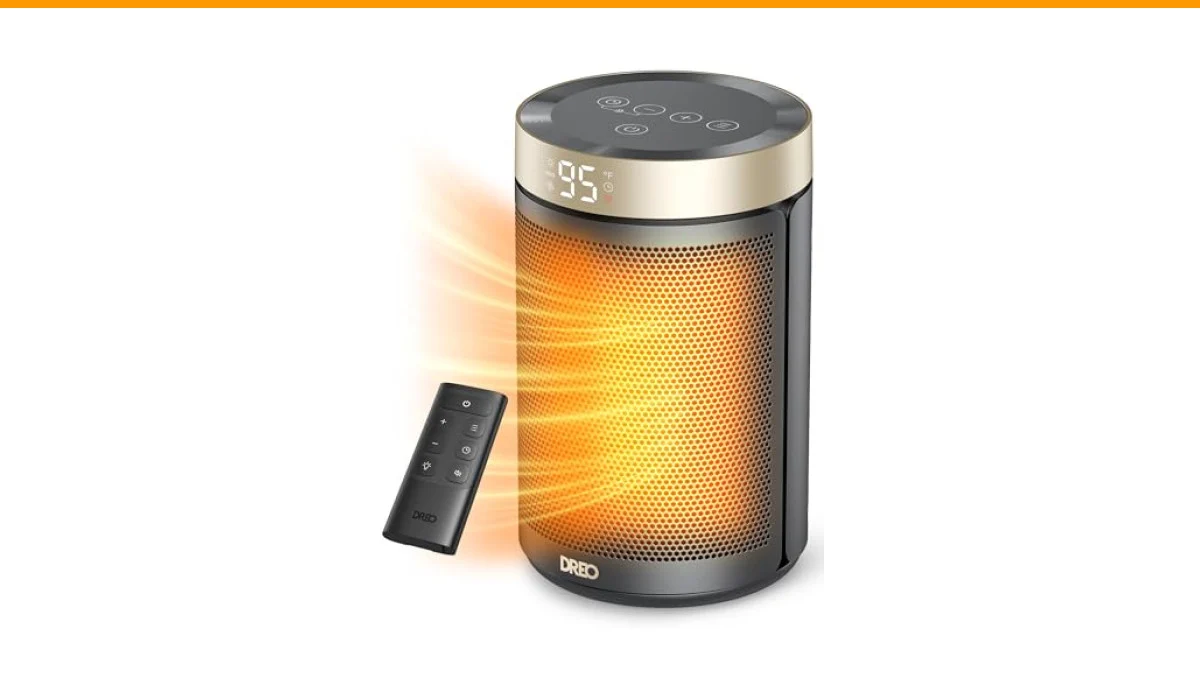
DREO
DREO Space Heater, Portable Electric Heaters for Indoor Use with Thermostat | 2026 Upgraded, 34dB Quiet, 12H Timer, 5 Mode, Remote, 1500W PTC Ceramic Fast Safety Heat for Office Bedroom Home, Gold
- Powerful heat that fits everywhere: DREO space heaters for indoor combines Hyperamics 1500W advanced PTC system with a new heat fu…
- Unbreakable safety:DREO goes beyond the unexpected to deliver peace of mind with every room heater. The innovative tilt-detection…
- Ultimate temperature control: The enhanced NTC chipset brings more precision to turn your space heater with thermostat into a smar…
For those seeking an efficient electric option, the DREO Space Heater offers powerful heating capabilities in a compact design. It features advanced safety features and precise temperature control, making it an excellent choice for indoor use.
Understanding Electric Space Heaters
Electric space heaters convert electricity into heat, which is then distributed into the room. They come in various types, including fan-forced, radiant, and oil-filled models. Here are some essential aspects to consider:
- Energy Efficiency: Electric heaters typically have an efficiency rating close to 100%. They convert nearly all the electricity they consume into heat.
- Installation: Electric heaters are generally easier to install. They require a standard electrical outlet, making them ideal for renters or temporary setups.
- Operating Costs: The cost of electricity can vary significantly based on your location. In some areas, electric heating may be more expensive than gas.
- Safety: Modern electric heaters often come with safety features like tip-over protection and overheat shut-off systems.
Exploring Gas Space Heaters
Gas space heaters, on the other hand, use natural gas or propane as their fuel source. They can provide substantial heat and often operate more efficiently in larger spaces. Here’s what you should know:
- Energy Efficiency: Gas heaters can be less efficient than electric models, with efficiency ratings ranging from 70% to 95%. However, they can heat larger areas more effectively.
- Fuel Source: Gas heaters require a connection to a gas line or a propane tank, which can complicate installation and limit portability.
- Operating Costs: Natural gas prices tend to be lower than electricity rates in many regions, potentially saving you money on heating bills.
- Ventilation: Gas heaters require proper ventilation to prevent the buildup of harmful gases like carbon monoxide.
Common Misconceptions: Electric vs Gas Space Heaters
Myth: Electric Heaters Are Always More Expensive to Operate
Many people assume electric heaters are more costly to run than gas heaters. While it’s true that electricity can be pricier than gas in some areas, this isn’t universally applicable. It’s essential to calculate your local rates and consider the heater’s efficiency. In some cases, electric heaters can be more cost-effective.
Myth: All Electric Heaters Are Safe
Not all electric heaters are created equal in terms of safety. While many modern units come with advanced safety features, older models may lack these protections. Always look for certifications and safety ratings when choosing an electric heater.
Comparative Overview of Electric and Gas Space Heaters
| Feature | Electric Space Heaters | Gas Space Heaters |
|---|---|---|
| Energy Efficiency | ~100% | 70%-95% |
| Installation | Easy, plug-and-play | Requires gas line or tank |
| Operating Costs | Can be high depending on electricity rates | Generally lower if gas prices are favorable |
| Portability | Highly portable | Less portable |
| Safety | Modern safety features available | Requires ventilation to avoid gas buildup |
Frequently Asked Questions
1. Which type of heater is more efficient for a small room?
For small rooms, electric space heaters often provide sufficient heat and can be more efficient. Their ability to quickly warm up a space with minimal installation makes them a popular choice.
2. Can gas heaters be used indoors?
Gas heaters can be used indoors if they are vented properly. Unvented gas heaters should only be used in well-ventilated spaces to avoid carbon monoxide buildup.
3. What safety features should I look for in an electric heater?
Look for models with tip-over protection, overheat shut-off, and certifications from safety organizations like ETL or UL.
4. How do I calculate the cost of operating a space heater?
To calculate costs, multiply the heater’s wattage by the number of hours used, and then divide by 1,000 to convert to kilowatt-hours. Multiply that by your local electricity rate.
5. Are gas heaters more powerful than electric heaters?
Gas heaters can often produce more heat than electric heaters, especially in larger spaces. However, electric heaters can still provide adequate warmth for small to medium rooms.
Final Thoughts on Your Heating Choice
- Consider room size and insulation when choosing a heater.
- Evaluate energy costs in your area to determine the most economical option.
- Prioritize safety features, especially with electric heaters.
- Understand the installation requirements for gas heaters.
- Explore products like the DREO Space Heater for efficient heating solutions.
- Weigh the portability of electric heaters against the power of gas models.
- Always follow manufacturer guidelines for safe operation.



