Imagine it’s a chilly winter evening. You’re settling in at home, and the temperature is dropping fast. You want a reliable heater that warms your space efficiently without breaking the bank. As you search for options, you come across propane and kerosene heaters. Which one should you choose? This guide will help you understand the differences, advantages, and limitations of each type, so you can make an informed decision.
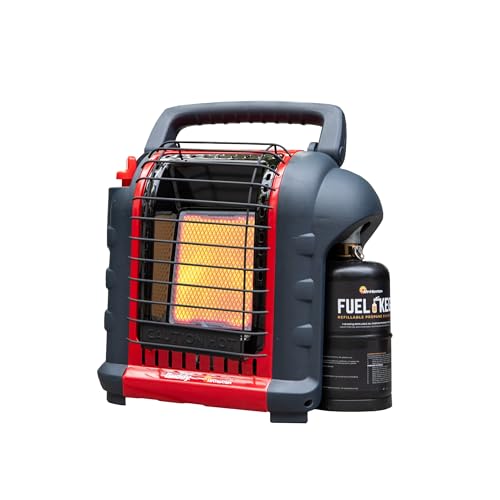
As you weigh your options, consider the Mr. Heater 9,000 BTU Portable Buddy Radiant Propane Heater. This model is designed for both indoor and outdoor use and provides efficient heating with safety features built in. It’s a solid choice for anyone considering a propane heater.

Understanding Propane Heaters
Propane heaters use propane gas as fuel, which is stored in tanks and can be easily refilled. This type of heater generally produces radiant heat, meaning it warms objects and people directly rather than heating the air. Propane heaters are typically portable and can be used in various settings, from garages to outdoor gatherings.
For example, a propane heater like the Mr. Heater Portable Buddy can emit either 4,000 or 9,000 BTU/hr, making it suitable for spaces up to 225 square feet. The low oxygen safety system is a crucial feature that automatically shuts off the heater if oxygen levels drop too low.
Exploring Kerosene Heaters
Kerosene heaters operate on kerosene fuel, which is stored in tanks. These heaters can either be vented or unvented. Vented kerosene heaters are designed for indoor use and expel exhaust outside, while unvented models are often used for outdoor settings. Kerosene heaters produce convective heat, warming the air in the room.
Efficiency can vary. Many kerosene heaters provide between 5,000 to 23,000 BTUs, making them effective for larger spaces. However, they often require regular maintenance to ensure proper combustion and efficiency.
Key Differences Between Propane and Kerosene Heaters
When deciding between a propane and kerosene heater, consider these essential differences:
| Feature | Propane Heater | Kerosene Heater |
|---|---|---|
| Fuel Type | Propane gas | Kerosene liquid |
| Heat Output | 4,000 to 9,000 BTU/hr (or higher) | 5,000 to 23,000 BTU/hr |
| Portability | Highly portable | Less portable |
| Efficiency | Generally more efficient | Varies; can require maintenance |
| Safety Features | Low oxygen shutoff | Requires proper ventilation |
Common Questions About Propane and Kerosene Heaters
1. Are propane heaters safe for indoor use?
Yes, many propane heaters are designed specifically for indoor use and include safety features like low oxygen shutoff. Always follow the manufacturer’s guidelines and ensure proper ventilation.
2. How do I maintain a kerosene heater?
Regular maintenance includes cleaning the fuel filter, checking for leaks, and ensuring proper combustion. Follow the manufacturer’s instructions for specific maintenance tasks.
3. Which heater is more cost-effective to operate?
Operating costs can vary based on fuel prices and efficiency. Generally, propane heaters can be more cost-effective due to higher efficiency and lower maintenance needs.
4. Can I use a propane heater outdoors?
Absolutely. Many propane heaters, like the Mr. Heater model, are designed for both indoor and outdoor use, making them versatile options for heating in various settings.
5. Is kerosene more difficult to store than propane?
Kerosene requires more careful storage due to its liquid form and potential to spill. Propane is stored in pressurized tanks but typically requires less maintenance.
Final Thoughts on Choosing Your Heater
- Consider your heating needs: space size, indoor or outdoor use.
- Assess safety features and maintenance requirements.
- Compare fuel availability and costs in your area.
- Look for models with good efficiency ratings.
- Always prioritize safety in your heating choice.
- Portable options like the Mr. Heater Portable Buddy are great for versatility.
- Evaluate how often you’ll need to refill or maintain your heater.
Making an informed choice between a propane and kerosene heater involves weighing their pros and cons. Each has unique features that cater to different heating needs. Choose wisely to keep your space warm and comfortable.