 Ceramic vs Infrared Heater [Which One’s Better & WHY]Watch on YouTube
Introduction to Ceramic and Halogen Heaters
As winter approaches, many people find themselves in search of efficient heating solutions to combat the chill in their homes. With options like halogen and ceramic heaters readily available, it can be tough to decide which one best fits your needs. Both types of heaters offer unique benefits and drawbacks, making it essential to understand their key differences before making a purchase.
This article will provide a thorough comparison of halogen and ceramic heaters, focusing on their efficiency, safety features, noise levels, portability, and ideal use cases. By the end, you’ll have a clearer idea of which heater is right for your situation.

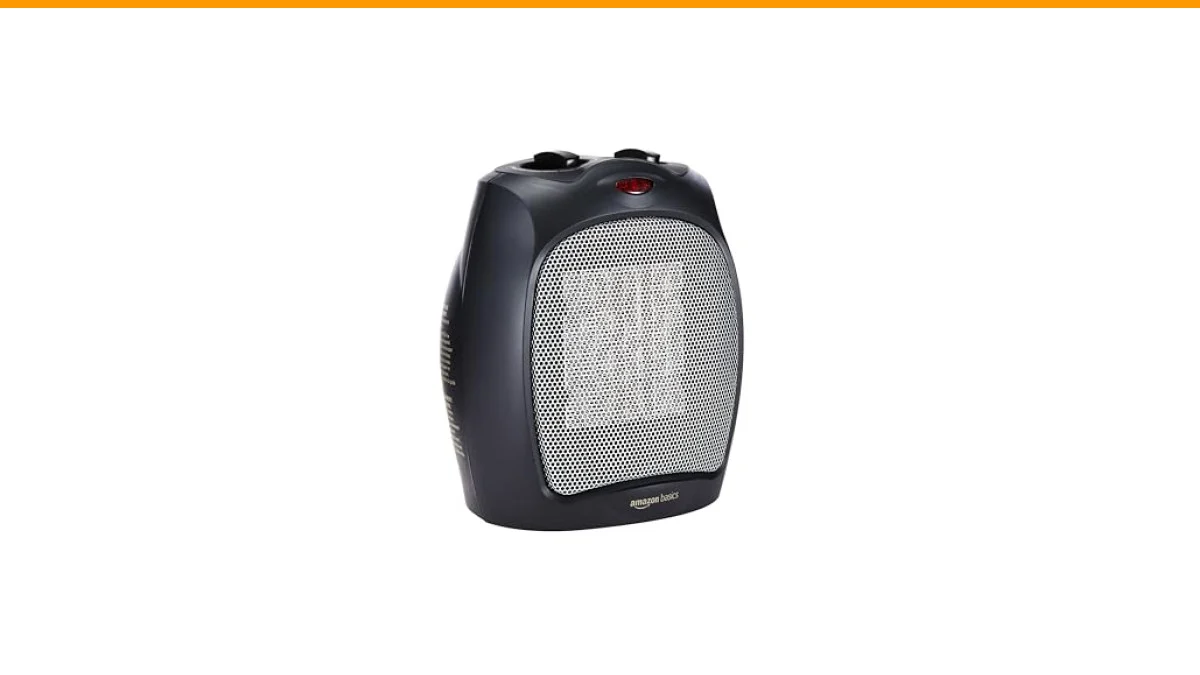
Amazon Basics
Amazon Basics Ceramic Space Heater, Portable Indoor Heating Solution, With Overheat and Tip-Over Protection, Thermostat, Non-Oscillating, 1500W, 7.52"D x 6.34"W x 9.45"H, Black
- CUSTOMIZABLE HEATING OPTIONS: Choose from three settings to suit your needs - High (1500W), Low (900W), or Fan Only for air circul…
- COMPACT & PORTABLE: Weighing just 3 lbs and sized at 7.5“L x 6.3”W x 9.5“H, this space heater is easy to move and perfect for your…
- Built-in Tip-Over Protection, Overheat Protection, and a Power Indicator Light for safe operation.
For instance, consider the Amazon Basics Ceramic Space Heater, a portable indoor heating solution that offers customizable heating options and essential safety features. It’s a practical choice for many households looking for quick warmth without compromising safety.
Key Differences Between Ceramic and Halogen Heaters
Understanding the key differences between halogen and ceramic heaters is essential for making an informed decision. Here are the primary distinctions:
- Heating Technology: Halogen heaters use infrared technology to emit heat directly to objects and people in the room. Ceramic heaters utilize ceramic plates that heat air, distributing warmth through convection.
- Heating Speed: Halogen heaters typically warm up faster, providing immediate warmth, while ceramic heaters take a bit longer to heat the surrounding air.
- Energy Efficiency: Ceramic heaters often consume less energy in the long run due to their ability to maintain warmth longer, while halogen heaters can be more energy-intensive for continuous use.
- Noise Levels: Halogen heaters usually operate silently, while ceramic heaters may produce a low hum from their internal fans.
Energy Efficiency and Running Costs
Energy efficiency is a critical factor to consider when choosing between halogen and ceramic heaters. Halogen heaters generally have a higher wattage, meaning they can consume more electricity, especially if used for extended periods. For example, a typical halogen heater might use around 1500 watts, while a ceramic heater can have settings of 1500 watts, 900 watts, or even a fan-only option.
To illustrate the cost differences, consider using a 1500-watt halogen heater for 5 hours daily. This could result in approximately 7.5 kWh of energy per day. At an average electricity rate of $0.13 per kWh, this translates to about $0.98 per day. In contrast, using a ceramic heater on its low setting (900 watts) for the same duration would use about 4.5 kWh, costing around $0.59 per day.
Safety Features and Considerations
Safety is paramount when it comes to heating solutions. Both halogen and ceramic heaters come with safety features, but they differ in implementation. Halogen heaters often feature:
- Tip-over protection
- Overheating protection
Ceramic heaters, like the Amazon Basics model mentioned earlier, also include:
- Tip-over protection
- Overheat protection
- Power indicator lights
These features help prevent accidents and ensure safe operation, making both types of heaters suitable for home use. However, halogen heaters can become quite hot to the touch, which may pose a risk if placed near flammable objects.
Noise Levels: Which Heater is Quieter?
Noise levels can play a significant role in choosing the right heater for your environment. Halogen heaters are generally quieter since they do not have fans to circulate air. In contrast, ceramic heaters may produce a soft hum due to their fan operation. For example, the Amazon Basics Ceramic Space Heater operates at around 43 dB, which is relatively quiet but still noticeable in a silent room.
If you are sensitive to noise or plan to use a heater in a bedroom, a halogen heater might be preferable. However, if you value quicker air circulation, a ceramic heater could be the better choice.
Portability and Convenience
When it comes to portability, both heater types have their advantages. Ceramic heaters, like the Amazon Basics model, are often compact and lightweight, making them easy to move from room to room. With dimensions of 7.5″L x 6.3″W x 9.5″H and weighing only 3 lbs, they can fit into tight spaces and are convenient for home or office use.
Halogen heaters are also available in portable designs, but they may vary in weight and size. Some users prefer the compact nature of ceramic heaters for easy storage and transport. Consider where and how you plan to use your heater when assessing portability.
Maintenance and Lifespan Comparison
Maintenance is another important aspect of heater ownership. Ceramic heaters generally require less upkeep. They usually just need occasional dusting to keep air passages clear. Halogen heaters, on the other hand, may require replacement bulbs over time, which can add to maintenance costs.
The lifespan of both types of heaters can vary by brand and usage. Ceramic heaters typically last around 5-10 years, while halogen heaters may last around 2-5 years due to the bulb replacement requirement. Knowing these factors can help you budget for long-term heating needs.
Ideal Use Cases for Each Heater Type
Choosing the right heater depends on your specific needs. Here are some ideal use cases for each type:
- Halogen Heaters: Great for quick, targeted heating in small spaces, such as a home office or bathroom. They provide immediate warmth and are suitable for outdoor use in covered areas.
- Ceramic Heaters: Best for larger spaces or prolonged use in living rooms and bedrooms. Their ability to maintain heat and lower running costs make them ideal for all-day heating.
User Experiences and Testimonials
User experiences can vary widely based on individual needs and preferences. Some users appreciate the rapid heating capabilities of halogen heaters, especially in drafty rooms. For instance, one user noted that their halogen heater warmed their sunroom within minutes, making it perfect for quick gatherings.
On the other hand, many users of ceramic heaters highlight their energy efficiency and safety features. One customer remarked that they love how their ceramic heater maintains warmth throughout the night without excessive energy costs. These real-life experiences can help guide your decision based on what matters most to you.
Frequently Asked Questions
What is the main difference between ceramic and halogen heaters?
The main difference lies in their heating technology. Halogen heaters use infrared technology to heat objects directly, while ceramic heaters heat air through convection.
Which heater is more energy-efficient?
Ceramic heaters tend to be more energy-efficient for prolonged use, as they can maintain warmth longer and have lower wattage settings for operation.
Are halogen heaters safe for indoor use?
Yes, halogen heaters are safe for indoor use when equipped with safety features like tip-over and overheat protection. However, they can become very hot, so keep them away from flammable materials.
Can I use a ceramic heater in a bathroom?
No, ceramic heaters are not recommended for high-moisture environments like bathrooms. It’s essential to follow the manufacturer’s guidelines for safe use.
How do I choose the right heater for my space?
Consider the size of the room, how quickly you need heat, and whether you prefer quiet operation or energy efficiency. Assess your heating needs to select the most suitable option.
Final Thoughts on Heater Selection
- Halogen heaters heat quickly but may consume more energy.
- Ceramic heaters are more energy-efficient for longer use.
- Both types offer essential safety features, but halogen heaters can get very hot.
- Consider noise levels; halogen heaters are quieter than ceramic ones.
- Portability varies; ceramic heaters are generally lighter and easier to move.