Creating a Comfortable Hot Tub Environment
Imagine stepping into your hot tub on a chilly evening, the steam rising as the warmth envelops you. Yet, without the right heating setup, that experience can quickly turn into a disappointment. Properly heating a hot tub room is crucial for comfort and enjoyment, especially during colder months. This guide will walk you through effective strategies to heat your hot tub room efficiently, ensuring you can indulge in relaxation any time of year.
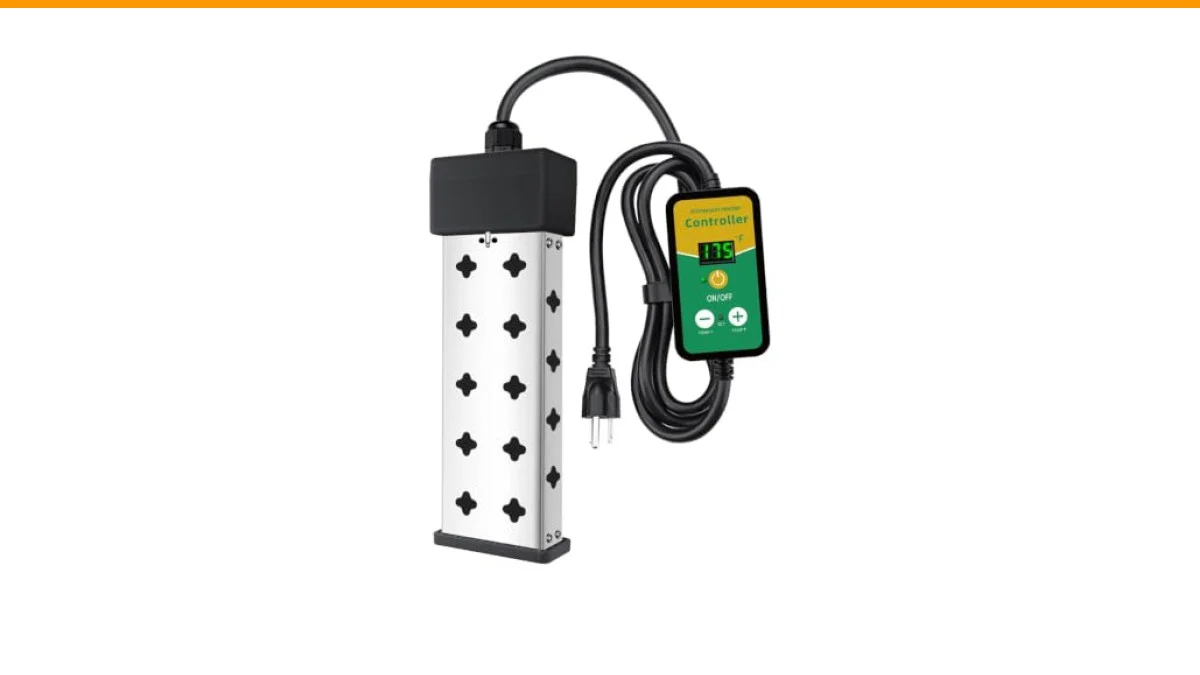
As you consider your options, you might find tools like the Immersion Water Heater with Controller from yoisie useful. This 1800W portable bucket heater offers smart temperature control and safety features, making it an excellent addition to your hot tub heating strategy.
Understanding Heat Loss in Hot Tub Rooms
Before diving into specific heating methods, it’s essential to understand how heat loss occurs in your hot tub room. Several factors contribute to this:
- Insulation: Poor insulation in walls, ceilings, or floors can lead to significant heat loss. The U-value of insulation determines how much heat escapes; lower values indicate better insulation.
- Ventilation: While proper ventilation is necessary to prevent humidity buildup, excessive openings can let warm air escape.
- Humidity Levels: High humidity can lead to condensation, which can cause cooling surfaces and reduce the overall temperature in the room.
Addressing these issues can significantly improve the efficiency of any heating method you choose.
Heating Options for Hot Tub Rooms
There are several effective methods for heating a hot tub room. Each has its pros and cons, depending on factors like space, budget, and personal preferences. Here’s a breakdown of the most common options:
| Heating Method | Efficiency | Installation Cost | Operating Cost |
|---|---|---|---|
| Electric Heater | High | Medium | Medium |
| Gas Heater | Very High | High | Medium |
| Heat Pump | Very High | High | Low |
| Wood Stove | Medium | Low | Variable |
Electric heaters are easy to install and maintain but can increase electricity bills. Gas heaters offer quick heating but involve higher installation costs and require venting. Heat pumps are efficient but can be a significant investment upfront. Wood stoves provide a rustic charm but require more manual labor and regular maintenance.
Insulation and Humidity Control
Effective insulation is vital in any hot tub room. Insulating walls, ceilings, and floors can drastically reduce heat loss. Aim for insulation with an R-value of at least 19 for walls and 30 for ceilings. Additionally, consider using insulated doors and windows to minimize drafts.
Humidity control is equally important. Use a dehumidifier to maintain optimal humidity levels, ideally between 40-60%. This not only enhances comfort but also protects your hot tub and the surrounding structure from potential moisture damage.
Smart Heating Solutions
Investing in smart heating solutions can further enhance your hot tub room experience. The Immersion Water Heater with Controller is one such device. It features smart temperature control and auto shut-off for safety, ensuring consistent heating without constant monitoring. Such devices can provide precise heating, making your hot tub experience more enjoyable.
Frequently Asked Questions
1. How long does it take to heat a hot tub room?
Heating a hot tub room can take anywhere from 30 minutes to several hours, depending on the heating method used and the initial room temperature. Electric heaters typically take longer than gas heaters.
2. What temperature should I set my hot tub?
The ideal temperature for a hot tub ranges from 100°F to 104°F. However, the surrounding room should be comfortably warm, around 70°F to 80°F, for a pleasant experience.
3. Can I use a regular space heater for my hot tub room?
While a space heater can help, it’s not the most efficient or effective solution. Specialized hot tub heaters are designed to handle the specific humidity and heat requirements of such spaces.
4. Is it worth installing a heat pump?
Yes, heat pumps are energy-efficient in the long run. They may have a higher upfront cost, but their lower operating costs can lead to savings over time.
5. What maintenance do I need for my heating system?
Regular maintenance includes checking filters, inspecting for leaks, and ensuring the thermostat works correctly. This keeps your heating system efficient and extends its lifespan.
Final Thoughts for a Cozy Hot Tub Room
- Insulate walls, ceilings, and floors to minimize heat loss.
- Choose a heating method based on your needs and room size.
- Maintain humidity levels between 40-60% for comfort.
- Invest in smart heaters for precise temperature control.
- Perform regular maintenance on your heating system.
- Consider using a dehumidifier to protect your hot tub and room structure.
- Check the current price on Amazon for useful tools like the Immersion Water Heater.



