Imagine stepping into a sauna after a long day. The warmth envelops you, melting away stress and tension. Whether it’s for relaxation or health benefits, heating a sauna room properly is key to a satisfying experience. This article will guide you through various methods of heating a sauna, the equipment needed, and practical tips to ensure your sauna reaches optimal temperatures.
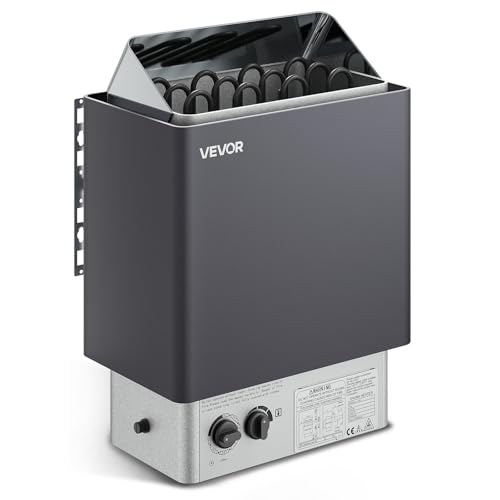
Among the various options available, the VEVOR Sauna Heater stands out. This electric sauna stove is designed for spaces between 176-318 cubic feet and features a powerful 6KW output, making it a reliable choice for home or spa use.
VEVOR
VEVOR Sauna Heater, 6KW 220V Electric Sauna Stove, Steam Bath Sauna Heater with Built-in Controls, 3h Timer and Adjustable Temp for Max. 176-318 Cubic Feet, Home Hotel Spa Shower Use
- Fast Heating: This heater is 220-240V AC, a special voltage. The site conditions need to be evaluated before use. Power: 6KW; Suit…
- Built to Last Construction: The sauna heater features an aluminized zinc shell, ensuring high resistance to corrosion and a long l…
- Adjust the Temp and Time: The home sauna heater features user-friendly mechanical knobs for temperature and time control, providin…
Understanding Sauna Heating Methods
Heating a sauna room can be accomplished through different methods. The most common include electric heaters, wood-burning stoves, and infrared heaters. Each method has its benefits, and understanding them will help you choose the right one for your needs.
Electric Heaters
Electric sauna heaters are the most popular choice for home saunas. They are easy to use and provide consistent temperatures. Most models, like the VEVOR Sauna Heater, can reach temperatures up to 230℉. These heaters typically require a dedicated electrical circuit, and you should ensure your sauna can support the voltage and wattage needed.
Wood-Burning Stoves
Wood-burning stoves provide a traditional sauna experience. They can generate higher temperatures and add a unique aroma to the sauna. However, they require more maintenance and a proper venting system. Additionally, you’ll need to stock up on wood, which can be a hassle for some users.
Infrared Heaters
Infrared heaters work differently by warming objects and bodies directly rather than the air. This method can heat the sauna room faster and is often considered more comfortable. However, infrared saunas typically operate at lower temperatures and may not provide the same experience as traditional saunas.
Choosing the Right Sauna Heater
When selecting a heater for your sauna room, consider the following factors:
- Room Size: Ensure the heater is suitable for the volume of your sauna. The VEVOR heater, for instance, is ideal for rooms between 176-318 cubic feet.
- Temperature Control: Look for models with adjustable temperature settings and timers for convenience.
- Material and Build: Choose heaters made from durable materials to withstand humidity and heat, like the VEVOR’s aluminized zinc shell.
- Installation: Assess whether the heater requires professional installation or if it can be set up by yourself.
Installation Tips for Your Sauna Heater
Proper installation of your sauna heater is vital for safety and efficiency. Here are some tips to keep in mind:
- Follow the instructions provided by the manufacturer closely.
- Ensure your sauna has a proper electrical setup if you choose an electric heater.
- Consider the height at which to mount the heater. For example, it’s recommended to install the VEVOR heater at least 3.5 inches from the floor for optimal heat dissipation.
- Check local building codes to comply with regulations regarding sauna installations.
Comparison of Sauna Heating Options
| Heating Method | Temperature Range | Installation Complexity | Maintenance |
|---|---|---|---|
| Electric Heaters | Up to 230℉ | Moderate | Low |
| Wood-Burning Stoves | Up to 250℉ | High | Moderate |
| Infrared Heaters | Up to 140℉ | Low | Low |
Frequently Asked Questions
1. How long does it take to heat a sauna room?
Heating a sauna room typically takes about 30 to 60 minutes, depending on the heater’s power and the room size. For instance, the VEVOR heater can rapidly bring a sauna to temperature within this timeframe.
2. Can I use regular stones in my sauna heater?
No, using regular stones can be dangerous. Sauna heaters require specific sauna stones that can withstand high heat without cracking. Always refer to your heater’s manual for recommendations.
3. How do I maintain my sauna heater?
Regular maintenance involves cleaning the heater and checking for any signs of wear or damage. Keep the area around the heater clear and ensure proper ventilation to prevent moisture buildup.
4. Is it safe to leave the sauna heater on?
Most sauna heaters, including the VEVOR model, come with timers. It’s best to set the timer and avoid leaving the heater unattended for extended periods.
5. Can I install a sauna heater myself?
Yes, if you have basic electrical knowledge, you can install a sauna heater yourself. However, for safety and compliance with local codes, consider hiring a professional electrician.
Final Thoughts on Heating a Sauna Room
- Choose an appropriate heating method based on your preferences and sauna size.
- Electric heaters are often the easiest option for home use.
- Proper installation is crucial for safety and efficiency.
- Regular maintenance ensures a long lifespan for your heater.
- Follow local codes and guidelines for installation to avoid hazards.
- Take the time to understand the specific needs of your sauna room for optimal performance.
- Consider products like the VEVOR Sauna Heater for a reliable heating solution.



